


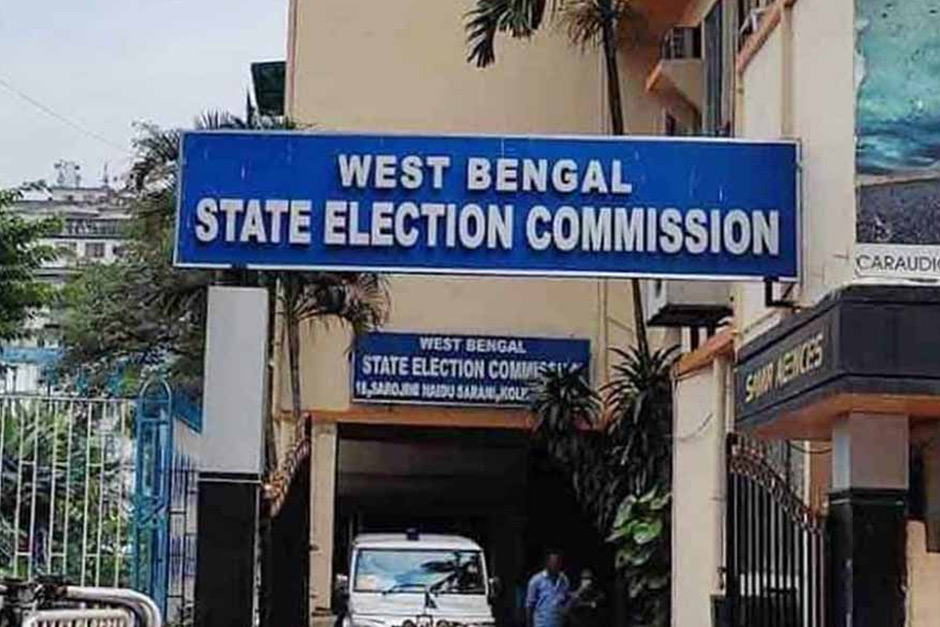
Kolkata, West Bengal – The democratic process in West Bengal has entered a crucial phase today with the rollout of the draft electoral roll, a development that directly impacts millions of citizens. A significant 58 lakh names have reportedly been deleted from the previous rolls, making it imperative for every eligible voter in the state to verify their status. This extensive revision process, undertaken by the Election Commission of India (ECI), aims to ensure the accuracy and purity of the voter list ahead of future elections. The stakes are high, as an accurate electoral roll is the bedrock of free and fair democratic exercises.
The deletion of such a large number of names often sparks concern, but election authorities emphasize that these revisions are part of a standard, multi-stage process to update voter information. Reasons typically include the removal of duplicate entries, names of deceased voters, individuals who have moved residences, and those with multiple registrations. While necessary, it underscores the critical responsibility of citizens to actively engage in verifying their inclusion and rectifying any discrepancies.
Understanding the Draft Electoral Roll and Its Importance
The draft electoral roll is not the final document; rather, it is a provisional list published for public scrutiny. It marks the beginning of a period during which citizens can file claims for inclusion if their name is missing, raise objections against incorrect entries, or seek corrections to their existing details. The objective is to make the final roll as error-free and comprehensive as possible, reflecting the true demographic of eligible voters in West Bengal.
The 58 lakh deletions, while substantial, represent the Election Commission’s ongoing efforts to clean up the electoral database. This exercise involves Booth Level Officers (BLOs) conducting door-to-door verification, cross-referencing with other government databases, and processing applications for deletions received throughout the year. For many, the deletion might be unexpected, highlighting the need for vigilance. This revision period provides a vital window for citizens to ensure their voting rights are secured before the final roll is published.
Step-by-Step Guide: How to Check Your Voter Status Online
Verifying your name on the draft electoral roll is a straightforward process, primarily facilitated through online platforms. It is highly recommended that every eligible voter in West Bengal takes this step promptly:
1. Visit the Official Portal: Navigate to the National Voter’s Service Portal (NVSP) at www.nvsp.in or the Chief Electoral Officer (CEO), West Bengal’s official website at www.ceowestbengal.nic.in. Both portals offer robust search functionalities.
2. Locate the ‘Search Electoral Roll’ Option: On the NVSP portal, look for the ‘Search Your Name in Electoral Roll’ section. On the CEO West Bengal site, a similar link for searching the electoral roll will be prominently displayed, often under a section related to ‘Voter Information’ or ‘Electoral Roll’.
3. Enter Your Details: You typically have two primary methods to search:
- Search by EPIC Number: If you have your Electors Photo Identity Card (EPIC) number, this is the quickest and most accurate method. Enter your 10-digit alphanumeric EPIC number in the designated field.
- Search by Details: If you don’t recall your EPIC number, you can search using your personal details. This usually requires entering your name, father’s/husband’s name, age or date of birth, gender, district, and assembly constituency. Ensure the details match those previously submitted to the Election Commission.
4. Review the Search Results: After submitting your details, the system will display matching records. Carefully check if your name, photo (if available), polling station, and other particulars are accurate. If your name appears, your status is currently included in the draft roll.
5. Download the Electoral Roll (Optional): Many state CEO websites also allow you to download the entire part-wise electoral roll for your constituency, enabling a manual check if preferred.
Restoring Your Name: The Process for Claims and Objections
If you discover that your name is missing from the draft electoral roll, or if there are errors in your entry or that of another voter, immediate action is necessary during this revision period. The Election Commission has provided clear mechanisms for claims and objections:
1. Filing a Claim for Inclusion (Form 6): If your name is missing, you need to apply for its inclusion. This is done by filling out Form 6. This form can be submitted online through the NVSP portal or the Voter Helpline App. Alternatively, physical copies can be obtained from and submitted to your Booth Level Officer (BLO), Electoral Registration Officer (ERO), or Assistant Electoral Registration Officer (AERO).
2. Objection to Inclusion/Deletion (Form 7): If you wish to object to the inclusion of a name or to the deletion of your own name or someone else’s, you must submit Form 7. This is crucial if your name has been incorrectly deleted. The process for submission is similar to Form 6.
3. Correction of Entries (Form 8): For corrections to existing details like name, address, age, or photo, use Form 8. This ensures your voter information is precise and up-to-date.
The deadline for filing claims and objections is usually several weeks from the draft roll’s publication date, providing ample time for citizens to participate. However, it is advisable not to wait until the last minute. Supporting documents, such as proof of age and residence, will be required for Form 6 submissions. After submission, a field verification will typically be conducted by a BLO, followed by a hearing before the ERO before a final decision is made.
“An active and engaged citizenry is the cornerstone of a vibrant democracy,” remarked a senior official from the Chief Electoral Officer’s office, emphasizing the importance of public participation. “The draft roll revision period is a critical opportunity for every eligible voter to ensure their electoral rights are protected. We urge everyone to check their status and utilize the available mechanisms for claims and corrections.”
The democratic process thrives on active participation. With 58 lakh names impacted in West Bengal, the onus is now on citizens to verify their voter status and take the necessary steps to secure their right to vote. The accuracy of the electoral roll directly impacts the integrity of elections, making this period a fundamental exercise for every resident of the state.

