


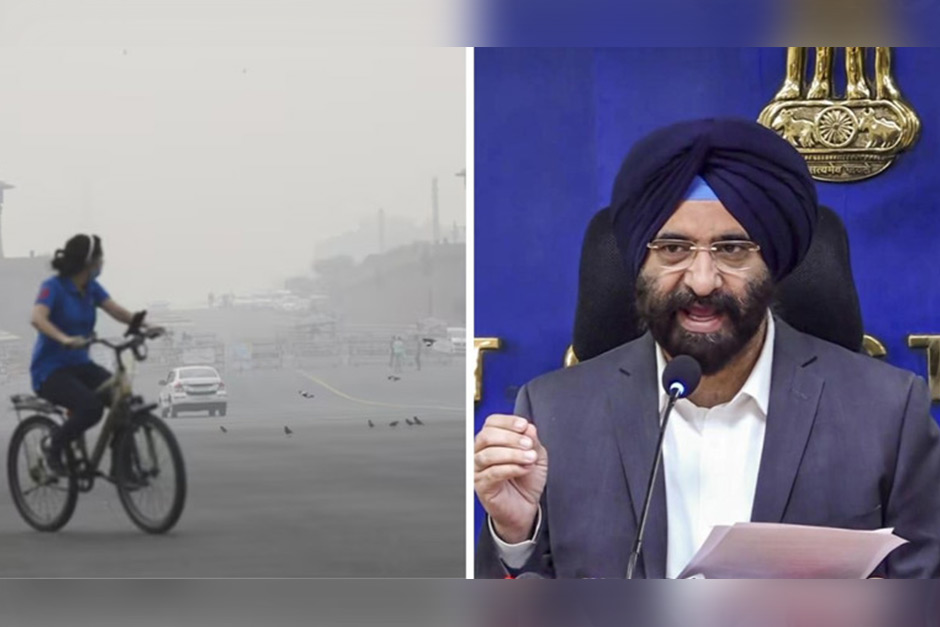
As Delhi experiences a momentary reprieve from the biting cold and thick shroud of fog that has defined much of its recent winter, a stern warning has emerged from a prominent figure, signaling that the worst may not be over. Manjinder Singh Sirsa, a Delhi minister, has cautioned residents that the “weather will worsen again,” urging immediate and comprehensive collective action to brace for a renewed spell of dense fog. This timely advisory underscores the persistent challenges faced by the National Capital Region during winter months and highlights the critical need for preparedness from all quarters.
The Impending Fog Challenge for Delhi
Delhi’s winters are synonymous with a dramatic drop in temperature and, more often than not, the pervasive presence of fog. This year has been no different, with prolonged periods of severe cold and visibility-hampering fog disrupting daily life. Sirsa’s warning points towards an imminent exacerbation of these conditions, suggesting a return to dense fog, which poses significant risks across multiple domains. Such weather phenomena are not merely an inconvenience; they are a public safety concern, primarily impacting transportation, public health, and the local economy.
Dense fog severely reduces visibility, making road travel perilous and leading to an increased incidence of accidents. Air and rail services are routinely affected, causing widespread delays and cancellations that ripple through logistical chains and personal schedules. Beyond the immediate disruption, the unique atmospheric conditions during fog often trap pollutants close to the ground, transforming what might be natural fog into a hazardous mix of fog and smog. This concoction presents a serious health risk, exacerbating respiratory illnesses and impacting the general well-being of the city’s inhabitants.
Sirsa’s Call for Proactive Preparedness and Collective Action
The minister’s warning is not merely a forecast but a direct appeal for proactive measures. Manjinder Singh Sirsa has emphasized the importance of collective responsibility, urging both citizens and civic bodies to be prepared. This call for preparedness encompasses various aspects, from individual behaviour to coordinated governmental responses. The emphasis lies on mitigating the anticipated challenges before they fully manifest.
Addressing the public, Sirsa stated, “The coming days demand heightened vigilance from every resident of Delhi. We must not let our guard down. Drive carefully, maintain a safe distance, use fog lights, and for those with respiratory concerns, take necessary precautions. This is not just a government responsibility; it’s a collective one to ensure safety and minimize disruption.” His statement reflects a holistic understanding of the problem, acknowledging that while authorities must provide infrastructure and advisories, individual actions are equally crucial in navigating adverse weather conditions.
For drivers, this means adhering strictly to traffic rules, drastically reducing speeds, and ensuring vehicle lights, especially fog lamps, are in perfect working order. For pedestrians, exercising extreme caution while crossing roads and wearing bright clothing can significantly enhance safety. Public health advisories often recommend minimizing outdoor exposure during peak fog hours, especially for vulnerable groups such as the elderly, children, and those with pre-existing medical conditions, and using air purifiers indoors if necessary.
Beyond Visibility: Health and Socio-Economic Impacts
While the immediate impact of dense fog is visible on roads and air traffic, its long-term ramifications extend far deeper. The health implications, particularly when fog combines with particulate matter, are a grave concern for Delhi. Respiratory ailments like asthma and bronchitis can worsen, and even healthy individuals may experience irritation in the eyes, nose, and throat. The city’s already challenging air quality situation can deteriorate significantly under such conditions, leading to a rise in pollution-related illnesses.
Economically, the disruption caused by severe fog can be substantial. Daily wage earners, who rely on predictable public transport and clear weather, are often hit hard by delays and cancellations. Businesses face setbacks due to logistical challenges, absenteeism, and reduced consumer footfall. Schools and educational institutions often have to adjust timings or declare closures, impacting students’ learning schedules. Therefore, Sirsa’s warning is not just about momentary discomfort but about safeguarding public health and ensuring the city’s operational continuity.
The imperative for collective action extends to local authorities as well. This includes ensuring adequate street lighting, readying traffic management systems for low visibility, and issuing timely, precise advisories. Public awareness campaigns, disseminating best practices for driving in fog and health precautions, become paramount. As Delhi braces for another spell of challenging weather, the minister’s warning serves as a crucial reminder that a coordinated and responsible approach is the only way to effectively navigate the complexities of winter fog.
In conclusion, Manjinder Singh Sirsa’s alert about the worsening weather and impending dense fog is a critical heads-up for Delhi. It underscores the recurring battle the capital faces each winter and the necessity for every resident and institution to play their part. By embracing preparedness, exercising caution, and acting collectively, Delhi can strive to minimize the impact of the challenging weather ahead, prioritizing safety and well-being above all else.

