


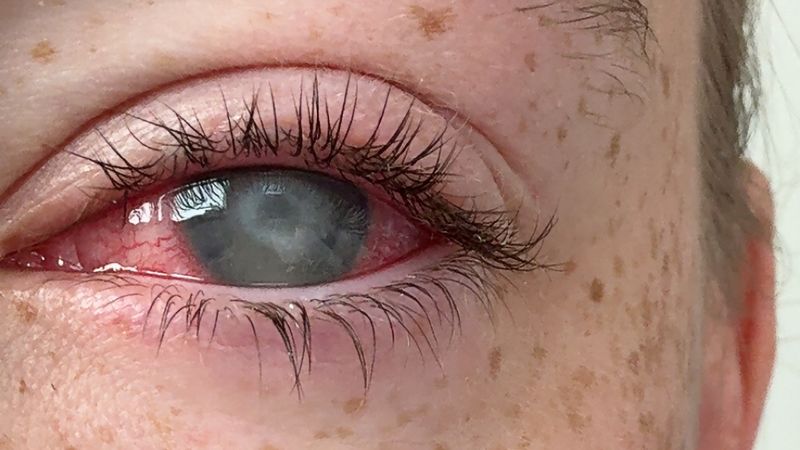
You wear contact lenses because they offer freedom, convenience, and clear vision without frames. Most of the time, contacts are a wonderful tool. But what if that clear vision you enjoy could be snatched away by something you can’t even see? There’s a microscopic threat lurking in places you might not expect, and it has a particular appetite for contact lens wearers: Acanthamoeba keratitis. While rare, it’s profoundly serious, and understanding it is your best defense against potential blindness.
The Invisible Enemy: What is Acanthamoeba Keratitis?
Imagine a tiny, single-celled organism, an amoeba, found almost everywhere – soil, air, and especially water. This is Acanthamoeba. For most people, it’s harmless. But for contact lens wearers, it can be a terrifying intruder. When these amoebae get trapped between your contact lens and your eye, particularly if the cornea has even a tiny scratch, they find an ideal environment to multiply and, alarmingly, start to devour the corneal tissue itself.
Symptoms often begin subtly, mimicking more common eye infections: redness, discomfort, blurred vision, excessive tearing, and sensitivity to light. This makes early diagnosis incredibly challenging. “Many patients initially think they just have pink eye or an allergy,” explains Dr. Anya Sharma, a simulated ophthalmologist specializing in corneal diseases. “By the time they seek advanced care, the amoeba may have already caused significant damage, making treatment much more difficult and prognosis less favorable.”
Why This Threat Demands Your Attention
The phrase “blinding eye parasite” isn’t hyperbole here. Acanthamoeba keratitis is devastating because it literally eats away at your cornea, the clear outer layer of your eye. As the infection progresses, it causes agonizing pain, severe vision loss, and can lead to permanent scarring. Treatment is notoriously difficult, involving a lengthy regimen of intense antimicrobial eye drops, often for months. In many severe cases, a corneal transplant is the only way to restore vision, a major surgery with its own risks and recovery period. The emotional, physical, and financial toll on patients is immense, underscoring why prevention is not just important, but absolutely critical.
Your Best Defense: Simple, Non-Negotiable Rules
The good news is that Acanthamoeba keratitis is largely preventable by adhering to strict contact lens hygiene. Your habits are your shield against this formidable foe. Here’s what you absolutely must do:
- Water is the Enemy: Never rinse or store your contact lenses in tap water, distilled water, lake water, ocean water, or even bottled water. This includes showering, swimming, or using hot tubs with your lenses in. Even municipal tap water contains microscopic organisms, including Acanthamoeba, which are usually harmless to drink but deadly to your exposed eye.
- Fresh Solution, Every Time: Only use fresh, sterile contact lens solution recommended by your eye care professional. Never “top off” old solution in your lens case. Discard old solution and refill with new every single time you store your lenses.
- Rub and Rinse: Unless your solution is explicitly “no-rub” (and even then, many eye doctors still recommend a gentle rub), always rub your lenses with solution in the palm of your hand for 5-10 seconds before rinsing them thoroughly. This helps dislodge any microbes.
- Clean Case, Often Replaced: Rinse your lens case with fresh solution and leave it open to air dry after each use. Replace your contact lens case at least every one to three months, or immediately if it’s cracked or dirty.
- Clean Hands: Always wash your hands thoroughly with soap and water and dry them completely with a clean, lint-free towel before handling your contact lenses.
- No Sleeping In: Unless prescribed by your eye doctor for extended wear, never sleep in your contact lenses. This dramatically increases your risk of infection.
- Follow Schedules: Adhere strictly to the wear schedule prescribed by your eye doctor – whether it’s daily disposables, bi-weekly, or monthly. Over-wearing lenses compromises eye health and creates opportunities for infection.
Your contact lenses offer freedom, but that freedom comes with a responsibility to your eye health. This isn’t about fear-mongering; it’s about empowering you with knowledge. By understanding the risks and diligently following these simple hygiene rules, you can enjoy the benefits of contact lenses with peace of mind, keeping your precious vision safe from this blinding parasite.

