


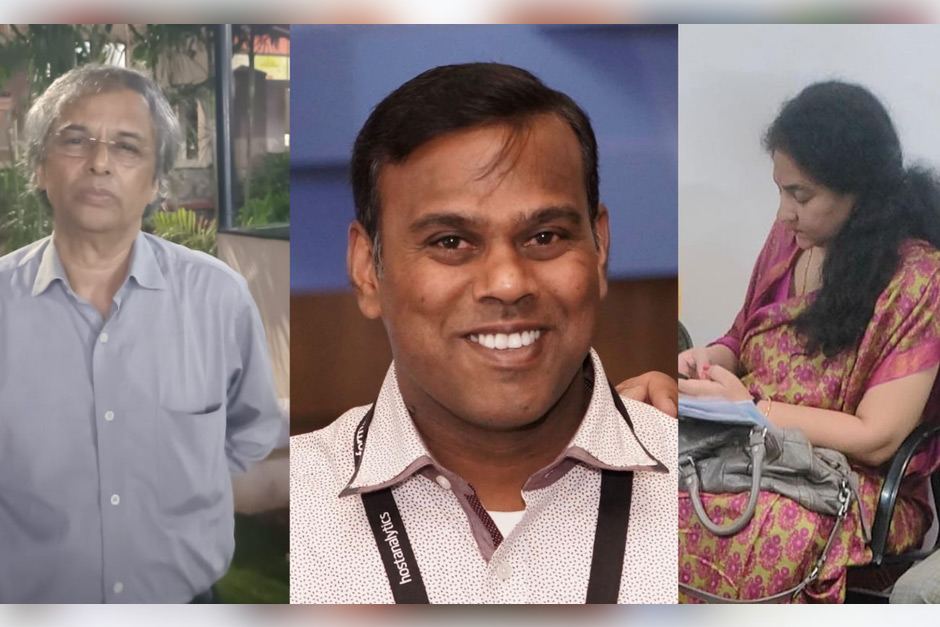
Bengaluru, India’s Silicon Valley, has been shaken by the tragic death of a young tech professional, Rohan Sharma, 32, who allegedly died by suicide after enduring severe harassment and an extortion bid. The incident, which has brought to light alarming allegations of corruption within local civic administration, has sparked widespread outrage and calls for immediate action. Sharma’s suicide note explicitly blames officials from a local civic body, detailing a harrowing ordeal of “harassment and torture” that ultimately led him to take this drastic step.
A Techie’s Ordeal: Extortion and Harassment Allegations
The incident came to light on Monday when Rohan Sharma was found deceased in his residence in South Bengaluru. Police discovered a detailed suicide note left behind by Sharma, a software engineer with a prominent IT firm. In the note, which has since been submitted as crucial evidence, Sharma meticulously outlines an alleged extortion scheme involving several officials from the local civic body. He claims these officials demanded a substantial sum – reported to be in several lakhs of rupees – in connection with a property-related dispute or permit issue, the specifics of which are currently under police investigation.
Sharma’s note describes feeling trapped and helpless, stating he was subjected to continuous mental and emotional torture. The pressure, he wrote, became unbearable, leaving him with no other recourse. Family members and friends, speaking anonymously to local media, corroborated Sharma’s recent distress, mentioning that he had confided in them about ongoing issues with certain civic officials but hadn’t revealed the full extent of the threats or demands. The police have registered a case under relevant sections of the Indian Penal Code, including abetment to suicide, and have initiated a thorough investigation into the allegations made in the note.
Investigating the Claims: Calls for Accountability
The accusations against civic body officials have cast a spotlight on the pervasive issue of bureaucratic corruption and its devastating impact on citizens. Rohan Sharma’s case is a stark reminder of the vulnerability of individuals when faced with demands from those in positions of power. Public outcry has been swift, with many citizens and activists demanding a transparent and swift inquiry to identify and prosecute those responsible.
Authorities have assured the public that no stone will be left unturned in investigating these serious allegations. A senior police official, speaking on condition of anonymity due to the ongoing nature of the probe, stated, “We are meticulously examining the suicide note, gathering evidence, and questioning all individuals mentioned. The investigation will be fair and impartial, aiming to bring justice to the deceased and his family. Accountability will be ensured for anyone found culpable, regardless of their position.” The incident has reignited debates about governmental transparency, the ease with which ordinary citizens can be exploited, and the need for robust grievance redressal mechanisms.
The Broader Impact: A Plea for Systemic Change
Rohan Sharma’s tragic death transcends a singular incident; it serves as a grim indicator of deeper systemic issues. Bengaluru, a city synonymous with innovation and progress, often grapples with infrastructural and administrative challenges. Reports of citizens facing hurdles and demands for unofficial payments for routine services are not uncommon. This particular case, however, highlights the extreme consequences when such pressures become insurmountable for an individual.
Civil society organisations and citizen forums are now calling for a comprehensive review of the functioning of local civic bodies, advocating for measures that promote transparency, reduce discretionary powers, and implement stricter anti-corruption protocols. The demand is not just for justice in Rohan’s case but for fundamental changes that protect citizens from similar harassment. The hope is that Rohan Sharma’s ultimate sacrifice will not be in vain, and it will catalyze a movement towards more accountable and citizen-friendly governance in India’s bustling urban centers.
The investigation is ongoing, and the city watches closely, awaiting answers and, more importantly, a pledge that such a tragedy will not be repeated.

