


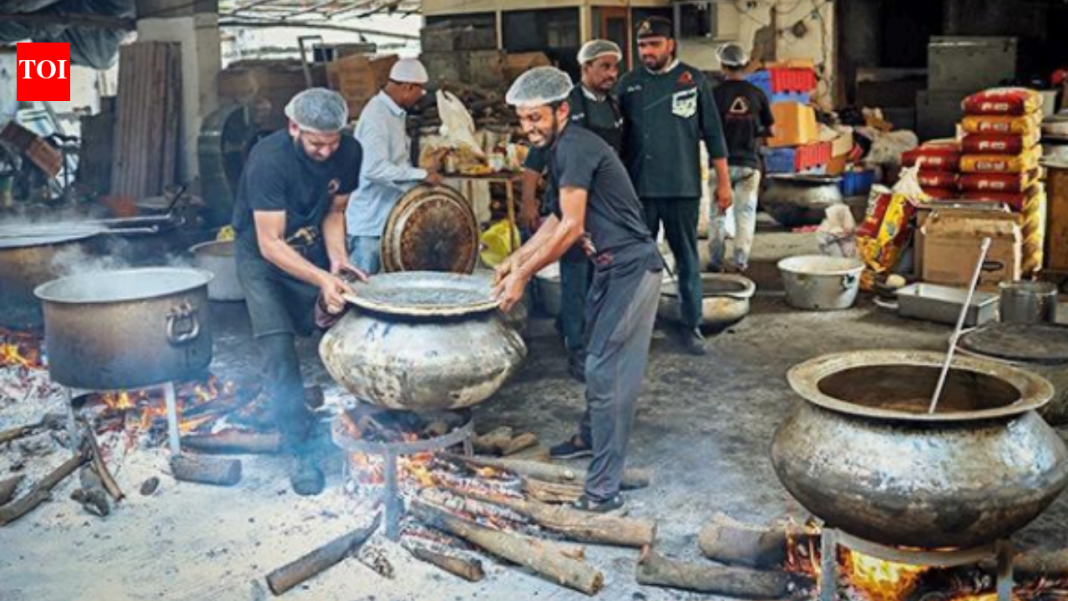
The distant drumbeats of war might seem far removed from the bustling kitchens and sacred precincts of India, yet their echoes are increasingly palpable. A global energy crunch, exacerbated by ongoing geopolitical conflicts, has sent the price of commercial Liquefied Petroleum Gas (LPG) soaring. What began as a burden for restaurants and hostels has now expanded its reach, touching even the spiritual heart of the nation: its temples. This crisis is not merely about rising expenses; it’s about the tangible upending of daily life, community services, and long-held traditions across the subcontinent.
The Commercial Kitchen’s Conundrum: Eateries and Hostels Brace for Impact
For India’s vast hospitality sector, commercial LPG cylinders are the lifeblood of operations. From roadside eateries dishing out hot samosas to grand restaurants serving gourmet meals and hostel messes providing daily sustenance, the reliance on LPG is absolute. The relentless upward trajectory of prices has cast a long shadow over these establishments, many of which are still recovering from the economic shocks of recent years.
Operating costs have skyrocketed, pushing many small and medium-sized businesses to the brink. Restaurateurs face an unenviable dilemma: absorb the increased costs and watch profit margins shrink to unsustainable levels, or pass the burden onto consumers through higher menu prices. Both choices carry significant risks. Raising prices can deter customers, particularly in a price-sensitive market, leading to reduced footfall and ultimately, lower revenues. Conversely, absorbing costs means less capital for expansion, maintenance, and employee welfare, potentially jeopardizing the business’s long-term viability.
“Every week, it feels like we’re calculating our losses instead of our profits,” laments Sanjay Gupta, owner of a popular dhaba in Bengaluru. “We try to keep our prices stable for our regular customers, but with LPG cylinders costing so much more, we’re barely breaking even. Some days, we consider shutting down early just to save fuel.” Hostels, too, are grappling with similar pressures, often forced to either increase accommodation fees or compromise on the quality and quantity of meals provided, impacting thousands of students and migrants who depend on affordable living.
Sacred Spaces Under Strain: Temples Confront the Crisis
Perhaps the most unexpected casualties of this LPG crisis are India’s temples. Many large temples, functioning as significant community hubs, run kitchens on a scale comparable to commercial establishments. These kitchens are vital for preparing prasadam (sacred food offerings), facilitating community meals known as annadanam, and even cooking for the resident priests and staff. Fire-based rituals, such as havans and daily aartis, though often requiring smaller quantities, are also integral to temple life.
The principle of annadanam, offering free food to devotees and the needy, is a deeply ingrained tradition in Indian culture, upheld by countless temples across the country. With LPG prices surging, the ability of these institutions to sustain such charitable activities is being severely tested. Temple trusts, which often rely on donations and endowments, find their budgets stretched thin, forcing difficult conversations about scaling back services or diverting funds from other important initiatives like maintenance and renovation.
“The daily annadanam for devotees is a cornerstone of our service, but the escalating cost of LPG is making it incredibly challenging to sustain,” states Pujari Suresh Sharma from the historic Lakshmi Narayan Temple in Delhi. “We are contemplating alternative fuel sources, but the transition is neither simple nor inexpensive, and we must ensure the sanctity and quality of our offerings remain uncompromised.” For temples, the crisis isn’t just financial; it’s a moral and spiritual quandary, challenging their ability to fulfill their foundational role as providers of spiritual solace and community welfare.
Seeking Alternatives and The Path Ahead
In response to the relentless price hikes, some establishments are cautiously exploring alternatives. Electric induction cooktops offer a cleaner and potentially more cost-effective option, provided there is consistent electricity supply and the initial investment in equipment is manageable. For larger kitchens, a return to traditional fuels like firewood or biomass is being considered, though these come with their own set of challenges, including sourcing, storage, environmental concerns, and the need for significant infrastructure changes.
The LPG crisis underscores the interconnectedness of global events and local livelihoods. What starts as a conflict thousands of miles away reverberates through the intricate economic and social fabric of a nation. As eateries struggle to keep their doors open and temples strive to maintain their sacred services, the crisis serves as a stark reminder of the need for energy security and diversified energy sources. Without a stable and affordable energy supply, the fundamental activities that nourish both body and soul in India face an uncertain future, demanding thoughtful policy interventions and innovative solutions from all stakeholders.
The true cost of war, it appears, is not just measured in geopolitical shifts, but also in the everyday struggles of millions, from the aroma of frying street food to the sacred scent of temple offerings.

