


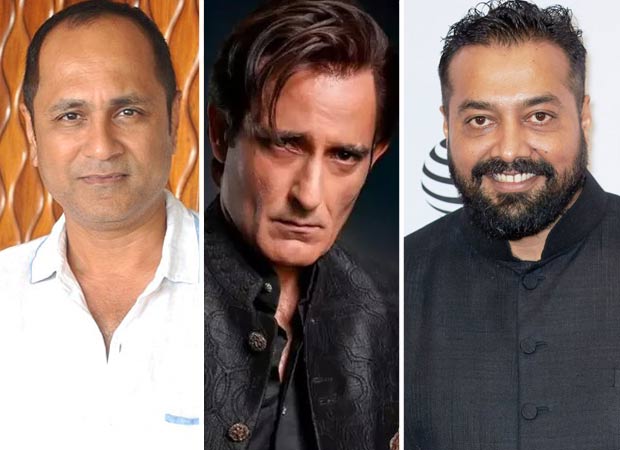
Filmmaker Vipul Amrutlal Shah, known for producing the highly debated film The Kerala Story, once again finds himself at the centre of industry discussions. As talks of a sequel, tentatively titled The Kerala Story 2, begin to surface, Shah has been quick to address burgeoning allegations and respond to fellow director Anurag Kashyap’s prior comments. His recent statements offer a glimpse into his perspective on cinematic freedom, factual representation, and the industry’s often-divided opinions.
Upholding Authenticity: Responding to Religious Targeting Claims
The original The Kerala Story sparked significant debate regarding its portrayal of religious conversion and alleged radicalisation, leading to accusations of targeting a particular community. With the prospect of a sequel, similar concerns have naturally resurfaced. Vipul Shah, however, vehemently defends his approach, asserting that his films are rooted in factual accounts and real-life incidents.
Addressing the allegations head-on, Shah posed a rhetorical question that encapsulates his stance on narrative fidelity: “Can I show Rehman Dakait as a Hindu?” This pointed query underscores his argument that when films are based on true events and real individuals, altering their identities or backgrounds to avoid controversy would be a disservice to the story and the truth it purports to tell. He stressed that if a real individual involved in criminal activities or radicalisation belongs to a specific religion, portraying them as such is simply a reflection of reality, not an act of targeting. Shah implied that filmmakers working on ‘true stories’ must contend with the existing facts, regardless of how sensitive they might be. This stance highlights the tightrope walked by creators who aim to deliver impact through real-world narratives while navigating accusations of bias or agenda.
A Director’s Dialogue: Vipul Shah Addresses Anurag Kashyap
Beyond defending his creative choices for The Kerala Story 2, Vipul Shah also took the opportunity to respond to past criticisms from veteran filmmaker Anurag Kashyap. Kashyap, known for his distinctive style and often critical commentary on the industry and society, has previously voiced his opinions on films that tread controversial socio-political grounds. Shah’s response indicates an underlying philosophical divide between the two directors regarding filmmaking approaches and the responsibilities that come with them.
When questioned about Kashyap’s comments, Vipul Shah delivered a concise, yet impactful rebuttal: “He made a film about a father.” This statement, while seemingly simple, carries significant implications. Shah appears to be drawing a distinction between the kind of cinema he champions – which he views as direct engagement with pressing, often uncomfortable social realities – and what he perceives as Kashyap’s focus on more personal, perhaps fictional, or character-driven narratives. By highlighting Kashyap’s focus on a “father,” Shah might be subtly suggesting that their cinematic philosophies differ, and perhaps implying that Kashyap’s perspective, while valid for his genre, may not fully grasp the complexities of films like The Kerala Story which aim to document specific real-world phenomena. This exchange underscores the ongoing debate within Indian cinema about art’s purpose: is it primarily for entertainment, artistic expression, or a tool for social commentary and factual exposé, even if contentious?
The Evolving Landscape of Indian Cinema and Social Commentary
The dialogue surrounding Vipul Shah’s productions reflects a larger trend in Indian cinema, where films claiming to be “based on true events” are increasingly scrutinised. Audiences, critics, and policymakers alike are engaged in a continuous debate about the line between artistic licence and factual accuracy, especially when narratives touch upon sensitive religious or political themes. Filmmakers like Shah argue for the right to portray uncomfortable truths as they perceive them, believing it is essential for societal introspection. Conversely, critics argue for caution, fearing that such narratives, if not handled responsibly, can exacerbate social divisions or perpetuate harmful stereotypes.
As Vipul Shah prepares for the potential sequel to The Kerala Story, his forthright defence of his narrative choices and his pointed response to industry peers like Anurag Kashyap highlight the challenging tightrope walk for creators in a diverse and often polarised nation. The anticipation for The Kerala Story 2 will undoubtedly be accompanied by continued scrutiny, fueling further discussions on the role of cinema in shaping public discourse and understanding.

