


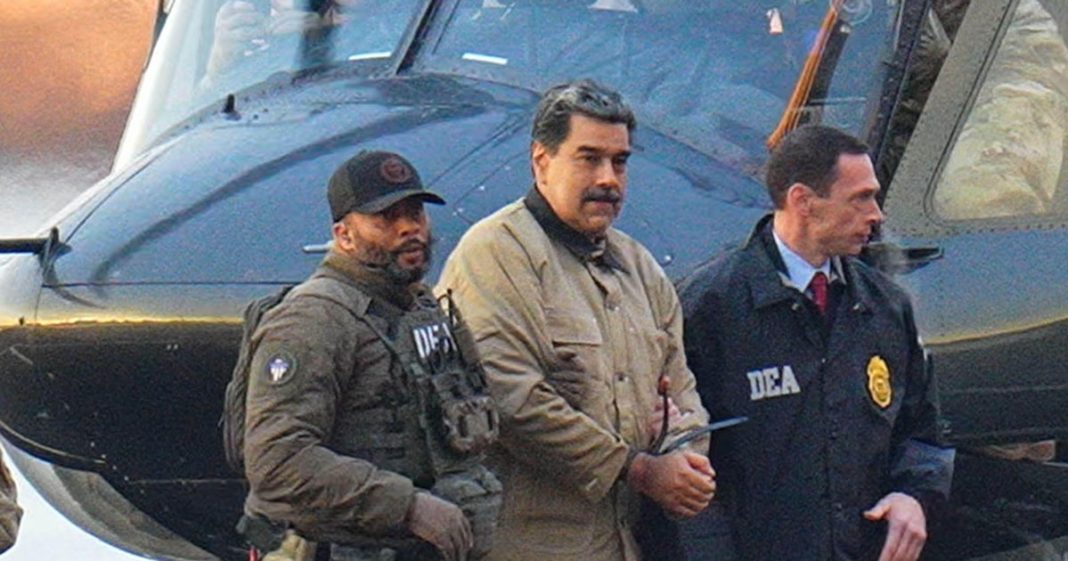
The geopolitical landscape around Venezuela has been dramatically reshaped by a sequence of events that have put the nation’s future squarely on the line. After high-stakes briefings from Trump officials to lawmakers signaled a renewed focus and perhaps a new strategy, the news that Nicolás Maduro is now detained in a New York City jail has sent shockwaves across the globe. This isn’t just a political shift; it’s a seismic event that promises to redefine the trajectory of a country long embroiled in humanitarian crisis and political turmoil.
A New Chapter for U.S. Engagement?
The recent briefings by Trump administration officials to congressional lawmakers were not merely routine updates; they represented a significant alignment of policy focus concerning Venezuela. These sessions likely delved into potential next steps, contingency plans, and the strategic implications of increased pressure on the Caracas regime. For months, the international community, led by the U.S., has sought a path toward democratic restoration and humanitarian relief for the Venezuelan people. These briefings, occurring against a backdrop of ongoing economic sanctions and diplomatic isolation, hinted at a hardening stance and a readiness to act decisively.
The content of these discussions, while not fully public, undoubtedly centered on the critical question of how to facilitate a transition away from the deeply entrenched socialist government. This has always been a delicate balance, aiming to empower democratic forces within Venezuela while avoiding actions that could further destabilize the region or exacerbate the suffering of its citizens. The briefings suggest that the U.S. government was preparing for, or at least discussing, scenarios that might fundamentally alter the political calculus in Venezuela, setting the stage for the dramatic developments that have now unfolded.
Maduro’s Detention: A Seismic Shift
The arrest and detention of Nicolás Maduro in a New York City jail marks an unparalleled moment in modern Latin American history. For years, U.S. authorities had leveled serious accusations against him, including drug trafficking, money laundering, and corruption, offering significant rewards for information leading to his apprehension. His capture, far from the Venezuelan presidential palace, removes a central figure from the country’s political chessboard and creates an immediate and profound power vacuum.
The implications of Maduro’s presence in a U.S. correctional facility are vast. Domestically, it leaves Venezuela’s ruling party in disarray, prompting questions about succession, internal loyalties, and the potential for increased infighting or even a collapse of what remains of its institutional control. Internationally, it signals a powerful statement about the reach of U.S. justice and a clear message to other authoritarian leaders. This development instantly transforms the political dialogue from how to remove Maduro to how to manage a post-Maduro transition.
“This isn’t just a political tremor; it’s an earthquake for Venezuela,” remarked Dr. Elena Ramirez, a seasoned Latin American policy analyst. “The international community now faces a critical test: how to support a peaceful, democratic transition while avoiding further instability. The stakes for human rights and regional security have never been higher.”
The Road Ahead: Challenges and Opportunities
With Maduro now detained, Venezuela stands at a crossroads. The immediate challenge will be to secure a stable and legitimate interim government capable of navigating the immense humanitarian crisis, rebuilding institutions, and preparing for free and fair elections. The international community, especially the U.S., will play a crucial role in supporting these efforts, potentially through increased humanitarian aid, technical assistance for transitional governance, and robust diplomatic engagement to ensure a peaceful path forward.
This unprecedented situation presents both immense opportunities and significant risks. The absence of Maduro could pave the way for long-awaited democratic reforms and the restoration of fundamental freedoms. However, it also opens the door to potential power struggles, further social unrest, or even external interference. The world watches with bated breath as Venezuela steps into this profoundly uncertain, yet potentially transformative, new era.
The future of Venezuela is no longer a theoretical debate; it is an unfolding reality, forged by determined international pressure and now, a monumental shift in leadership. The coming weeks and months will define whether this dramatic turn of events leads to a resurgence of democracy and prosperity or plunges the nation into deeper turmoil.

