


Cervical cancer, a silent menace, continues to cast a long shadow over women’s health in India. Globally, it ranks as the fourth most common cancer among women, but in India, the statistics are particularly stark, accounting for a significant proportion of all cancer deaths among women. The good news, however, is that unlike many other cancers, cervical cancer is largely preventable and, if detected early, highly treatable. The battle against this disease hinges on a powerful, three-pronged strategy: vaccination, diligent screening, and timely early treatment.
The Protective Shield: HPV Vaccination
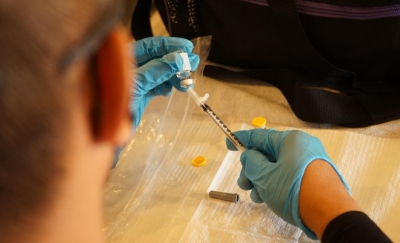
At the heart of cervical cancer prevention lies the Human Papillomavirus (HPV). Persistent infection with high-risk types of HPV is the primary cause of nearly all cervical cancers. This understanding has paved the way for a revolutionary intervention: the HPV vaccine. Designed to protect against the most common cancer-causing HPV strains, the vaccine offers a robust shield, significantly reducing the risk of developing cervical lesions that can progress to cancer.
In India, where cultural nuances and access challenges often complicate health initiatives, promoting HPV vaccination is a critical public health objective. The vaccine is most effective when administered to girls and young women before they become sexually active, ideally between the ages of 9 and 14. While initial uptake faced hurdles related to cost and awareness, government initiatives and increased advocacy are gradually improving reach. Educating parents, school authorities, and the community about the vaccine’s safety and efficacy is paramount to building a future where fewer Indian women are vulnerable to this preventable disease.
Unmasking the Threat Early: The Power of Screening
Even with increasing vaccination rates, screening remains an indispensable tool, particularly for women who were not vaccinated or were vaccinated later in life. Cervical cancer typically develops slowly over many years, offering a crucial window for early detection through routine screening. Methods like the Pap test (Papanicolaou test), which detects abnormal cells on the cervix, and the HPV DNA test, which identifies the presence of high-risk HPV types, are instrumental.
For a country as vast and diverse as India, implementing widespread, accessible screening programs is a monumental task. Efforts include establishing screening camps in rural areas, training frontline health workers to perform visual inspection with acetic acid (VIA) as a low-cost alternative, and integrating screening into existing reproductive health services. Regular screening can identify precancerous changes, allowing for interventions before cancer fully develops. The challenge lies in overcoming stigma, lack of awareness, and geographical barriers to ensure every woman has access to these life-saving checks.
“Early detection through regular screening is not just a medical recommendation; it’s a lifeline,” emphasizes Dr. Priya Sharma, a leading oncologist based in Delhi. “Many women present with advanced cervical cancer simply because they weren’t aware of the importance of screening, or lacked access. A simple, painless test can truly be the difference between life and death.”
Timely Intervention: The Lifeline of Early Treatment
When screening reveals abnormalities or an early-stage cancer, prompt and effective treatment becomes the third, equally vital pillar. The beauty of early detection is that it often leads to simpler, highly successful treatment options. For precancerous lesions or very early-stage cancers, procedures like cryotherapy (freezing abnormal cells), LEEP (Loop Electrosurgical Excision Procedure) to remove abnormal tissue, or conization (cone biopsy) can be highly effective, often preserving fertility and quality of life.
If cervical cancer is detected at an advanced stage, treatment becomes more complex, involving surgery, radiation therapy, chemotherapy, or a combination of these, often with a reduced prognosis. This underscores why the integration of screening and early treatment pathways is so crucial. India’s healthcare system is evolving, with increasing access to specialized oncological care in urban centers. However, ensuring that women in remote areas can transition swiftly from a positive screening result to timely diagnosis and treatment remains a key area for development. Ayushman Bharat, the government’s flagship health insurance scheme, is playing a significant role in making advanced treatments more accessible.
A Unified Front Against Cervical Cancer
The fight against cervical cancer in India is a testament to the power of a holistic public health approach. By strengthening HPV vaccination programs, expanding and normalizing routine screening for all eligible women, and ensuring swift access to early and effective treatment, India can dramatically reduce the burden of this preventable disease. It requires sustained government commitment, community engagement, and individual responsibility to prioritize women’s health. With these three strategies working in concert, a future where cervical cancer is no longer a major public health threat for Indian women is not just a dream, but an achievable reality.
Stay informed, stay healthy.

