


The United States Postal Service (USPS), a cornerstone of American infrastructure and daily life, finds itself navigating a complex financial landscape. As mail volumes shift and operational costs rise, the agency is exploring various strategies to ensure its long-term stability and continued service. Recent discussions have brought two significant actions into focus: a proposal to freeze certain pension payments and a request for a 4-cent increase in the price of a First-Class stamp. These moves underscore the ongoing efforts to balance its universal service mandate with its financial realities.
The Pension Payment Pause
For years, the USPS has grappled with unique financial obligations, particularly related to employee benefits. A substantial portion of these challenges stems from a congressional mandate requiring the Postal Service to pre-fund its retiree health benefits for future employees decades in advance – a burden not typically placed on other government agencies or private companies. This requirement has significantly impacted the USPS’s balance sheet, contributing to its reported losses.
The proposed freeze on certain pension payments is a direct response to these pressures. It’s a strategic maneuver aimed at conserving immediate cash flow and providing a much-needed financial reprieve. While the specifics of which payments would be paused and their exact duration are subject to ongoing discussion and regulatory approval, the intent is clear: to alleviate the immediate strain on the agency’s finances. This measure could free up capital that might otherwise be used to cover operational costs, invest in infrastructure upgrades, or service its vast network.
This isn’t a simple decision, as it involves complex actuarial calculations and has implications for employee benefits and union negotiations. However, for the USPS, it’s viewed as a necessary step in an ongoing battle to manage legacy costs while simultaneously adapting to a modern mail and parcel delivery environment. As one financial analyst put it, “The Postal Service is caught between a rock and a hard place. Freezing these payments, while not a permanent fix, could provide the essential breathing room needed to implement broader reforms and secure its future.“
Seeking a Stamp Increase
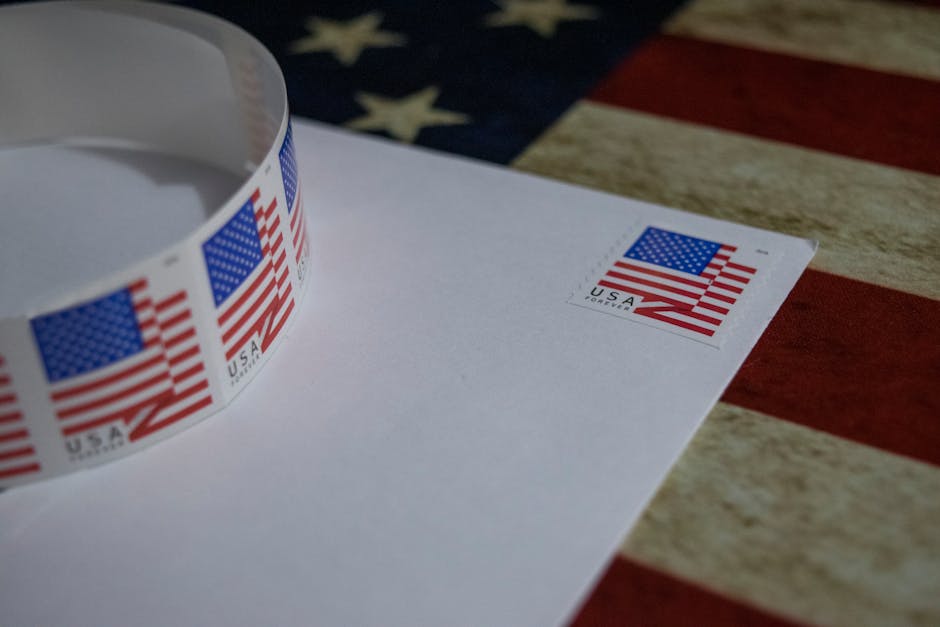
Beyond managing expenditures, the USPS is also looking to bolster its revenue streams. The request for a 4-cent increase in the price of a First-Class stamp is a proactive measure designed to generate additional funds. The cost of a Forever stamp, which has remained relatively stable for periods, is a primary source of income for the agency. With rising fuel prices, increasing labor costs, and the need for significant investments in new technology and package processing capabilities, the current revenue is often insufficient to cover operational demands.
Such an increase would typically need approval from the Postal Regulatory Commission (PRC). The USPS argues that a modest price adjustment is crucial for its ability to maintain high service standards, modernize its aging infrastructure, and continue its universal service obligation – delivering mail to every address in the nation, regardless of how remote. While any price increase might be met with consumer apprehension, the agency emphasizes the necessity of these adjustments to ensure the long-term viability of affordable and reliable mail service.
The revenue generated from a stamp price increase directly contributes to the operational budget, supporting everything from carrier salaries and vehicle maintenance to the processing and sorting equipment that keeps the mail moving. It’s a fundamental part of the USPS’s strategy to achieve financial self-sufficiency in an evolving market where package delivery has grown significantly, but traditional letter mail continues its gradual decline.
Navigating Forward
These two proposals—freezing pension payments and requesting a stamp price increase—are components of a larger, ongoing effort by the USPS to adapt and stabilize. They reflect a recognition that the agency cannot continue business as usual in the face of persistent financial pressures and changing consumer habits. The goal is not just to cut costs or raise prices in isolation, but to forge a path toward a more sustainable and efficient Postal Service capable of fulfilling its essential role in the country for generations to come. The outcomes of these discussions will undoubtedly shape the future of mail delivery in the United States.
The decisions made today regarding these critical financial adjustments will have lasting implications, touching everyone from postal employees and retirees to businesses and individual citizens who rely on the vast network of the USPS.

