


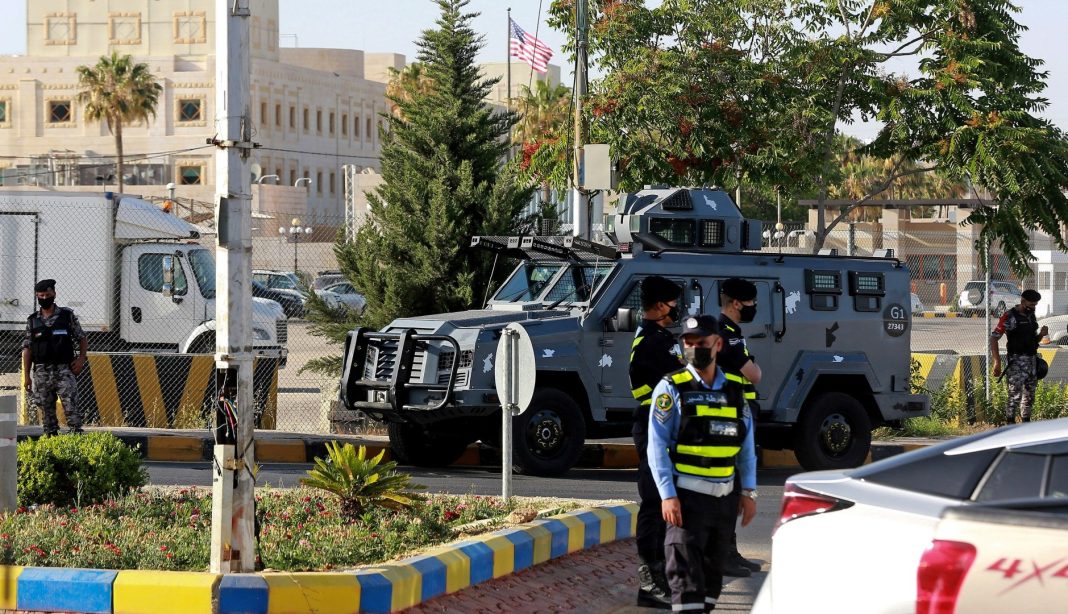
The Middle East, a region perpetually at the crossroads of global geopolitics and energy interests, is once again witnessing heightened tensions. In a significant development, the United States recently issued an urgent directive, urging its citizens to immediately depart from over a dozen countries in the Middle East. This advisory underscores a rapidly deteriorating security landscape, prompting concerns not just for American nationals but for the vast expatriate populations, including millions of Indians, who call the region home.
Escalating Tensions Drive US Advisory
The US State Department’s broad travel warning, elevated to a Level 4 “Do Not Travel” advisory for several nations and a “Reconsider Travel” for others, reflects growing anxieties stemming from the ongoing Israel-Hamas conflict. The advisory explicitly cites the potential for increased terror attacks, civil unrest, and anti-American demonstrations across the region. Countries on this list include, but are not limited to, Lebanon, Iraq, Syria, Yemen, Gaza, and the West Bank, with strong warnings also for areas adjacent to conflict zones.
The rationale behind such a sweeping directive is multifaceted. Since the eruption of hostilities between Israel and Hamas in October, the region has experienced a significant uptick in anti-Western sentiment and direct threats. Incidents ranging from missile and drone attacks by Houthi rebels in Yemen targeting shipping in the Red Sea, to increased cross-border skirmishes between Israel and Hezbollah in Lebanon, and a rise in protests across various Arab capitals, illustrate a volatile environment. The US government’s advisory is a proactive measure to mitigate risks for its citizens, acknowledging the unpredictable nature of these escalating proxy conflicts and the potential for a wider regional conflagration. The message is clear: the safety net for foreign nationals has become thinner, and self-evacuation is the safest recourse.
Regional Implications and India’s Crucial Stake
The US advisory sends ripples of concern throughout the Middle East, impacting not only diplomatic relations but also economic stability and the daily lives of millions. For India, the situation carries profound significance. The Middle East, particularly the Gulf Cooperation Council (GCC) states, is home to an estimated 8.5 million Indian expatriates, forming the largest foreign workforce in several nations. These individuals contribute substantially to both the regional economies and send critical remittances back to India, bolstering our own economy. The stability of the Middle East is thus inextricably linked to India’s prosperity and the welfare of its diaspora.
Furthermore, India’s energy security is deeply intertwined with the region. We import a substantial portion of our crude oil and natural gas from Middle Eastern countries. Any prolonged instability, disruption to shipping lanes like the Red Sea, or significant escalation could lead to volatility in global oil prices, directly affecting India’s import bill and potentially fueling domestic inflation. Trade relations, extending beyond energy to various goods and services, are also robust, making regional peace a strategic imperative for New Delhi.
While the US advisory is specific to American citizens, it serves as a stark reminder for all nations with significant presence in the region. Unlike the US, India typically issues more measured advisories, often urging its citizens to “exercise utmost caution” or “avoid non-essential travel” rather than immediate departure, unless a situation is acutely perilous. This nuanced approach reflects India’s deep historical ties, significant diaspora, and robust diplomatic presence, aiming to manage risk without inciting panic or undermining long-standing relationships.
Commenting on the evolving scenario, Dr. Meera Shankar, a geopolitical analyst specializing in West Asian affairs, noted, “The US advisory is a serious indicator of the perceived threat level for its citizens. For India, the challenge is far more complex. Our strategic interests, energy security, and the well-being of millions of our citizens demand a delicate diplomatic balance. We cannot afford to disengage; rather, we must intensify our efforts towards de-escalation and protect our national interests through robust engagement.”
Navigating a Volatile Future
The US urging its citizens to leave parts of the Middle East highlights the grim reality of a region on edge. The potential for the Israel-Hamas conflict to spiral into a broader confrontation involving state and non-state actors is a significant concern for the global community. For India, this situation necessitates constant vigilance, proactive diplomacy, and robust contingency planning to ensure the safety of its citizens and safeguard its vital economic and energy interests. As New Delhi continues to advocate for peace and stability, the path ahead remains fraught with uncertainties, demanding cautious navigation through turbulent geopolitical waters.
*

