


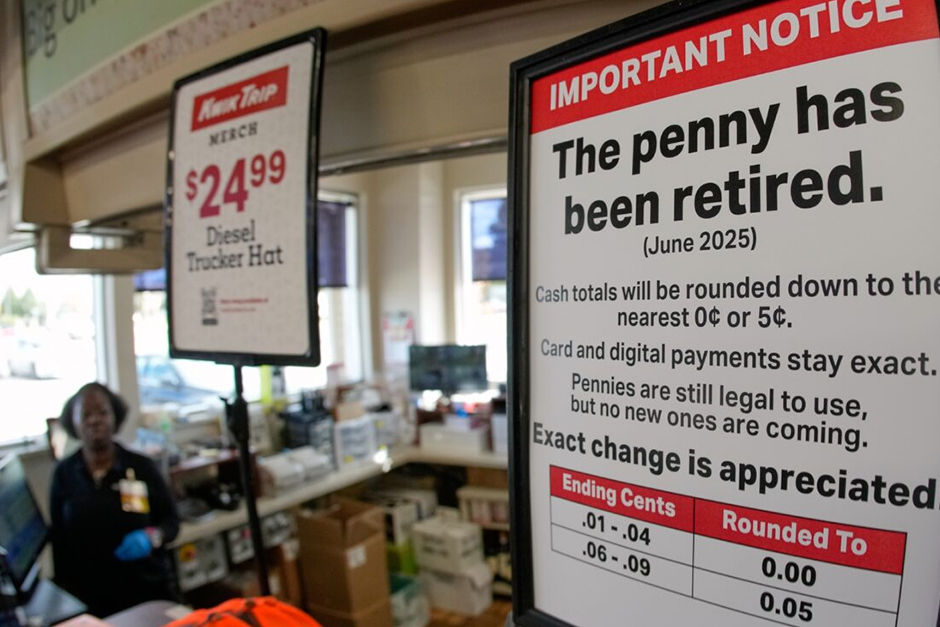
Picture this: you’re at the checkout, wallet open, ready for that satisfying clink of change. You hand over your cash, the cashier rings you up, and then… they pause. They look at you with a slight frown, a little apologetically, and ask, “Do you happen to have exact change? We’re actually running a bit short on pennies.” Sound familiar? It’s not a glitch in the matrix; it’s a bizarre reality many US stores are facing right now – a surprising scarcity of our smallest copper coin.
The Curious Case of the Missing Coppers
You might think, how can a country possibly run out of pennies? Aren’t they literally everywhere? Well, yes and no. It’s not that the US Mint stopped producing them, or that the ground swallowed them whole. The issue lies purely in circulation. When the world slowed down, so did our spending habits. We started using less cash, more cards, and fewer trips to physical stores meant fewer coin exchanges. Those pennies, nickels, dimes, and quarters that typically cycle from your pocket, to a store’s till, to a bank, and back out again, are now largely stuck. They’re languishing in change jars, under couch cushions, or simply not being spent and returned to the system.
“It’s not that we don’t have coins in the system, it’s that they’re all stuck in jars at home or not coming back from transactions,” explains Maria Rodriguez, a manager at a local family-owned grocery store. “We used to get rolls of pennies from the bank without a second thought. Now, we’re rationing them, and sometimes just rounding down to save ourselves the hassle. It’s a strange problem to have when you’re literally dealing with currency.”
Small Change, Big Headaches
This humble coin shortage, particularly acute for pennies, creates surprisingly ripple effects. Stores are posting “Exact Change Only” signs, which can be an unexpected inconvenience when you’re just trying to grab a coffee. Some are asking customers to pay with debit or credit if they don’t have the precise amount. Others have started rounding up or down, which while seemingly minor, adds another layer to our daily transactions.
For some businesses, this has inadvertently boosted charitable giving. Many point-of-sale systems now offer a “round up to the nearest dollar” option for a chosen charity, a solution that’s both practical and heartwarming in the face of coin scarcity. But for others, especially small businesses reliant on cash transactions, it’s a genuine operational challenge, forcing them to spend time and energy trying to procure more change.
Is This a Glimpse into the Future?
The penny shortage isn’t just a temporary inconvenience; it subtly pushes us to consider our relationship with physical cash. Is this accelerating a transition to an even more cashless society? For years, debates have raged about the penny’s usefulness, its production cost often exceeding its face value. This unexpected circulation drought might just be the catalyst that brings those discussions back to the forefront. It reminds us that even the smallest units of currency play a vital role in the intricate dance of commerce, and when they go missing, even for a short while, we definitely notice.
So, next time you come across a stray penny, don’t just pass it by. Consider bringing it back into circulation, or at least acknowledge its surprising significance in our current economic landscape. Who knew such a tiny coin could cause such a stir?

