


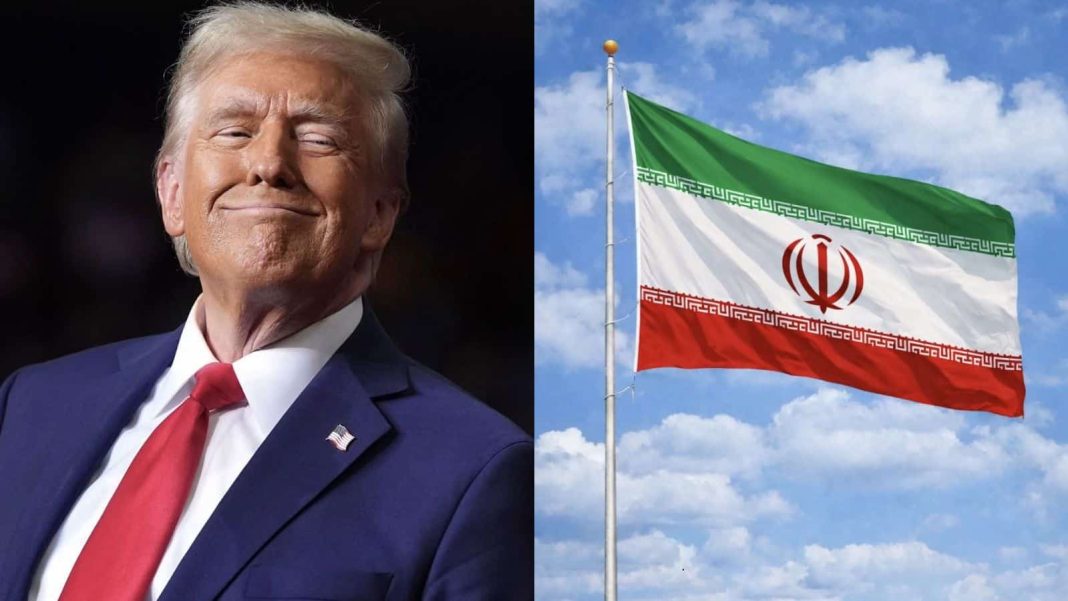
The geopolitical landscape of West Asia continues to be a focal point of global attention, marked by a perplexing duality in the United States’ approach to Iran. On one hand, Washington has announced further military deployments to the region, citing a need to deter perceived Iranian threats. On the other, US President Donald Trump has expressed an unexpected optimism, suggesting that Iran is ready to negotiate on its nuclear programme. This simultaneous application of heightened pressure and a hint of diplomatic openness creates a complex dynamic, closely watched by nations like India with significant strategic and economic stakes in the region.
US Reinforces Military Posture Amidst Rising Tensions
In a move signalling continued vigilance, the United States recently confirmed the deployment of additional military assets and personnel to West Asia. This decision comes amidst heightened tensions that have seen a series of incidents, including attacks on oil tankers and a US surveillance drone being shot down by Iran. While the precise numbers and types of assets vary with evolving intelligence, these deployments typically include advanced missile defence systems, surveillance aircraft, and several thousand troops.
The Pentagon has consistently framed these deployments as defensive measures aimed at protecting American interests and personnel in the region, as well as reassuring allies. “Our focus is on deterring Iranian aggression, protecting our forces and interests in the region,” stated then-Acting Secretary of Defense Patrick Shanahan during a previous deployment, underscoring the defensive nature of these actions. This strategy is part of a broader “maximum pressure” campaign initiated by the US following its withdrawal from the Joint Comprehensive Plan of Action (JCPOA), commonly known as the Iran nuclear deal, in May 2018. The US contends that these deployments are a necessary response to “credible threats” from Tehran, although the specific intelligence underpinning these threats often remains classified.
Trump’s Diplomatic Overture: A Shift in Tone?
Amidst this backdrop of military buildup, President Trump’s recent comments have introduced a seemingly contradictory note. Trump has publicly stated his belief that Iran is ready to negotiate on its nuclear programme, suggesting a potential willingness from Tehran to abandon its ambitions. These remarks come after months of escalating rhetoric and economic sanctions that have severely impacted the Iranian economy.
The President’s optimism could be interpreted in several ways: as a genuine assessment of Iran’s internal pressures, a strategic manoeuvre to open a channel for talks, or perhaps a reflection of a desire to de-escalate the situation while maintaining a strong negotiating posture. Iran, for its part, has largely maintained a stance of refusing to negotiate under duress, insisting that the US must first lift sanctions and return to the JCPOA. However, the sheer pressure from sanctions and internal economic challenges might indeed be compelling certain factions within Iran to consider alternatives, even if publicly they maintain a defiant front. This push-pull between overt military pressure and a subtle diplomatic opening defines the current US strategy.
India’s Strategic Balancing Act Amidst Regional Volatility
For India, the unfolding situation in West Asia carries profound implications. India maintains deep historical, economic, and strategic ties with both the United States and Iran, making the regional volatility a delicate diplomatic challenge. West Asia is crucial for India’s energy security, with a significant portion of its crude oil imports originating from the Gulf states and Iran. Any disruption to oil supplies or a surge in global oil prices due to regional instability could have a debilitating effect on India’s economy.
Furthermore, the region is home to millions of Indian expatriates, whose safety and remittances are vital. The Strait of Hormuz, a critical maritime chokepoint, is indispensable for India’s trade routes. New Delhi has consistently advocated for de-escalation through dialogue and diplomacy, urging all parties to exercise restraint. India’s challenge lies in balancing its strategic partnership with the US with its historical ties and energy requirements from Iran, all while safeguarding its diaspora and economic interests. The current US dual approach — military pressure combined with a hint of diplomacy — presents both risks and a glimmer of hope for a region that desperately needs stability.
The coming months will reveal whether the US’s twin-track approach can indeed push Iran towards meaningful negotiations, or if the increased military presence will only serve to deepen the regional stalemate. For nations like India, the stakes remain incredibly high, underscoring the urgent need for a peaceful resolution.

