


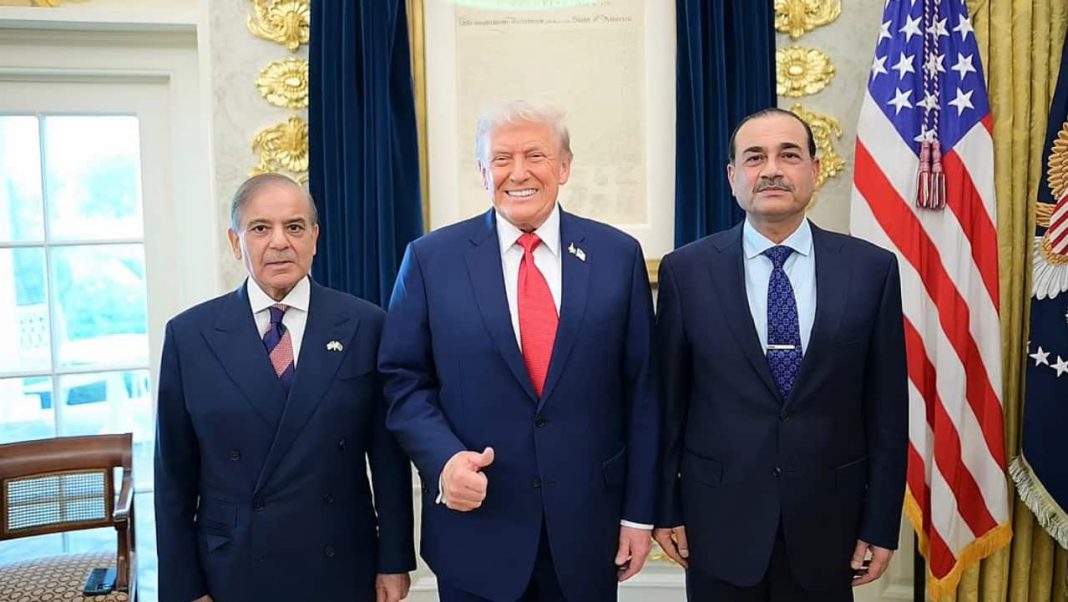
A recent report has surfaced indicating a significant diplomatic and economic overture from the United States towards Pakistan. The report suggests that Washington is actively seeking Islamabad’s partnership in two key areas: the sale of American-made locomotives and collaboration in mineral exploration. This development, if it materializes into concrete initiatives, holds substantial implications not just for US-Pakistan bilateral ties but also for the broader geopolitical landscape of South Asia, with India watching these evolving dynamics closely.
A Strategic Overture: US Economic Diplomacy in Pakistan
The reported US proposal signifies a renewed focus on economic engagement as a cornerstone of its foreign policy in the region. For years, US engagement with Pakistan has largely been dominated by security concerns, particularly in the context of Afghanistan. However, with the shift in regional priorities, Washington appears keen on utilizing economic diplomacy to strengthen its influence and provide alternatives to other dominant players.
The first pillar of this proposed partnership involves the sale of American locomotives. Pakistan’s railway infrastructure, while extensive, is in dire need of modernization. Introducing American technology and manufacturing capabilities could offer a pathway to upgrading its aging fleet, potentially improving efficiency and connectivity within the country. For US companies, this represents a significant market opportunity, positioning them against competitors, notably from China, which has been a primary supplier of infrastructure development and railway projects in Pakistan under the China-Pakistan Economic Corridor (CPEC) initiative.
The second, and perhaps more strategically significant, aspect is mineral exploration. Pakistan is believed to possess vast, largely untapped reserves of various minerals, including copper, gold, and rare earth elements, particularly in regions like Balochistan. Global demand for these critical minerals is surging, driven by the clean energy transition and high-tech industries. By partnering with Pakistan in exploration and extraction, the US could aim to diversify its supply chains, reducing reliance on single sources and bolstering its economic security. This move aligns with a broader US strategy to secure critical mineral supplies globally, often seen as a counter-move to China’s formidable dominance in this sector.
Unlocking Potential: Minerals, Locomotives, and Regional Dynamics
For Pakistan, an economic partnership with the US on these fronts could offer a much-needed lifeline. Battling significant economic challenges, Islamabad has been actively seeking foreign investment and expertise to boost its industrial base and harness its natural resources. American involvement could bring not only capital but also advanced technology, regulatory frameworks, and environmental standards that might elevate Pakistan’s extractive industries. Furthermore, diversifying its economic partners could provide Pakistan with greater leverage and reduce its dependency on any single nation, a consideration that resonates within its strategic planning.
The geopolitical implications are considerable. The US engagement in Pakistan’s infrastructure and mineral sectors can be interpreted as a strategic play to recalibrate influence in a region where China has made deep inroads through CPEC. While CPEC largely focuses on Chinese investment and resources, an American partnership could offer Pakistan an alternative development model, potentially leading to a more balanced external economic portfolio. This dynamic is closely observed by regional powers, including India.
From India’s perspective, any deepening of US-Pakistan ties, especially through economic means, warrants careful monitoring. While India itself shares a robust strategic partnership with the US, Washington’s engagement with Islamabad is often viewed through the prism of regional stability and counter-terrorism cooperation. An analyst from a Delhi-based think tank, preferring anonymity due to the sensitivity of the subject, noted, “This reported US initiative, while presenting economic opportunities for Pakistan, is fundamentally a geopolitical move. For India, it necessitates a close watch on how this engagement impacts regional stability, the dynamics of CPEC, and whether it introduces new complexities or opportunities for a more balanced regional power structure.” India has its own significant railway network and a growing focus on critical minerals, and the competitive landscape for technology and investment in the subcontinent is always a key consideration.
Conclusion
The reported US initiative to partner with Pakistan on locomotive sales and mineral exploration represents a multifaceted development. It signals a strategic shift in US economic diplomacy, aiming to leverage economic tools for geopolitical influence and supply chain resilience. For Pakistan, it could unlock significant economic potential and diversify its international partnerships. For India and the wider region, these developments underscore the complex interplay of economics and geopolitics, demanding a nuanced understanding of how such engagements will shape future regional dynamics and the delicate balance of power.
—

