


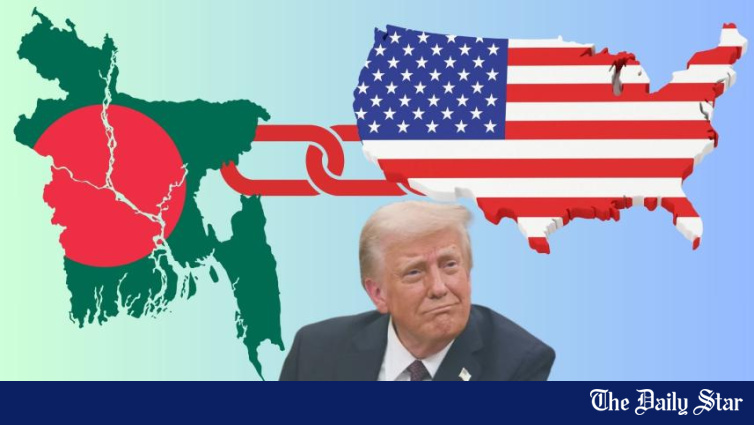
The geopolitical landscape of South Asia is witnessing a renewed vigour as major global powers vie for influence, and Bangladesh has emerged as a crucial battleground. In a significant development, the United States is reportedly intensifying its efforts to counter China’s growing footprint in the strategically vital nation, primarily by offering alternative defence partnerships and equipment. This move signals a deliberate shift in Washington’s engagement strategy, moving beyond past concerns to address what it perceives as an expanding Chinese military and economic sway on India’s eastern flank.
The Shifting Geopolitical Chessboard in South Asia
Bangladesh, with its strategic location at the mouth of the Bay of Bengal and its burgeoning economy, has long been a focal point for regional and global powers. Historically, India has maintained deep ties with Bangladesh, rooted in shared culture, history, and a common liberation struggle. However, in recent decades, China has systematically increased its influence through its Belt and Road Initiative (BRI), investing heavily in infrastructure projects such as ports, power plants, and bridges. Concurrently, Beijing has become Bangladesh’s largest defence supplier, providing a range of military hardware, including submarines, frigates, fighter jets, and various missile systems. This deepening defence relationship has been a cause for concern in both Washington and New Delhi, prompting a reassessment of engagement strategies.
The United States views China’s increasing military presence and its economic statecraft in Bangladesh as part of a broader strategy to expand its geopolitical reach in the Indo-Pacific. Reports suggest that the US administration is now making concerted efforts to present Dhaka with viable alternatives to Chinese military equipment, focusing on systems that enhance maritime security, border defence, and disaster response capabilities. This strategic pivot comes after a period where US-Bangladesh relations were often strained by Washington’s focus on human rights and democratic issues. While these concerns haven’t disappeared, the immediate imperative appears to be countering Chinese strategic inroads.
Washington’s Strategic Pivot: Defence Alternatives and Engagement
The core of the US strategy revolves around offering a compelling package of defence alternatives that go beyond mere arms sales. This includes sophisticated surveillance technology, patrol vessels for coastal security, communication systems, and training programs aimed at modernising Bangladesh’s armed forces. The underlying message is one of partnership and interoperability, aiming to integrate Bangladesh more closely into a regional security framework that aligns with Indo-Pacific objectives. Such alternatives not only seek to reduce Bangladesh’s reliance on Chinese hardware but also to strengthen its capacity to operate independently in key areas like maritime domain awareness.
Crucially, this American outreach is not just about military hardware. It’s often coupled with broader development assistance, educational exchanges, and initiatives promoting transparency and good governance – elements that distinguish it from China’s often condition-free lending. For Bangladesh, diversifying its defence sourcing could offer greater strategic flexibility and reduce its dependence on a single supplier, a move that aligns with its long-standing foreign policy of non-alignment and balancing external relations. This complex dynamic underscores the delicate position Dhaka finds itself in, navigating competing interests while safeguarding its national sovereignty and developmental aspirations.
“Bangladesh finds itself at the heart of a major geopolitical competition, and its decisions on security partnerships will have significant ramifications for the entire Bay of Bengal region,” notes Dr. Rohan Gupta, a Delhi-based foreign policy expert. “While China offers quick capital and hardware, the US is trying to re-establish itself as a reliable, long-term partner, potentially offering higher-end technology and better interoperability, which is a powerful draw.”
Implications for Regional Stability and India
For India, the unfolding US-China competition in Bangladesh is of paramount importance. As a close neighbour and strategic partner, New Delhi has a vested interest in the stability and security of Bangladesh and the broader Bay of Bengal. An increased US presence, while aimed at countering China, could also lead to a more militarised neighbourhood, prompting India to carefully calibrate its own responses. India has been proactive in engaging Bangladesh through defence cooperation, offering credit lines for military procurements, and conducting joint exercises, aiming to be Bangladesh’s preferred security partner.
The US initiative could, in a way, complement India’s own efforts to strengthen Bangladesh’s capabilities and reduce Chinese influence. However, it also presents a nuanced challenge for India: ensuring that its own security interests are not overshadowed or complicated by increased external power competition on its doorstep. Bangladesh, in turn, will likely continue its astute balancing act, leveraging the interest from multiple powers to secure the best deals for its development and defence needs, while meticulously safeguarding its sovereign space amidst the rising geopolitical tides.
The move by the US to offer defence alternatives to Bangladesh signals a more assertive American strategy in the Indo-Pacific, directly addressing China’s expanding influence. For Bangladesh, it opens new avenues for security partnerships but also places it at the nexus of a significant geopolitical rivalry. For India, a close observer and key regional player, this evolving dynamic necessitates a vigilant and adaptive foreign policy to ensure regional stability and safeguard its own strategic interests in its immediate neighbourhood.

