


Talk about an unexpected plot twist in international relations! Just when you thought you had a handle on the intricate dance between global powers, the United States has made a surprising move: granting permission for a Russian oil tanker to sail into Cuban waters, specifically to help ease a deepening energy crisis on the island. It’s a decision that cuts across years of strained diplomatic ties and strict sanctions, highlighting the complex interplay of humanitarian concerns and geopolitical realities.
A Pragmatic Exception Amidst Tensions
For decades, U.S. policy towards Cuba has been a tight knot of sanctions and diplomatic isolation, particularly concerning its economic lifelines. And in the current global climate, relations between Washington and Moscow are, to put it mildly, frosty. So, the green light for a Russian vessel – typically subject to a web of sanctions itself – to deliver crucial fuel to Cuba isn’t just unusual; it’s a significant deviation. This isn’t a softening of broader policy, nor a sudden warming of relations with either Cuba or Russia. Instead, it appears to be a highly targeted, pragmatic decision driven by an urgent need to prevent a humanitarian breakdown.
The move suggests a nuanced approach where immediate human suffering takes precedence over long-standing political antagonisms. It’s a testament to the idea that sometimes, even adversaries can find common ground, or at least a temporary truce, when faced with overwhelming human need. The U.S. seems to be signaling that while its core policies remain, there’s a capacity for flexibility when crisis looms large.
Cuba’s Dire Straits: A Crisis Unfolding
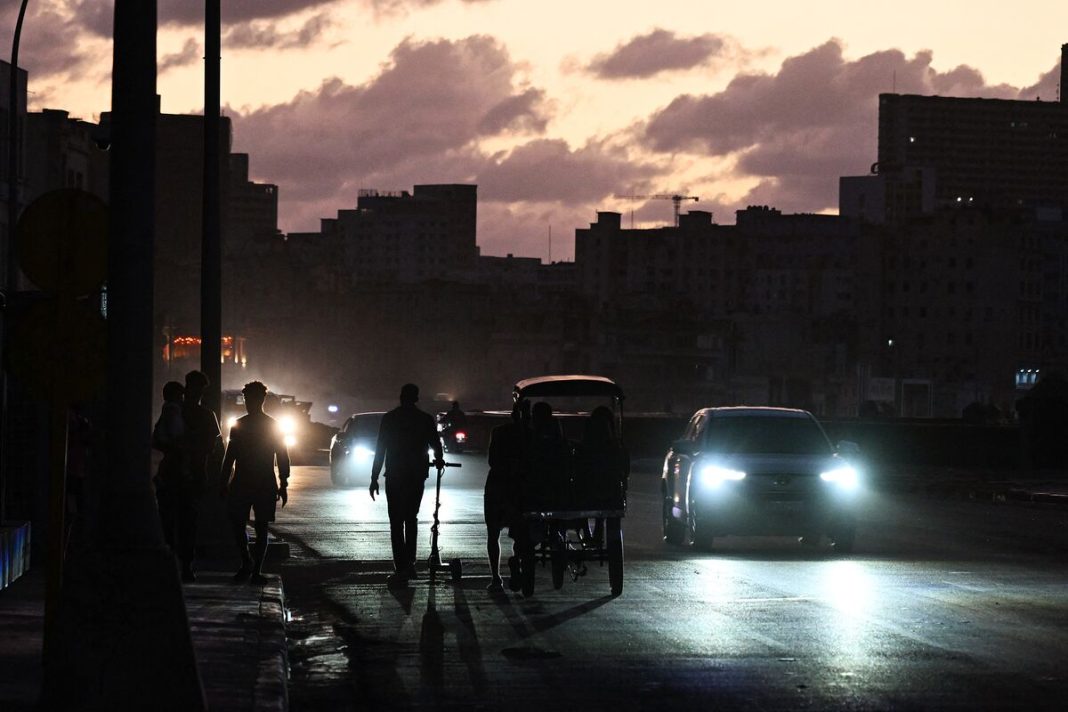
The reason behind this extraordinary measure is Cuba’s increasingly desperate energy situation. The island nation has been grappling with severe fuel shortages, leading to widespread power outages that cripple daily life, disrupt essential services, and compound existing economic hardships. Imagine enduring hours-long blackouts daily, struggling to power homes, businesses, and hospitals. This isn’t just an inconvenience; it’s a profound challenge to the fabric of society, threatening public health, food distribution, and overall stability.
The lack of consistent fuel impacts everything from public transport to agricultural production, creating a domino effect that exacerbates food insecurity and limits access to clean water. Without the necessary oil, Cuba’s infrastructure struggles to function, pushing its citizens to the brink. This palpable sense of crisis has seemingly prompted the U.S. to make an exception, recognizing that the human cost of inaction could be far greater than the political implications of a temporary waiver.
Navigating the Geopolitical Minefield
This decision, while rooted in humanitarian concerns, is undoubtedly a delicate balancing act on the international stage. It raises questions about how such a move will be perceived by allies and adversaries alike, and whether it sets a precedent for future interventions. The U.S. is essentially saying, “We can be firm on principle, but flexible in crisis.”
As one seasoned geopolitical observer commented, “This isn’t about friendship; it’s about averting a humanitarian catastrophe while navigating a minefield of international relations. It’s a calculated risk with immediate benefits for the Cuban people, but also a careful message to the world about American pragmatism.” The challenge now will be to ensure this temporary measure doesn’t inadvertently undermine broader strategic goals or create unintended diplomatic ripples. It’s a powerful reminder that global politics are rarely black and white, often demanding complex solutions to even more complex problems.
Ultimately, the U.S. decision to allow a Russian oil tanker into Cuba is a stark illustration of how real-world crises can force pragmatic shifts in foreign policy. It’s a move that prioritizes the urgent needs of a struggling populace over entrenched political hostilities, offering a fleeting glimpse into a world where humanitarian imperatives can, at times, transcend geopolitical divides. Whether this serves as a blueprint for future engagement or remains a singular exception will be a story for another day, but for now, it’s a lifeline for Cuba.

