


In a significant move that underscores escalating tensions and the complex landscape of international diplomacy, the United States has officially designated Iran as a ‘State Sponsor of Wrongful Detention’. This unprecedented classification, announced by the US State Department, marks a new frontier in Washington’s strategy to combat what it describes as Iran’s “hostage diplomacy.” For countries like India, which navigate a delicate balance in their geopolitical relationships, this development carries notable implications, particularly concerning international legal norms and the safety of their citizens abroad.
The New Designation: A Hammer Against “Hostage Diplomacy”
The designation of Iran as a ‘State Sponsor of Wrongful Detention’ is a direct outcome of the Robert Levinson Hostage Recovery and Hostage-Taking Accountability Act. Named after a former FBI agent who disappeared in Iran in 2007, the Act empowers the US government to identify and sanction states involved in the unlawful detention of American citizens. This is distinct from the long-standing ‘State Sponsor of Terrorism’ designation, focusing specifically on the detention of foreign nationals, often dual citizens, as leverage in diplomatic or financial negotiations.
The US State Department underscored that this designation serves as a clear warning to Americans travelling to Iran and aims to impose further pressure on the Iranian regime. It highlights Iran’s persistent pattern of detaining individuals on spurious charges, frequently denying them due process and consular access, using them as bargaining chips. While the immediate practical consequences might involve enhanced travel advisories, increased scrutiny, and potential sanctions targeted at individuals or entities involved in such detentions, its primary objective is to alter Iran’s behaviour by isolating it further on the global stage for these specific human rights abuses. This move reflects a growing frustration within Washington over the inability to secure the release of several Americans currently held in Iran.
Senator Rubio’s Stance and the Call for Accountability
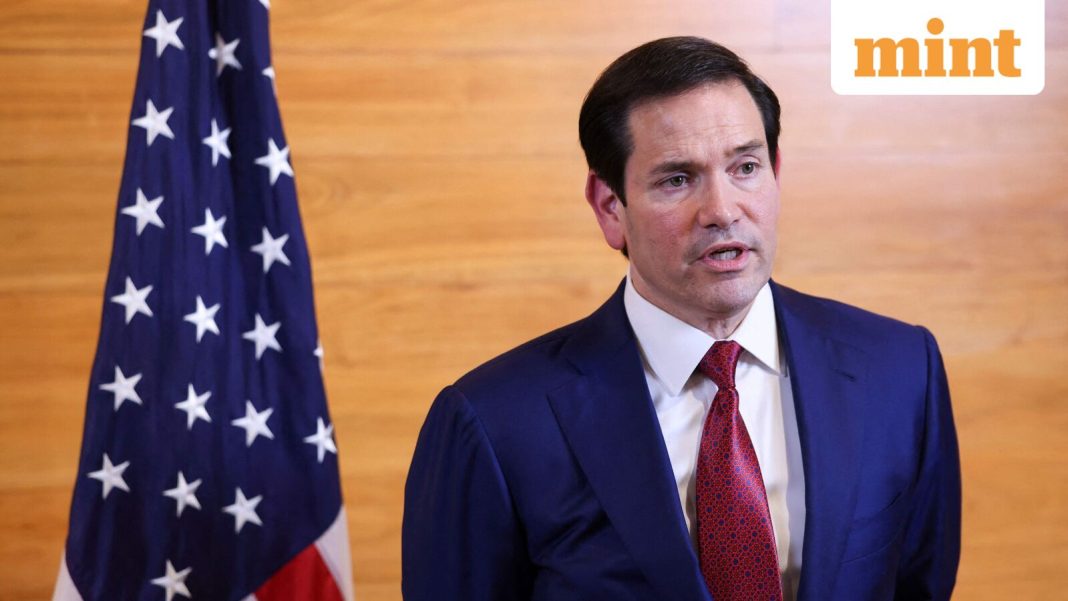
A prominent voice advocating for this designation has been Senator Marco Rubio (R-FL), a vocal critic of the Iranian regime. Following the announcement, Senator Rubio emphasised the necessity of such a measure to address Iran’s consistent violations of international norms. He has long championed efforts to hold Iran accountable for its human rights record and its use of detentions as a tool of statecraft.
Commenting on the designation, Senator Rubio stated: “This new designation of Iran as a ‘state sponsor of wrongful detention’ is a critical step in isolating the regime and holding them accountable for their barbaric practice of taking Americans hostage.” His remarks underscore the bipartisan consensus in the US that Iran’s actions constitute a grave breach of international law and human dignity. Rubio and other proponents believe that by formally recognising Iran’s actions, the US can galvanise international support and create a united front against such practices. This move is seen not just as a diplomatic condemnation but as a strategic effort to dismantle Iran’s capacity to engage in what many term ‘hostage diplomacy’ without severe repercussions.
Implications for India and the Global Landscape
For India, a nation with significant geopolitical interests and a large diaspora across the globe, such a designation against Iran carries multi-layered implications. India maintains a complex, strategic relationship with Iran, notably through ventures like the Chabahar Port, which is vital for regional connectivity and accessing Afghanistan and Central Asia. While this US designation specifically targets Iran’s detention of US nationals, the underlying principle of wrongful detention resonates globally.
India, as a strong advocate for the safety and welfare of its citizens abroad, particularly stresses consular access and fair legal processes. The US designation, though not directly impacting India-Iran relations in terms of sanctions, adds another layer of complexity to India’s foreign policy calculations. It highlights the inherent risks for foreign nationals operating in regions where geopolitical tensions are high and where legal systems may be perceived as opaque or politically influenced. Indian authorities will undoubtedly observe how this designation affects international legal discourse and the protection of diaspora communities worldwide. While India generally maintains its sovereign right to engage with nations as it deems fit, such a strong US stance undeniably contributes to a global environment that requires careful diplomatic navigation to protect both strategic interests and the rights of its citizens.
Conclusion
The US designation of Iran as a ‘State Sponsor of Wrongful Detention’ represents a significant shift in diplomatic strategy, aimed at specifically addressing Iran’s practice of detaining foreign nationals. With Senator Marco Rubio’s strong advocacy and the broader US government’s commitment, this move underscores a hardening stance against what is viewed as a systemic abuse of human rights and international law. For India and other nations, this development is a reminder of the fragility of international relations and the enduring challenge of safeguarding citizens in volatile geopolitical climates. The effectiveness of this designation in altering Iran’s behaviour remains to be seen, but it unequivocally signals Washington’s intent to employ every available tool to combat perceived injustices on the global stage.

