


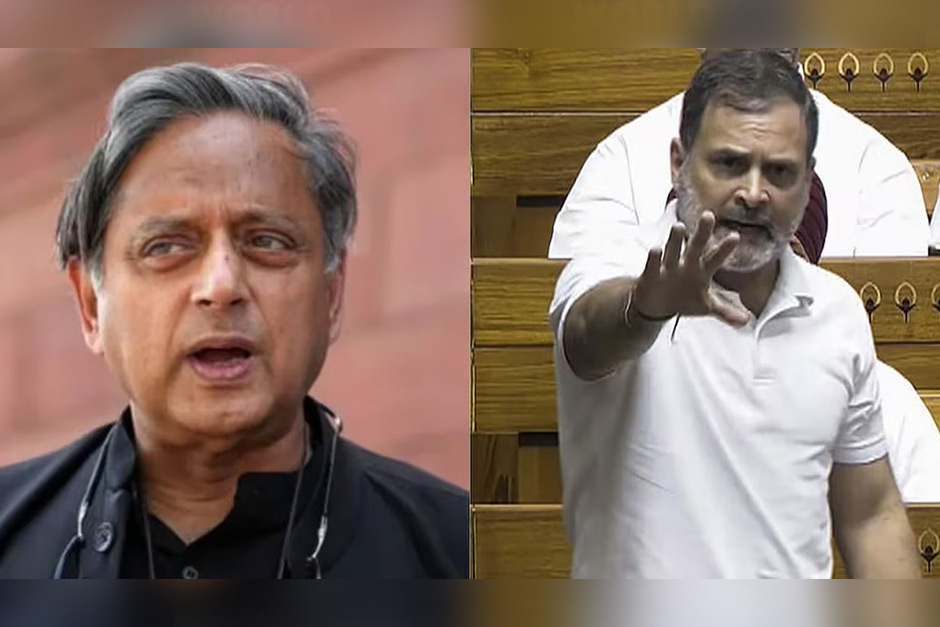
The intricate tapestry of Indian politics is often woven with threads of alliance, ambition, and occasional discontent. A recent episode involving senior Congress leader Shashi Tharoor has once again brought these dynamics into sharp focus. Tharoor, known for his articulate presence and intellectual prowess, reportedly gave a crucial All India Congress Committee (AICC) strategy meeting a miss, opting instead to attend a literary festival. This absence, coming shortly after a perceived ‘snub’ from former party president Rahul Gandhi during his Kerala visit, has ignited widespread speculation about underlying tensions within the grand old party, especially concerning the recognition and utilisation of its prominent figures.
The Perceived ‘Snub’ and Growing Discontent
The genesis of the current speculation traces back to Rahul Gandhi’s recent two-day visit to Kerala. While Gandhi engaged in various public and party events across the state, including Palakkad, a district neighboring Tharoor’s constituency of Thiruvananthapuram, reports indicated a conspicuous lack of direct engagement with the three-time MP. Sources close to Tharoor suggested a feeling of marginalisation, particularly after his robust, albeit unsuccessful, bid for the Congress presidential post. Despite his national profile and appeal, there has been a recurring sentiment that Tharoor is often sidelined in key party decision-making processes, especially concerning his home state.
This feeling of being overlooked appears to have culminated in Tharoor’s decision to skip the AICC’s crucial meeting in Delhi, convened to strategise for the upcoming Lok Sabha elections and address the drought situation in various states. The meeting saw the presence of top Congress leadership, including party president Mallikarjun Kharge, Rahul Gandhi, and various general secretaries and state in-charges. Tharoor’s absence from such a high-stakes gathering, particularly when the party is striving for unity and cohesion ahead of a major electoral battle, has sent ripples through the political landscape.
A Literary Stage Over Political Strategy
Instead of joining the party brass in Delhi, Tharoor chose to immerse himself in the world of letters, reportedly attending the Jaipur Literature Festival – a platform where he is a regular and revered speaker. While Tharoor’s commitment to literary pursuits is well-known and celebrated, his prioritisation of a non-political event over a critical party meeting has been widely interpreted as a clear signal of his displeasure. For a politician of his stature, every public appearance and absence is meticulously scrutinised, and this particular choice is seen by many as a deliberate, albeit subtle, expression of dissent.
The optics are challenging for the Congress party. At a time when the leadership is attempting to project a united front against the ruling dispensation, such visible signs of internal friction can prove detrimental. Political analysts suggest that Tharoor’s actions highlight a deeper issue within the Congress: the perceived failure to adequately recognise and integrate leaders who operate outside the established inner circles. “This isn’t merely about a missed meeting; it reflects a broader sentiment among certain leaders who feel their contributions and stature are not fully valued by the high command,” remarked a veteran political observer, preferring anonymity.
Implications for Party Unity and Future Dynamics
The incident has inevitably sparked conversations about its potential impact on Congress unity, especially in Kerala, a state where the party holds significant sway. Tharoor’s popularity, particularly among the youth and urban voters, is undeniable. Any sustained feeling of neglect could lead to disaffection among his supporters, potentially affecting the party’s electoral prospects. The Congress, grappling with numerous challenges on the national stage, can ill-afford internal strife that could erode its base.
For the Congress leadership, the challenge lies in effectively managing internal aspirations and perceived grievances while projecting a strong, unified image. The party has a history of navigating such internal tensions, but with the 2024 Lok Sabha elections looming large, the stakes are exceptionally high. Whether this episode is a momentary expression of frustration that will eventually be smoothed over, or a precursor to more significant internal realignments, remains to be seen. What is clear, however, is that the delicate balance of power and influence within the Indian National Congress continues to be a subject of intense scrutiny and speculation, with leaders like Shashi Tharoor often at the epicentre of these discussions.
In conclusion, the episode surrounding Shashi Tharoor’s absence from a crucial Congress meeting, reportedly driven by perceived slights, underscores the complex internal dynamics at play within one of India’s oldest political parties. As the Congress prepares for pivotal electoral battles, addressing such visible signs of discontent and ensuring all its prominent voices feel heard and valued will be crucial for presenting a cohesive and formidable challenge. The ball, it seems, is now in the court of the Congress high command to bridge these perceived gaps and foster a renewed sense of unity.

