


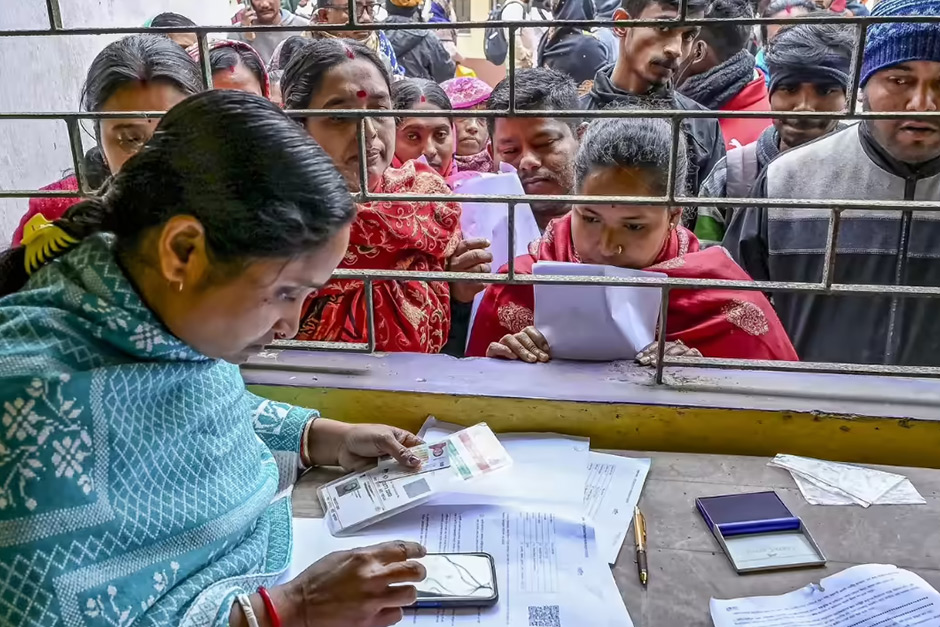
Uttar Pradesh, India’s most populous state, is once again at the forefront of a monumental administrative exercise. As preparations for the 2026 electoral rolls gather pace, the Election Commission of India (ECI) has revealed staggering figures from the draft revision. A massive 2.89 crore voters have been removed from the state’s draft electoral roll, a significant purge aimed at enhancing the accuracy and integrity of the democratic process. Among these deletions, a sobering 46.23 lakh individuals have been declared deceased, underscoring the continuous challenge of maintaining an up-to-date voter database in a dynamic population.
The Unprecedented Scale of Electoral Roll Cleansing
The latest draft electoral roll revision for Uttar Pradesh, slated for 2026, showcases an unparalleled effort to refine the voter database. Out of the 2.89 crore deletions, the largest chunk, approximately 1.83 crore entries, were removed due to transfers within constituencies or from one constituency to another. Another 59.90 lakh entries were identified as duplicate registrations, a common issue arising from individuals registering at multiple addresses or minor variations in their details. However, the most striking and somber figure remains the 46.23 lakh voters officially declared deceased. This extensive cleanup, initiated through a rigorous house-to-house survey and detailed verification process by Booth Level Officers (BLOs), is a critical step towards ensuring that the electoral roll accurately reflects the eligible voting population.
The Election Commission emphasizes that such revisions are not merely routine but fundamental to the democratic framework. An accurate electoral roll prevents fraudulent voting, reduces logistical complexities during elections, and ensures that every legitimate vote cast carries its true weight. While the deletions are substantial, the process also saw the addition of 1.47 crore new voters, including a significant number of first-time electors and those who had previously been left out. This continuous cycle of addition and deletion is essential for a state of Uttar Pradesh’s demographic scale and mobility.
The Meticulous Process Behind the Purity Drive
Maintaining the sanctity of the electoral roll is a multi-layered task, particularly in a state as vast and diverse as Uttar Pradesh. The revision process for the UP SIR (Special Intensive Revision) Draft 2026 involved an intensive campaign where BLOs visited every household. They collected data, verified existing entries, and identified discrepancies. Deceased voters are typically identified through reports from family members, local civic bodies, or cross-referencing with death registration data. Duplicate entries are flagged through advanced software algorithms that compare various data points, while transfers are noted when voters move residences.
This painstaking exercise is not without its challenges. Ensuring that no eligible voter is inadvertently removed and that every deletion is thoroughly verified requires immense administrative vigilance. The ECI’s guidelines mandate that deletions, especially those concerning deceased voters, must be cross-checked multiple times before finalisation. Transparency is paramount, with draft rolls published for public objections and claims, allowing citizens to rectify any errors or register their grievances. This participatory approach adds another layer of scrutiny and helps build public trust in the electoral process.
Speaking on the importance of such rigorous reviews, a senior ECI official, who wished to remain unnamed, stated, “The integrity of our elections hinges entirely on the accuracy of our voter lists. This comprehensive revision, though massive in scale, is a testament to our unwavering commitment to free and fair polls. Every deletion is meticulously verified to ensure only genuine inaccuracies are rectified, safeguarding the right to vote for all eligible citizens.” This sentiment underscores the delicate balance between cleansing the roll and protecting voter rights.
The “UP SIR Draft 2026” exercise, marked by the removal of 2.89 crore voters and the declaration of 46.23 lakh deceased individuals, highlights the relentless effort required to uphold electoral accuracy in India. This large-scale revision is more than just a bureaucratic task; it is a foundational pillar of democratic governance, ensuring that the electoral landscape of Uttar Pradesh remains robust and representative. As the state moves closer to its future electoral cycles, these intensive revisions will continue to play a crucial role in strengthening the democratic fabric, one accurately recorded voter at a time.

