


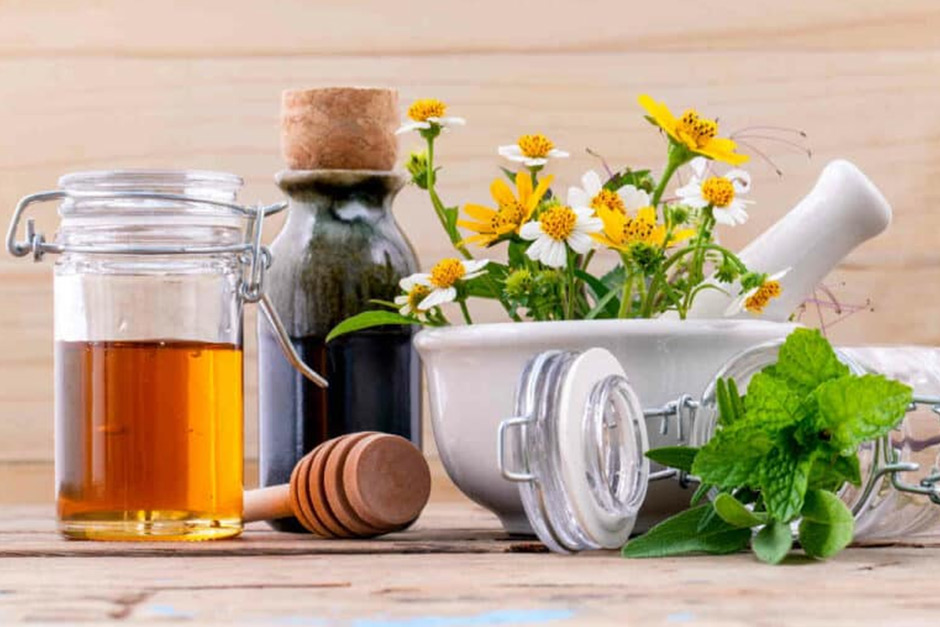
For countless generations, communities across the globe have turned to nature for healing. Long before the advent of modern pharmaceuticals, traditional herbal remedies were the cornerstone of health and wellness, passed down through oral traditions and ancient texts. Today, as scientific curiosity meets ancestral knowledge, researchers are meticulously dissecting these age-old practices, aiming to unlock the precise mechanisms behind their often-observed benefits.
Bridging Ancient Wisdom with Modern Inquiry
The journey to understand a traditional herbal remedy often begins with ethnobotany, the study of how people use plants. Scientists visit communities where these remedies are still in practice, meticulously documenting the plants used, their preparation methods, dosages, and the conditions they are meant to address. This careful observation is crucial, as it provides invaluable starting points for laboratory investigation.
Once a promising plant is identified, the real scientific detective work begins. It’s a complex process that moves from the field to the lab, seeking to validate the anecdotal evidence with rigorous scientific data. This isn’t about discrediting tradition, but rather about understanding it through a new lens. As one researcher put it, “It’s not about proving ancient wisdom wrong or right, but about understanding how and why it might work through a modern lens. We respect the tradition while applying scientific rigor.“
Deconstructing Nature’s Pharmacy: The Scientific Quest
The next phase involves isolating and identifying the specific chemical compounds within the plant material. This often requires sophisticated techniques like chromatography, which separates mixtures into individual components, and spectroscopy, which helps determine their molecular structures. A single plant can contain hundreds, even thousands, of different compounds, making the task akin to finding a needle in a haystack – or rather, finding the specific “active ingredients” responsible for the observed effects.
Once isolated, these compounds are tested in vitro (in test tubes or cell cultures) and in vivo (in living organisms, typically animal models). Researchers investigate how these molecules interact with biological systems: Do they reduce inflammation? Do they inhibit bacterial growth? Do they influence cellular pathways related to a particular disease? This stage aims to pinpoint the exact mechanism of action, moving beyond “it works” to “this is how it works at a molecular level.”
Validation and the Future of Natural Science
Successfully identifying active compounds and their mechanisms opens the door to further research, including clinical trials in humans. These trials are essential for confirming efficacy, determining safe and effective dosages, and understanding potential side effects. The goal is to move beyond empirical knowledge to evidence-based understanding, potentially leading to new standardized herbal medicines or even inspiring the development of novel synthetic drugs based on natural templates.
This scientific exploration into traditional remedies is a testament to the enduring power of nature and human observation. It represents a fascinating intersection of ancient wisdom and cutting-edge science, offering the potential to uncover new solutions for modern health challenges, building upon millennia of accumulated knowledge.
*

