


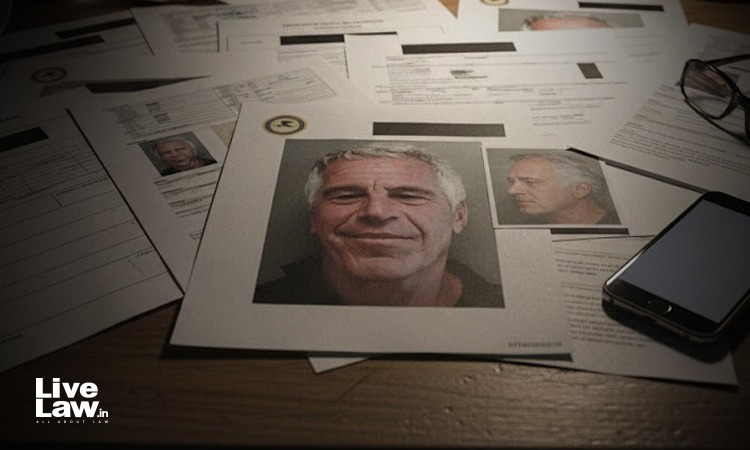
In a significant development underscoring the escalating concerns surrounding online defamation and misinformation, Shapna Puri, daughter of Union Minister for Housing and Urban Affairs and Petroleum & Natural Gas, Hardeep Singh Puri, has approached the Delhi High Court. She has filed a lawsuit seeking the immediate removal of allegedly defamatory content circulating online that links her to the late American financier and convicted sex offender, Jeffrey Epstein. The legal action highlights the serious repercussions of unsubstantiated claims in the digital age, particularly when they target public figures and their families, leading to immense reputational damage and personal distress.
The petition, filed before the Delhi High Court, seeks not only the removal of the offensive content but also a permanent injunction against the dissemination of similar material in the future. This move by Ms. Puri signals a strong stance against the proliferation of baseless allegations that leverage the internet’s reach to tarnish individuals’ reputations without verifiable evidence. The case is expected to draw considerable attention to the efficacy of legal mechanisms in combating digital defamation within the Indian legal framework.
The Allegations and Legal Recourse
The core of Shapna Puri’s petition revolves around a series of online posts, articles, and social media content that she alleges falsely and maliciously associate her with Jeffrey Epstein. These allegations, according to the plea, are entirely unsubstantiated, fabricated, and designed to inflict maximum damage on her personal and professional standing. The content, reportedly spread across various platforms, paints a grim picture, implying connections that Ms. Puri vehemently denies as utterly false and defamatory. Such claims, especially those involving figures like Epstein, carry immense social stigma and can irreparably harm an individual’s public image and mental well-being.
Ms. Puri’s legal team has emphasized that the impugned content has caused her immense humiliation, mental agony, and professional setbacks. The lawsuit seeks relief under various provisions of Indian law, including those related to defamation, invasion of privacy, and the right to reputation, which is considered an intrinsic part of the right to life under Article 21 of the Indian Constitution. The petition specifically requests an interim injunction compelling the immediate removal of all such defamatory content from online platforms and restraining its future publication or circulation by any means. This legal challenge underscores the urgent need for robust digital accountability in an era where information, true or false, can spread globally within minutes.
Delhi High Court’s Observations and Broader Implications
During the initial hearings, the Delhi High Court has taken cognizance of the serious nature of the allegations and the potential for irreparable harm caused by online defamation. While specific details of the court’s precise observations are awaited, such cases typically involve a careful balancing act between the fundamental right to freedom of speech and expression and an individual’s right to dignity and reputation. Courts often scrutinize whether the content is prima facie false and malicious, and if its continued dissemination would cause irreparable damage.
A legal expert, commenting generally on such matters, observed, “The digital landscape presents unique challenges for defamation law. The speed and reach of information online mean that false accusations can go viral before victims even become aware, making rapid legal intervention crucial to mitigate harm.” This case resonates with a growing trend in India where public figures and their families are increasingly targeted by smear campaigns and disinformation, often with political undertones or personal vendettas. The ability to identify the originators of such content and hold platforms accountable remains a significant hurdle in the fight against online abuse.
The outcome of Ms. Puri’s petition will have broader implications for how Indian courts address online defamation, particularly concerning prominent individuals. It could set a precedent for the speedy removal of unverified content and reinforce the responsibility of social media intermediaries to act decisively against malicious posts. As India grapples with the spread of misinformation, this case serves as a powerful reminder of the importance of maintaining digital hygiene and upholding journalistic ethics, even on informal platforms.
Shapna Puri’s decision to pursue legal action against ‘defamatory’ content linking her to Jeffrey Epstein is a potent illustration of an individual’s fight for reputation and truth in the digital age. As the Delhi High Court proceeds with the matter, the case highlights the critical need for vigilance against misinformation and the robust application of legal remedies to protect individuals from unsubstantiated and damaging online accusations.

