


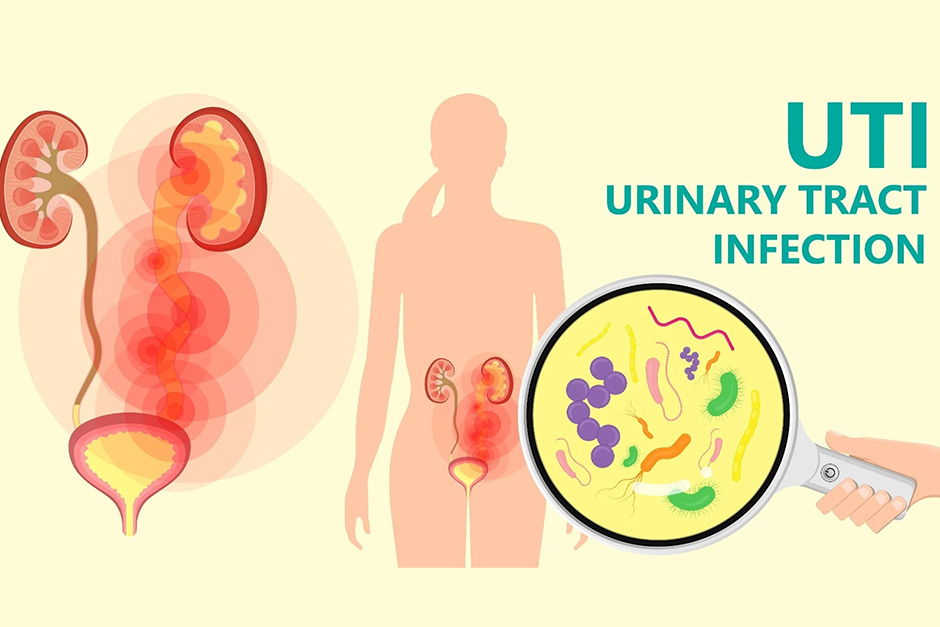
Urinary Tract Infections (UTIs) are among the most common bacterial infections globally, affecting millions each year. In India, where healthcare access and awareness vary widely, these infections often present unique challenges, particularly when managed in diverse care settings—from homes to community clinics. While some UTIs can be severe, a significant proportion falls under the category of “uncomplicated UTIs,” which, despite their benign label, demand prompt and accurate management to prevent recurrence and the potentially serious public health threat of antimicrobial resistance (AMR).
Understanding Uncomplicated UTIs
An uncomplicated UTI typically refers to an acute bacterial infection of the bladder (cystitis) or urethra (urethritis) in healthy, non-pregnant women with no known structural or functional abnormalities of the urinary tract. Symptoms are usually localised and include a frequent and urgent need to urinate, a burning sensation during urination (dysuria), and sometimes lower abdominal discomfort or cloudy urine. Unlike complicated UTIs, which might involve fever, back pain, or kidney involvement (pyelonephritis), uncomplicated cases are generally self-limiting but cause significant discomfort and disruption to daily life.
The prevalence of UTIs is significantly higher in women due to their shorter urethra, which provides bacteria easier access to the bladder. In India, societal factors, hygiene practices, and a tendency to dismiss early symptoms can exacerbate the problem. Many individuals might initially resort to home remedies or over-the-counter medications without a proper diagnosis, potentially masking symptoms or contributing to the development of resistant strains.
Challenges in Indian Care Settings and AMR
The management of uncomplicated UTIs in India is multifaceted, involving a spectrum of care providers from family members in home settings to trained professionals at primary healthcare centres (PHCs) and private clinics. A primary challenge lies in the lack of awareness regarding the importance of timely and appropriate medical intervention. Often, symptoms are endured until they become debilitating, delaying the start of effective treatment.
Another critical concern is the widespread practice of self-medication or obtaining antibiotics directly from pharmacies without a prescription. This contributes significantly to the growing crisis of antimicrobial resistance (AMR), where common antibiotics become ineffective against bacterial infections. In care settings, especially at the primary level, empirical treatment (prescribing antibiotics based on common symptoms without laboratory testing) is often necessitated by limited access to diagnostic facilities like urine culture and sensitivity tests, which accurately identify the causative bacteria and their susceptibility to different antibiotics.
Dr. Priya Sharma, a General Physician based in Delhi, highlights this pressing issue: “In the Indian context, delayed presentation and inappropriate self-medication for UTIs are significant contributors to rising antimicrobial resistance. Educating both patients and primary caregivers on early symptoms and the importance of professional medical consultation is paramount,” she states. This emphasizes the need for a collaborative approach involving patients, caregivers, and healthcare providers to ensure responsible antibiotic use and better health outcomes.
Effective Management and Prevention Strategies
The cornerstone of managing uncomplicated UTIs begins with prompt medical consultation. A healthcare professional can accurately diagnose the infection, often through a simple urine dipstick test and clinical evaluation. While urine culture and sensitivity testing are ideal for guiding antibiotic choices, especially in recurrent cases, empirical treatment with short-course antibiotics like nitrofurantoin, fosfomycin, or trimethoprim-sulfamethoxazole remains common for uncomplicated cases, tailored to local resistance patterns.
Crucially, patients must be counselled on the importance of completing the full course of antibiotics, even if symptoms improve quickly. This helps eradicate the infection entirely and reduces the risk of recurrence and resistance. Hydration is key; drinking plenty of water helps flush bacteria from the urinary tract. Maintaining good hygiene, such as wiping front to back after using the toilet and urinating after sexual intercourse, are simple yet effective preventive measures. For women, avoiding irritating feminine products can also help. In the Indian context, promoting access to clean sanitation facilities and raising public awareness about personal hygiene are vital public health initiatives.
Caregivers, whether family members or community health workers, play a vital role in identifying symptoms early, encouraging medical consultation, and ensuring adherence to treatment and preventive practices. Educating them about red-flag symptoms (like fever, back pain, or nausea) that might indicate a complicated UTI requiring immediate advanced care is equally important.
Conclusion
Uncomplicated Urinary Tract Infections, though common, demand a nuanced and informed approach, particularly in a diverse healthcare landscape like India. By fostering greater awareness, promoting responsible antibiotic stewardship, and ensuring timely access to professional medical care, we can effectively manage these infections, alleviate patient discomfort, and collectively contribute to the critical fight against antimicrobial resistance. The pathway to better urinary health in India lies in informed decisions and collaborative care.

