


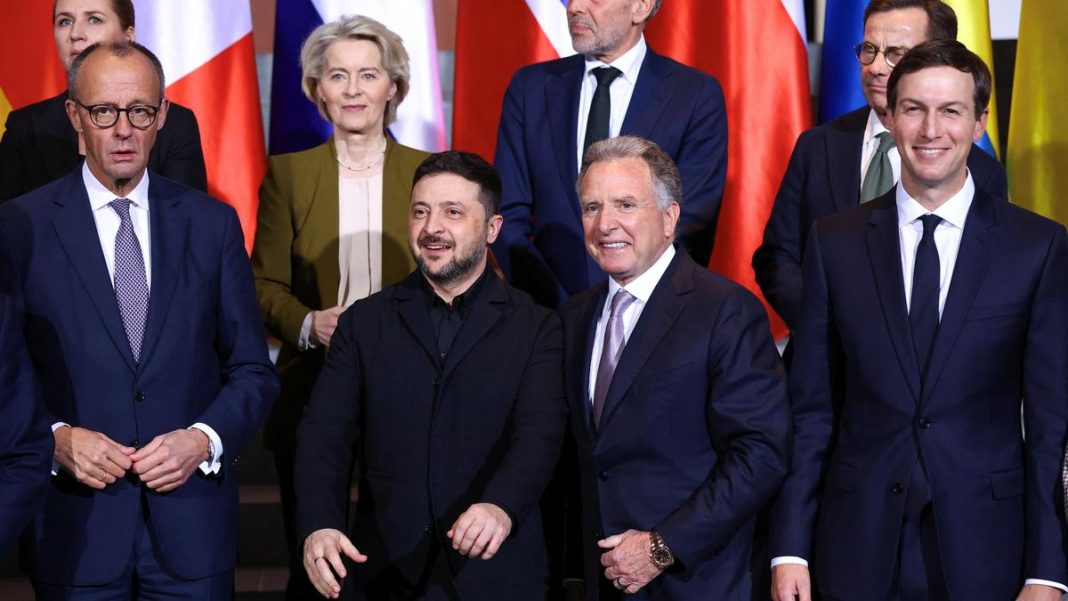
In a significant development that could reshape the trajectory of the ongoing conflict in Eastern Europe, U.S. officials have reportedly indicated that Washington has agreed to provide Ukraine with security guarantees as part of potential peace talks. This move, emerging amidst persistent efforts to find a diplomatic resolution, signals a nuanced shift in the Western approach and carries profound implications for international security and the intricate geopolitical landscape. For India, a nation steadfast in its call for dialogue and de-escalation, this development warrants close observation, balancing its strategic autonomy with its evolving global partnerships.
The Contours of Proposed Security Guarantees
The concept of “security guarantees” in this context is distinct from the collective defence pact enshrined in NATO’s Article 5, which mandates direct military intervention if a member state is attacked. Instead, the proposed U.S. guarantees for Ukraine are anticipated to encompass a robust framework of military and financial assistance, intelligence sharing, and expedited arms deliveries to bolster Ukraine’s defensive capabilities. This would likely involve a commitment to assist Ukraine in rebuilding its military and ensuring its long-term ability to deter aggression.
Crucially, these guarantees are expected to be offered in exchange for Ukraine’s commitment to neutrality, potentially foregoing future aspirations for NATO membership – a key demand from Russia that historically escalated tensions. While the specifics are still under discussion, observers suggest the framework could resemble bilateral defence agreements rather than a multilateral security treaty. Beyond the U.S., other Western powers like the UK, Germany, France, and Turkey are also reportedly considering offering similar assurances, aiming to create a robust deterrent against future aggression without directly involving NATO in the conflict. This nuanced approach seeks to provide Ukraine with a credible security umbrella while avoiding a direct military confrontation between NATO and Russia, a scenario both sides have sought to avert.
Geopolitical Implications and India’s Strategic Lens
The U.S. offer carries immense geopolitical weight. For Russia, it presents a critical juncture: either to view these guarantees as a genuine path to de-escalation and a stable long-term settlement, or as a continued Western attempt to arm and influence Ukraine, albeit outside NATO. The success of any peace deal will hinge on Moscow’s perception of these guarantees and whether they adequately address its own long-standing security concerns regarding NATO expansion.
For the wider international community, this development highlights the complexities of resolving prolonged conflicts. It underscores the potential for innovative diplomatic solutions that move beyond traditional military alliances. China, a key global player with significant influence on Russia, will also be closely watching, as its own stance on sovereignty and territorial integrity continues to evolve amidst the conflict.
From an Indian perspective, the situation presents a delicate balance. India has consistently advocated for diplomacy and a peaceful resolution, abstaining from bloc politics and maintaining strategic autonomy. The potential for a stable, albeit complex, resolution in Ukraine aligns with India’s long-term interest in a multipolar world order less prone to major power confrontations. However, India’s strategic ties with Russia, particularly in defence and energy, remain significant. Any shifts in the regional power balance or global sanctions regimes resulting from these talks will necessitate careful calibration of India’s foreign policy.
Commenting on the broader implications, Dr. Meera Shankar, a prominent Indian foreign policy analyst, noted, “This development, while offering a glimmer of hope for de-escalation, underscores the intricate web of geopolitical interests at play. For a durable peace, commitments must be robust and address the core security concerns of all parties, something India has consistently advocated for on the global stage.” Her statement encapsulates India’s pragmatic approach: a cautious optimism coupled with an emphasis on comprehensive, mutually agreeable solutions for lasting stability.
Conclusion: A Path Forward Amidst Uncertainty
The reported agreement by U.S. officials to provide Ukraine with security guarantees marks a potentially pivotal moment in the ongoing conflict. It represents a significant diplomatic manoeuvre aimed at fostering conditions for meaningful peace talks, offering Ukraine a robust defence posture without the direct entanglement of a NATO Article 5 commitment. While the details remain to be ironed out and the path to a lasting peace is fraught with challenges, this development offers a glimmer of hope that a diplomatic off-ramp might be emerging.
For India, a nation deeply invested in global stability and the principles of sovereignty and territorial integrity, this evolving situation calls for continued diplomatic engagement and a vigilant assessment of its ramifications. As the world watches these negotiations unfold, the true test will lie in the willingness of all parties to compromise and commit to a sustainable peace, reshaping the geopolitical contours of the 21st century.

