


The world of drones is constantly abuzz with innovation, but few companies command attention quite like DJI. The Chinese tech giant has long dominated the consumer and professional drone market, consistently pushing boundaries with its aerial technology. However, recent geopolitical tensions, particularly in the United States, have cast a shadow over its operations, with potential bans threatening its access to a crucial market. Against this backdrop, whispers and leaks of two new, seemingly affordable DJI drones have sent ripples across the industry – and intriguingly, these new models appear designed to strategically navigate, or even escape, the looming US restrictions.
Unpacking the Leaks: DJI Mini 4K and Avata 2 Lite
Recent leaks from reputable sources, including industry insiders and certification databases, suggest DJI is poised to release two distinct yet equally compelling new drones: the DJI Mini 4K and the DJI Avata 2 Lite. While official details remain under wraps, the names alone offer significant clues about their potential specifications and target audience.
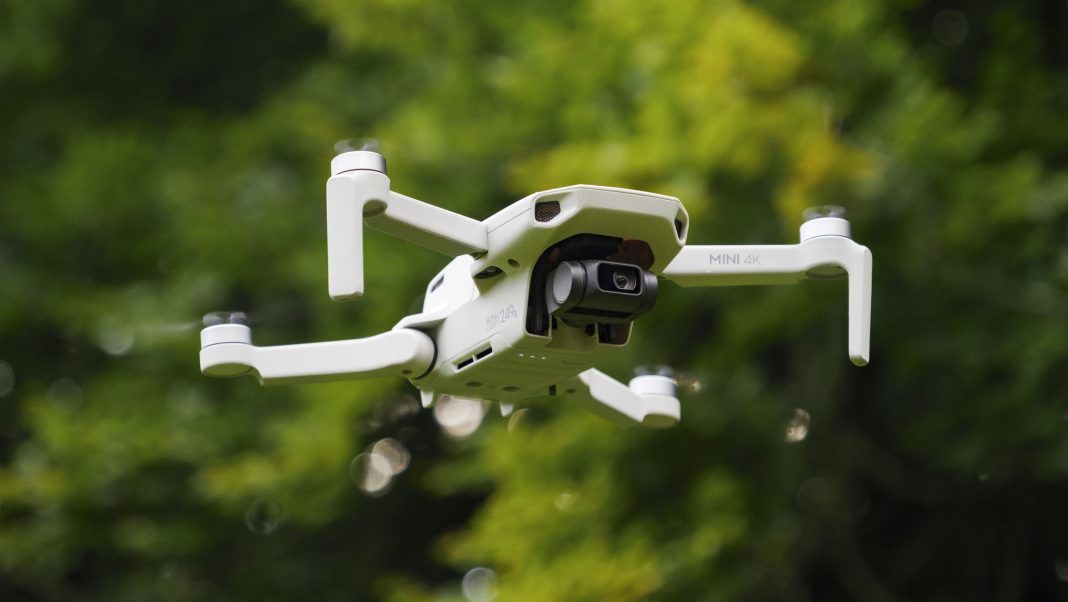
The DJI Mini 4K immediately suggests a return to basics with a powerful upgrade. DJI’s Mini series has been a runaway success, primarily due to its ultra-light design (under 250 grams), which often exempts it from many drone registration requirements globally, including in India. The addition of “4K” indicates that this model will likely offer 4K video recording, a feature that, if paired with an accessible price point, would make it an incredibly attractive entry-level option for hobbyists and budding content creators. Speculation points towards it being a revamped or simplified version of older Mini models, perhaps incorporating more cost-effective components to hit a lower price point without sacrificing core camera performance. Its lightweight nature is a significant advantage, promising ease of portability and less regulatory burden for users worldwide.
The DJI Avata 2 Lite, on the other hand, points to an expansion of DJI’s popular First-Person View (FPV) drone lineup. The original Avata series brought a more user-friendly, ducted-propeller design to the FPV world, making acrobatic flight more accessible. The “Lite” moniker typically signifies a more affordable, perhaps slightly scaled-down version of its premium counterpart. This could mean a more approachable price tag, potentially with slightly reduced battery life, a simpler camera system, or fewer advanced sensors compared to the flagship Avata 2, but still retaining the exhilarating FPV experience. For those curious about FPV flying but deterred by the higher cost of entry, the Avata 2 Lite could be the perfect gateway.
Strategic Moves: Navigating the US Ban Landscape
The most intriguing aspect of these leaks isn’t just the drones themselves, but their timing and potential strategic positioning. The US Congress has recently been pushing for legislation that could severely restrict or outright ban DJI drones, citing national security concerns. This has put immense pressure on DJI to diversify its market strategy and potentially tailor products for specific regions.
It appears these new “affordable” drones might be part of DJI’s ingenious strategy to circumvent some of these impending restrictions. By focusing on simpler, more consumer-grade models, and potentially sourcing components from diverse supply chains, DJI could be creating products that fall outside the strict definitions or scope of any US ban. If these drones are indeed designed with a global market in mind, particularly emphasizing non-US regions like India, they might be less reliant on US-specific technologies or data protocols that have raised security flags.
As Aniket Sharma, a Bengaluru-based independent tech analyst, commented, “DJI’s potential move with the Mini 4K and Avata 2 Lite isn’t just about launching new products; it’s a shrewd strategic pivot. By offering more affordable, possibly streamlined drones, they can solidify their presence in booming markets like India, Southeast Asia, and Europe, effectively hedging against US regulatory headwinds. It’s about market diversification and accessibility.”
An Indian Perspective: Boosting Drone Adoption on Desi Shores
For India, the arrival of affordable, high-quality DJI drones could be a significant game-changer. The Indian drone market is experiencing exponential growth, driven by both recreational enthusiasts and burgeoning commercial applications in agriculture, infrastructure, and logistics. However, price remains a crucial barrier to entry for many potential users.
A DJI Mini 4K with its sub-250g weight would be particularly appealing in India, where the Directorate General of Civil Aviation (DGCA) regulations offer considerable leniency for nano-category drones. New hobbyists would find it easy to fly and register, while content creators could capture stunning 4K footage without breaking the bank. Similarly, the Avata 2 Lite could ignite further interest in FPV flying among Indian youth, offering an exhilarating experience at a more accessible price point than its predecessors or custom-built FPV rigs.
These new offerings could democratize drone technology further in India, making aerial photography, videography, and even just the sheer joy of flying, accessible to a wider demographic. It underscores DJI’s understanding of global market dynamics beyond just the US, recognizing the immense potential in developing economies.
While official announcements are still pending, the leaks paint an exciting picture. DJI appears to be making a calculated move to broaden its appeal and secure its global footprint amidst geopolitical challenges. For drone enthusiasts and professionals in India and beyond, these affordable new models could signal a new era of accessibility and innovation, irrespective of where geopolitical winds may blow.

