


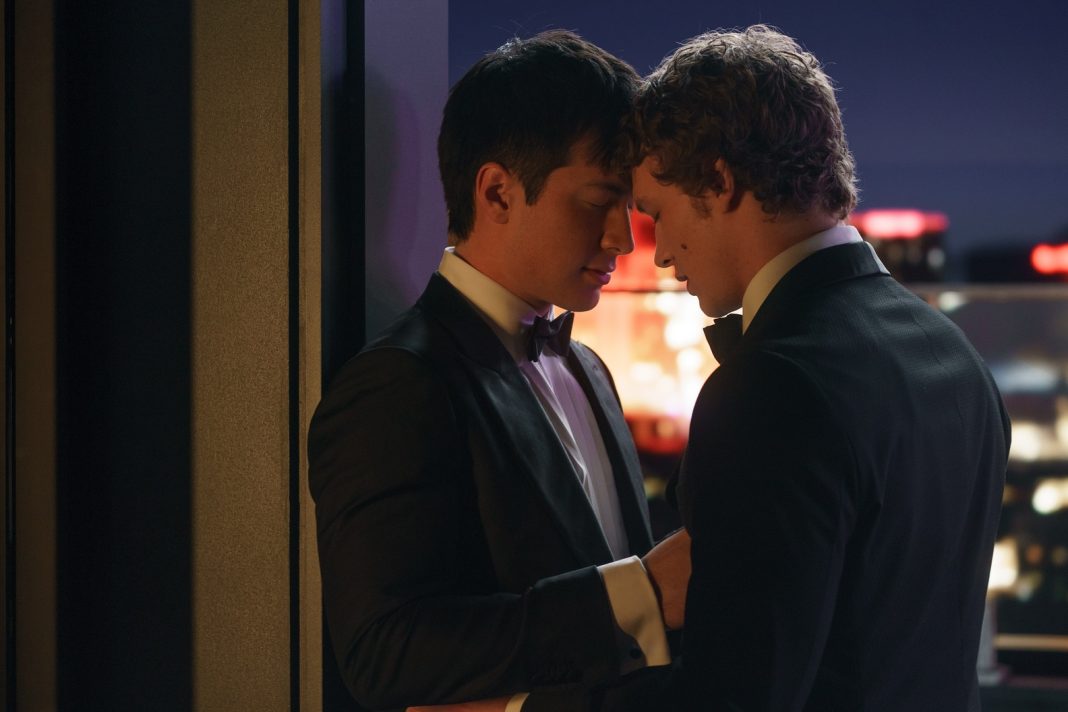
Ever settled into a new movie or binge-watched a captivating series, only to have a friend drop a bombshell: “You know, that was a book first”? It’s a surprisingly common phenomenon, a little literary secret hiding in plain sight. We often fall in love with the visual spectacle, the performances, and the stunning direction, completely unaware that the intricate plot and compelling characters were first meticulously crafted within the pages of a novel. At TrendLyric, we’re fascinated by the journey of stories, and few journeys are as intriguing as the leap from the quiet solitude of a book to the dazzling dynamism of a screen.
From Page to Screen: Why Books Are Often the Best Blueprints
There’s a compelling reason why so many of our most beloved films and television shows began their lives as books. A novel, by its very nature, is a deep dive. Authors spend years, sometimes decades, building intricate worlds, developing complex character arcs, and weaving narratives rich with subtext and detail. This provides a formidable foundation for any adaptation. When a production team starts with a published book, they aren’t just getting a plot; they’re inheriting a fully fleshed-out universe, complete with established rules, emotional beats, and often, a built-in fanbase eager to see their cherished story brought to life.
Consider the expansive realms of The Lord of the Rings or the politically charged world of Game of Thrones. These sagas would have been monumental to invent from scratch for the screen. Instead, their creators had the genius of J.R.R. Tolkien and George R.R. Martin, respectively, to draw upon. The rich lore, the detailed character backstories, and the epic scope were all there, waiting to be translated into a visual medium. This not only streamlines the creative process but also offers a depth of storytelling that can be incredibly challenging to achieve with an entirely original screenplay.
Beyond the Obvious: Unexpected Literary Lineage
While some adaptations are widely known for their literary origins – like the Harry Potter films – others are far more surprising. Many viewers might not immediately connect the mind-bending sci-fi of Denis Villeneuve’s Arrival with Ted Chiang’s novella “Story of Your Life,” or realize that the intense psychological thriller Gone Girl was first a gripping novel by Gillian Flynn. Even classics like Forrest Gump and Jaws had their start on the bookshelves, crafted by Winston Groom and Peter Benchley, respectively.
The rise of streaming services has only amplified this trend, bringing more nuanced and character-driven stories from print to the small screen. Hit series like The Queen’s Gambit and Bridgerton were both hugely successful book adaptations, captivating millions with narratives that had already proven their power on the page. It’s a delightful realization, almost like discovering a hidden treasure.
“It’s truly mind-boggling how often a story you think is completely original to the screen has been simmering in a novel for years, sometimes decades,” says avid reader and film buff, Sarah Jensen. “It just goes to show the enduring power of a well-crafted narrative. A good story will always find a way to resonate, no matter the medium.” Her sentiment perfectly captures the surprise and appreciation many feel when they learn about the literary roots of their favorite on-screen tales.
The Enduring Magic of Adaptation
The journey from book to screen isn’t without its challenges, of course. Translating inner monologue, condensing sprawling plots, and visualizing complex concepts requires immense skill and creative vision. But when done well, it’s a magical alchemy that breathes new life into a story, allowing it to reach a broader audience and be experienced in entirely different ways. The screen can add dimension through visuals, sound, and performance, while the book offers an intimate connection to a character’s thoughts and a freedom of imagination that no visual medium can fully replicate.
So, the next time you’re captivated by a new series or movie, take a moment to consider its potential origins. There’s a good chance that the story you’re enjoying began its life not under the glaring lights of a film set, but quietly, thoughtfully, within the bound pages of a book. And that, in itself, is a story worth celebrating.

