


The housing market. It’s a topic that keeps more than a few of us up at night, whether we’re dreaming of homeownership, grappling with rising rents, or wondering if our current property will continue to appreciate. So, when a political figure as prominent as Donald Trump promises “aggressive” housing reform should he return to office, ears perk up across the nation. But what does “aggressive” really mean in the often-slow-moving world of real estate, and what could it imply for home prices a couple of years down the line, say, in 2026?
It’s easy to get caught up in the headlines, but the devil, as always, is in the details. Let’s unpack the potential pathways this kind of reform might take and what they could mean for your wallet.
Untangling “Aggressive”: Deregulation and Development
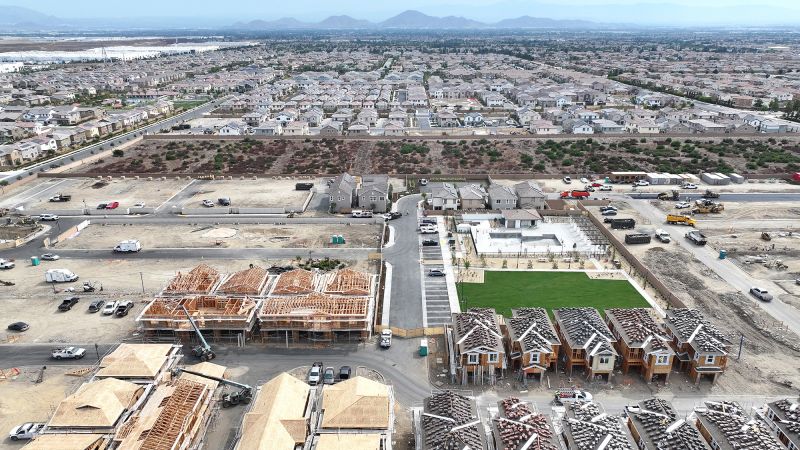
When the term “aggressive” is used in the context of housing reform, it often points towards a strategy focused heavily on increasing supply. For decades, many argue, a combination of restrictive zoning laws, cumbersome permitting processes, and local NIMBYism (“Not In My Backyard”) attitudes has stifled home construction. An “aggressive” approach from a future Trump administration would likely target these very bottlenecks.
Imagine a scenario where federal incentives are dangled to encourage states and municipalities to loosen their zoning restrictions, allowing for more multi-family dwellings or smaller lot sizes. Think less red tape, faster approvals for new developments, and perhaps even federal land being opened up for residential construction. The idea is simple: if you make it easier and cheaper to build, builders will build more. This increased supply, in theory, would then help to cool the red-hot demand that has fueled price growth in many areas.
This isn’t just about big developers, either. Streamlining regulations could also benefit smaller builders and even individual homeowners looking to add accessory dwelling units (ADUs), further boosting housing availability.
The Supply-Demand Seesaw and Your Home Value
The fundamental principle of economics dictates that when supply increases relative to demand, prices tend to stabilize or even fall. If an “aggressive” reform package successfully stimulates a significant wave of new construction, we could indeed see a noticeable impact on home prices by 2026. Instead of the double-digit price hikes many markets have experienced, growth might slow to more traditional, sustainable levels, or in some particularly supply-constrained areas, prices could even see minor corrections.
However, it’s never quite that simple. As one seasoned housing analyst, Maria Rodriguez, recently put it, “While increasing supply is absolutely crucial, the housing market is a complex beast. We’d need sustained, truly significant action across multiple levels of government to see a dramatic shift in affordability across the board. Demand drivers like interest rates, population growth, and investor activity won’t just disappear.”
This means that even with a strong push for more homes, other factors could still exert upward pressure. Mortgage rates, for instance, play a massive role in affordability. If rates remain high, even lower home prices might not make homeownership accessible for a broader segment of the population. Similarly, if strong economic growth continues to attract more people to desirable areas, the new supply might simply be absorbed by new demand without dramatically altering price trajectories.
The Path Ahead: Hopes vs. Hurdles
The vision of abundant, affordable housing is certainly appealing. But the road to implementing such aggressive reforms is fraught with potential hurdles. Many zoning and land-use decisions are historically controlled at the local level, meaning a federal administration would need to find effective ways to incentivize (or compel) local governments to change their long-standing policies. This is where political will and negotiation become paramount.
Furthermore, even with streamlined processes, building new homes takes time. From securing land to pouring foundations and completing construction, there’s an inherent lag. While an “aggressive” push might accelerate things, the full impact on the existing housing stock and overall market might not be felt immediately. It’s a bit like turning a massive ship – you can steer aggressively, but it still takes time to change course.
So, what does it all mean for 2026? If Trump’s promised “aggressive” housing reform truly materializes and successfully tackles supply-side constraints, it could introduce a much-needed cooling effect to home price appreciation. The key word here is “could.” The housing market, ever dynamic, will continue to be shaped by a multitude of forces, both political and economic. Staying informed about these potential policy shifts will be crucial for anyone navigating their housing journey in the coming years.

