


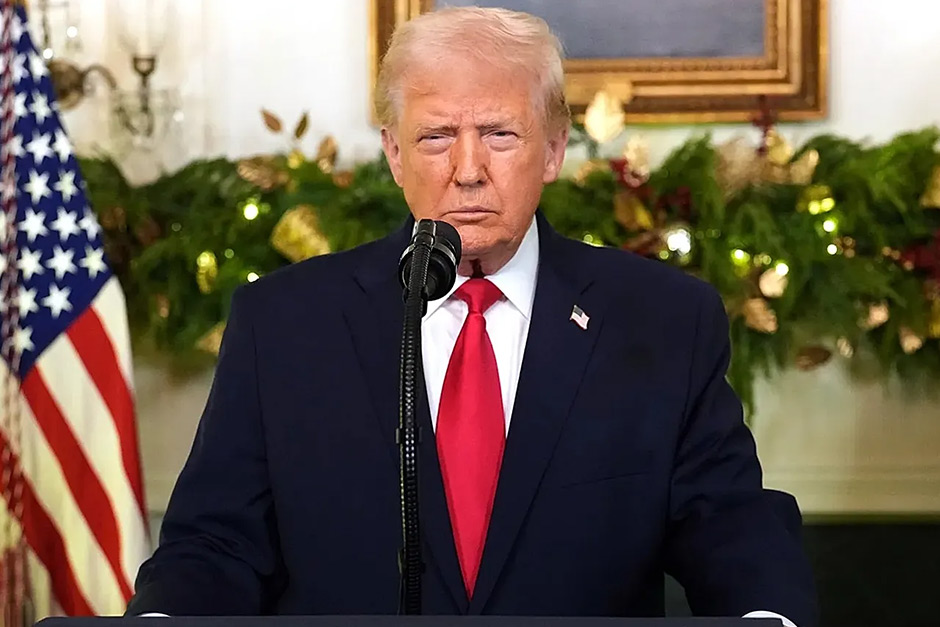
The political currents surrounding the Republican Party’s preparations for upcoming midterm elections are marked by a notable absence of explicit direction from one of its most influential figures. Donald Trump, while still a central force within the party, has reportedly maintained a quiet stance regarding his specific strategies and endorsements for the critical contests ahead. This perceived lack of overt guidance has fueled speculation and raised questions among observers and party members alike concerning the GOP’s unity and its potential electoral future.
The Unconventional Playbook
Donald Trump’s political career has been characterized by a distinctive, often unpredictable, approach. From his rallies to his social media presence, direct and highly public communication has historically been a hallmark of his engagement. Yet, as the midterm election cycle intensifies, his direct role in articulating a comprehensive party strategy for these elections appears less pronounced than some might expect.
While his endorsements continue to hold considerable weight in individual primary races, shaping the candidate pool, a broader, unifying message or an overarching campaign plan for the general election has reportedly not been clearly communicated by him to the wider Republican apparatus. This contrasts with traditional roles of past party leaders who often take a highly visible and active hand in coalescing the base, directing resources, and defining the collective agenda for crucial election cycles. This unconventional quietude prompts an examination of its potential ramifications.
Navigating a Fragmented Landscape
Without a clear, centralized directive from a figure with such dominant sway, Republican candidates and strategists face the complex task of navigating an often-fragmented political landscape. This situation can lead to several challenges. The absence of a unified message or a consistent set of priorities emanating from the party’s most prominent voice can make it difficult for individual campaigns to coalesce around a shared platform. This could inadvertently foster internal divisions, as various factions within the GOP might pursue divergent agendas or emphasize different issues, potentially weakening the party’s collective impact.
Furthermore, fundraising efforts and ground game initiatives, which often benefit from a strong, central rallying point, might find it harder to achieve maximum cohesion and efficiency. “It creates a strategic vacuum,” notes Dr. Eleanor Vance, a political strategist. “When a figure with such considerable sway doesn’t articulate a clear path, it leaves individual campaigns scrambling to define their own alignment, which can lead to a fragmented message across the party.” This fragmented approach risks diluting the overall strength of the Republican push, especially in closely contested races where every element of a campaign’s strategy is critical.
Implications for the Road Ahead
The stakes for the Republican Party in the upcoming midterms are undeniably high, with control of Congress hanging in the balance. A perceived lack of explicit, unifying leadership from a central figure like Trump could have tangible repercussions for electoral outcomes. If voters perceive a lack of cohesion or a clear, singular vision from the Republican ticket, it might impact turnout among the party’s base or sway undecided voters towards alternative choices. This uncertainty makes it challenging for the party to fully capitalize on potential weaknesses of their opponents or to effectively counter emerging narratives.
As the election cycle unfolds, the Republican Party faces the dual challenge of harnessing the considerable influence of its former president while simultaneously establishing a coherent and unified front for its candidates. How the GOP adapts to this dynamic, and whether a robust, collective strategy emerges from this period of reported quietude, will be pivotal in shaping their electoral fortunes and defining the party’s trajectory in the immediate future.

