


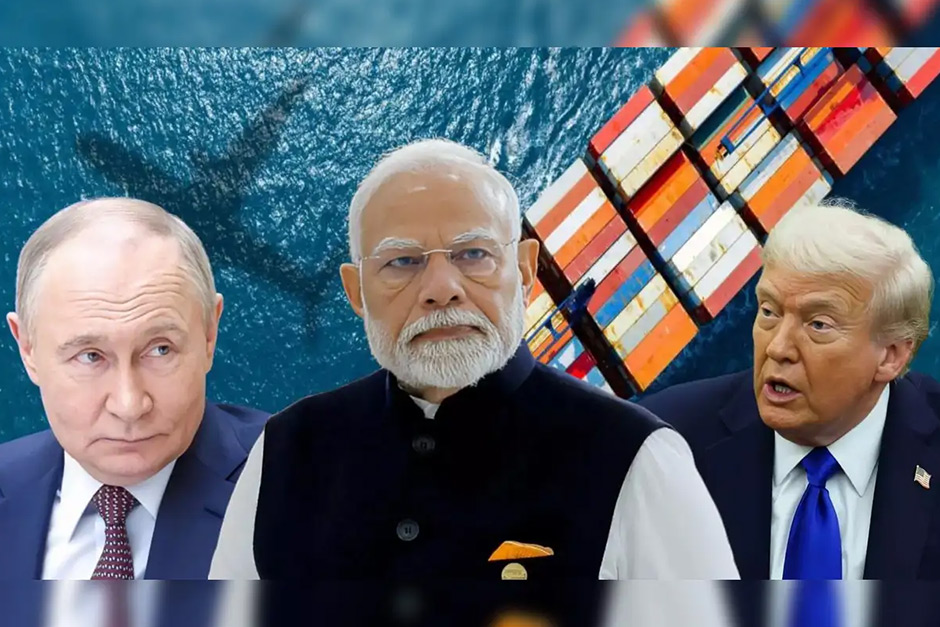
The periodic visits of world leaders often serve as critical junctures for bilateral relations, reaffirming alliances and forging new paths. When the Russian President embarks on a trip to India, it carries particular weight, given the historical depth and strategic importance of their partnership. However, recent developments stemming from the US administration’s stance on Russian oil have introduced a palpable layer of complexity, casting a long shadow over discussions that traditionally focus on energy, defense, and trade.
The Energy Equation: A Delicate Balance
India stands as one of the world’s largest and fastest-growing energy consumers. Its insatiable demand for oil and gas makes energy security a paramount concern. Traditionally, Russia has been a significant, albeit fluctuating, supplier of crude oil to India, alongside other major global producers. However, the US administration’s actions targeting Russian oil, whether through direct sanctions or diplomatic pressure on potential buyers, present a distinct challenge for nations like India.
India finds itself in a delicate balancing act. On one hand, diversifying its energy sources is a strategic imperative to ensure supply resilience and competitive pricing. Russian oil, often offered at competitive rates, can be an attractive component of this strategy. On the other hand, navigating the intricate web of international sanctions and avoiding potential secondary economic repercussions from the US requires careful diplomacy. The visit thus becomes an arena where India’s energy planners must weigh the benefits of Russian supply against the potential friction with a key strategic partner like the United States.
Strategic Autonomy and Geopolitical Pressures
Beyond oil, the India-Russia relationship encompasses deep-rooted defense cooperation, space technology, and broader geopolitical alignment. India has historically relied on Russia for a significant portion of its military hardware and technology transfers. However, the tightening of US sanctions against Russia can impact India’s ability to continue these procurements without potentially triggering US counter-measures, such as those outlined in the Countering America’s Adversaries Through Sanctions Act (CAATSA).
The Russian President’s visit offers an opportunity to address these complex challenges directly. Discussions likely revolve around finding mechanisms to sustain defense deals, explore alternative payment systems, and reaffirm strategic commitments despite external pressures. India, committed to its strategic autonomy, aims to maintain robust relationships with all major global powers. Yet, as a Delhi-based foreign policy analyst noted, “India walks a geopolitical tightrope. Maintaining deep-rooted ties with Russia while navigating growing strategic partnerships with the US requires sophisticated diplomacy, especially when external pressures shift the landscape.” This sentiment underscores the intricate diplomatic work required during such high-stakes engagements.
Conclusion: Navigating the New Global Landscape
The presence of the Russian President in India is always a moment of strategic significance. While the foundational pillars of the India-Russia relationship remain strong, the current global climate, particularly the US administration’s posture towards Russian energy, undeniably introduces new variables. This visit becomes less about merely signing new agreements and more about strategic dialogue, problem-solving, and joint maneuvering to safeguard mutual interests against a backdrop of evolving international dynamics. The leaders will undoubtedly seek to reinforce their enduring partnership while carefully charting a course that respects India’s sovereignty and strategic imperatives in a world reshaped by geopolitical tensions.

