


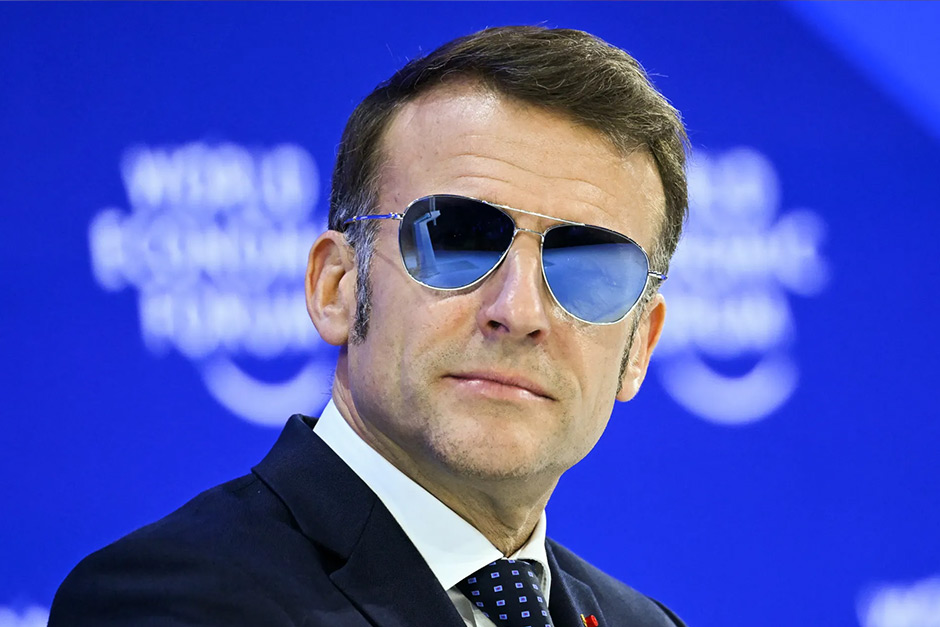
A new chapter in the often-unpredictable world of international relations appears to be unfolding, with French wines once again caught in the crossfire. Reports indicate a significant threat from former President Donald Trump to impose a massive 200% tax on French wines, allegedly in response to French President Emmanuel Macron’s decision to decline a seat on a proposed “Board of Peace.” This development ignites a fresh debate on the intersection of personal diplomacy, trade policy, and the economic implications for industries and consumers alike.
The Diplomatic Chessboard and the “Board of Peace”
At the heart of this latest trade skirmish lies a diplomatic narrative. The notion of a “Board of Peace” remains somewhat abstract, but its purported rejection by President Macron has seemingly struck a nerve. For some, this reflects a perception of a direct slight, suggesting a lack of reciprocal engagement or appreciation for a diplomatic overture. The concept itself implies a forum for dialogue and conflict resolution, and the refusal to join could be interpreted in various ways – from a principled stand on differing strategic approaches to a simple disagreement on the format or efficacy of such a body.
Historically, trade has frequently been weaponized as a tool of foreign policy, often used to exert pressure or express displeasure when diplomatic avenues appear stalled or insufficient. This particular threat, however, ties the economic measure directly to an alleged personal slight or diplomatic snub, highlighting a style of international engagement that prioritizes perceived respect and alignment. The question then becomes whether such tactics effectively advance diplomatic goals or merely escalate tensions, potentially leading to broader economic repercussions.
Economic Ripples and the Price of Prestige
The prospect of a 200% tax on French wines is, without exaggeration, a monumental figure that would send shockwaves through the global wine market and significantly impact American consumers and businesses. French wines, from prestigious Bordeaux and Burgundy to popular everyday table wines, represent a significant portion of the U.S. import market, valued for their quality, tradition, and variety.
Such a tariff would effectively double or even triple the retail price of these wines, making them prohibitively expensive for most American drinkers. This would not only drastically reduce sales of French wines but also force U.S. importers, distributors, restaurants, and retailers to scramble for alternatives. The ripple effect would be felt by jobs in the logistics, hospitality, and retail sectors, as supply chains are disrupted and consumer preferences are forcibly altered.
“This isn’t just about a bottle of wine anymore; it’s about livelihoods,” explains Sarah Chen, owner of a small wine import business in New York. “A 200% tax doesn’t just make French wine expensive; it makes it unsellable for most. My business, my employees, and countless restaurants that rely on these labels would face an impossible situation, potentially leading to closures and job losses. We’re talking about cultural heritage meeting hard economic reality.”
On the French side, the impact would be equally devastating for winemakers, many of whom are small, family-owned operations deeply reliant on the export market. The U.S. is a critical destination for their products, and a sudden, severe tariff could cripple an industry that is both an economic powerhouse and a cultural icon.
Navigating the Future of Trade Diplomacy
This situation underscores a recurring theme in contemporary international relations: the delicate balance between national interests, personal leadership styles, and the intricate web of global trade. Whether the “Board of Peace” incident is a singular catalyst or merely a convenient pretext, the proposed tariff threat on French wine serves as a potent reminder of how quickly geopolitical currents can shift, with tangible consequences for everyday consumers and businesses.
The potential imposition of such a tax raises questions about the long-term implications for alliances, trade agreements, and the stability of global markets. As leaders weigh diplomatic considerations against economic fallout, the world watches to see if this particular threat will manifest into policy, and what the true cost, both political and economic, will be.
In a world increasingly interconnected, the strategic use of economic leverage remains a powerful, albeit often contentious, tool. The challenge lies in discerning when such measures serve a broader diplomatic purpose and when they risk unraveling the very fabric of international cooperation and economic prosperity.

