


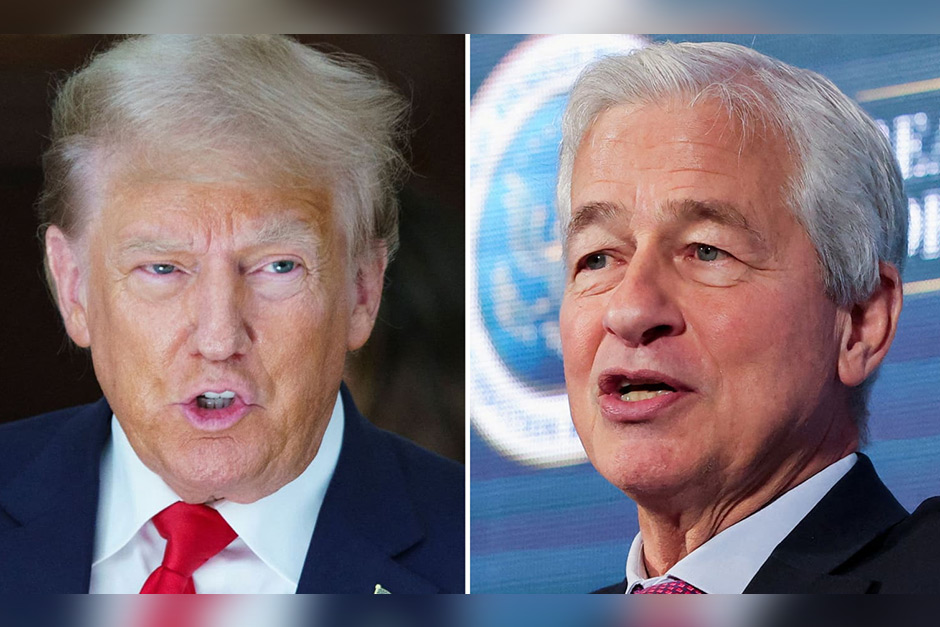
In a lawsuit that has captured global attention, former U.S. President Donald Trump has filed a massive $5 billion claim against banking giant JPMorgan Chase & Co. and its CEO, Jamie Dimon. The lawsuit, lodged in New York, alleges that the bank engaged in an unlawful “debanking” process, terminating Trump’s longstanding accounts without legitimate cause. This high-stakes legal battle pits a powerful financial institution against an equally powerful political figure, raising significant questions about banking ethics, client relationships, and the weaponisation of financial services.
The Allegation: A High-Stakes ‘Debanking’ Claim
The crux of Trump’s lawsuit revolves around the closure of his accounts by JPMorgan Chase in 2021. Trump’s legal team asserts that the bank’s decision was not based on any financial impropriety or default, but rather to appease federal prosecutors and mitigate its own reputational damage stemming from its historical ties to the late disgraced financier Jeffrey Epstein. According to Trump’s complaint, the bank, having settled with U.S. Virgin Islands authorities over its handling of Epstein’s accounts, sought to distance itself from any controversial clients, including Trump, whose association was deemed a “reputational risk.”
The lawsuit details that JPMorgan Chase had been Trump’s primary bank for decades, managing various accounts for him and his affiliated entities. Trump alleges that the termination of these accounts constituted a breach of contract and an abuse of power, effectively “debanking” him as a tactic to curry favour with government regulators and deflect attention from its own legal woes concerning Epstein. This move, Trump argues, was arbitrary, politically motivated, and damaged his business operations, leading to the staggering $5 billion demand for compensatory and punitive damages.
JPMorgan Chase’s Stance and The Battle Ahead
While JPMorgan Chase has yet to issue a detailed public response to the lawsuit, banks typically defend such actions by citing their right to manage risk and adhere to regulatory compliance. Financial institutions often include clauses in their terms of service that allow them to terminate client relationships for various reasons, including reputational risk. The bank’s defence will likely hinge on demonstrating that its actions were lawful, prudent, and within its operational discretion, aimed at protecting its interests and complying with financial regulations.
The legal battle is expected to be protracted and complex, delving into the nuances of banking regulations, client agreements, and the definition of “reputational risk.” The outcome could set precedents for how banks manage politically exposed persons (PEPs) and navigate the delicate balance between commercial relationships and regulatory pressures. For Jamie Dimon, who has steered JPMorgan Chase through numerous challenges, this lawsuit adds another layer of scrutiny to the bank’s operational practices and decision-making.
The lawsuit alleges, “JPMC improperly terminated the longstanding, profitable and otherwise exemplary relationship it had with Mr. Trump… solely to curry favor with federal prosecutors and to avoid the ongoing negative publicity it was receiving…”
Broader Implications and Indian Perspective
This lawsuit carries significant implications beyond the immediate parties involved. It highlights the immense power that large financial institutions wield over individuals and businesses, as well as the increasing scrutiny faced by banks regarding their client onboarding and offboarding processes. In a globalised financial landscape, the concept of “debanking” is a growing concern, particularly for individuals and entities perceived as high-risk, whether due to political exposure, industry type, or past associations.
From an Indian perspective, such a high-profile case involving a former U.S. President and a global banking titan offers valuable insights into international financial regulations and the dynamics of powerful institutions. Indian banks, too, operate under stringent regulatory frameworks, including those related to anti-money laundering (AML) and know-your-customer (KYC) norms, and face similar dilemmas concerning reputational risk management. The outcome of the Trump-JPMorgan lawsuit will be closely watched for its potential to influence global banking practices and define the boundaries of a bank’s right to refuse service, especially when political optics come into play.
As the legal proceedings unfold, the world will be watching to see how this colossal battle between a former U.S. President and a financial behemoth reshapes the landscape of banking relationships and corporate accountability. The $5 billion question now lies in the hands of the courts.

