


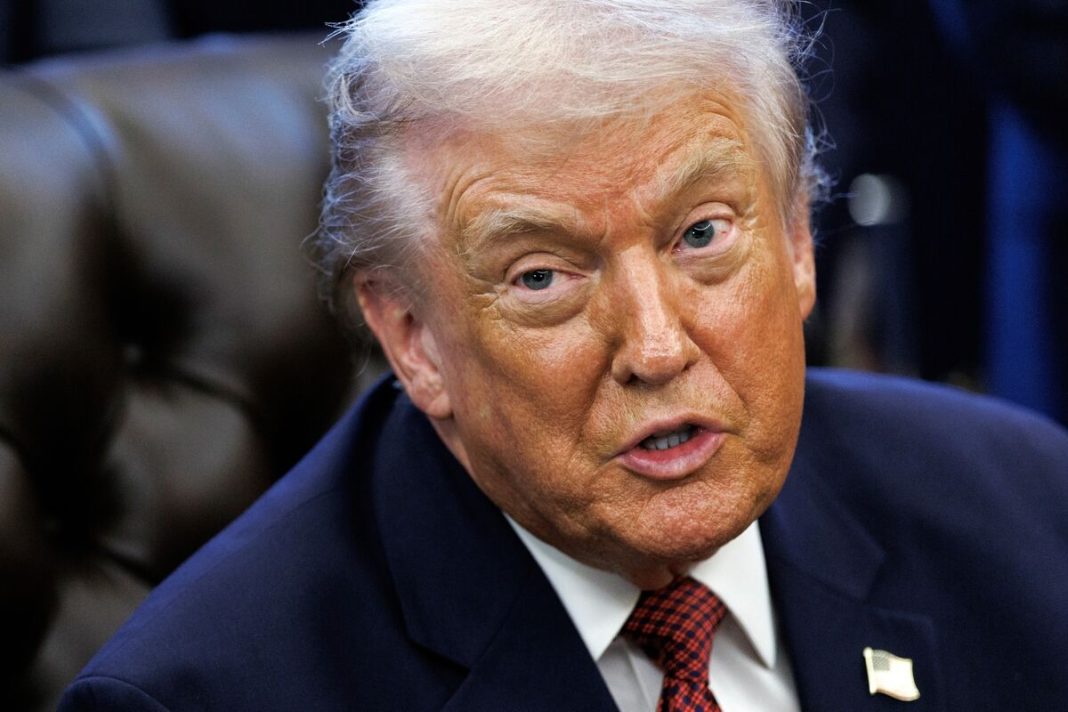
The streaming wars just got a whole lot more interesting. Just when you thought you had a handle on which giant owned what, a new headline drops, stirring the pot. This time, it’s about a potential deal between Netflix and Warner Bros. – a thought that sent ripples through Hollywood and living rooms alike. But before anyone could start speculating on what kind of crossover content might emerge, an unexpected voice chimed in: Donald Trump, stating the deal needs a review. And suddenly, what seemed like mere industry chatter feels a lot more significant.
When Giants Collide: The Bigger Picture
Let’s be real, the idea of media consolidation isn’t new. We’ve seen titans like Disney acquire Fox, and AT&T merge with Time Warner (now Warner Bros. Discovery). The rationale is always similar: economies of scale, combined content libraries, and a stronger position in an increasingly competitive market. But with each mega-merger, there’s always an underlying hum of concern from both consumers and anti-trust advocates.
A hypothetical Netflix-Warner Bros. tie-up would be colossal. Imagine combining Netflix’s global subscriber base and content machine with Warner Bros.’ storied film catalog, iconic franchises like DC, Harry Potter, and a vast library of TV shows. On paper, it sounds like an unstoppable force. But that’s exactly where the regulatory questions kick in. Is an “unstoppable force” actually good for the marketplace, or does it stifle competition and creativity?
Your Binge-Watching Experience: What’s at Stake?
This isn’t just about corporate balance sheets; it’s about what ends up on your screen and how much you pay for it. When fewer, larger entities control the lion’s share of content, several scenarios become possible. Will we see a reduction in diverse content, as companies prioritize blockbusters over niche stories? Will subscription prices inevitably climb, knowing consumers have fewer alternatives for their favorite shows and movies?
Consider the impact on independent creators and smaller studios. A consolidated market might mean fewer buyers for new projects, making it harder for fresh voices to break through. “Honestly, I just want to watch my favorite shows without having to juggle five different subscriptions and wonder if the price is going to jump next month,” says avid streamer Sarah M. “If these big companies keep merging, it feels like we’re just going to have one giant, expensive option.” Her sentiment echoes a common frustration among viewers who feel increasingly squeezed by the fragmented streaming landscape.
The core question is whether such a merger would truly foster innovation or merely create a bottleneck, ultimately limiting consumer choice and potentially driving up costs.
The Regulatory Radar: Why Reviews Matter
This is where Trump’s call for a review steps into a long-standing debate about market power. Regulatory bodies, typically the Department of Justice and the Federal Trade Commission in the U.S., exist to prevent monopolies and ensure fair competition. Their role is to examine whether a proposed merger would substantially lessen competition, harm consumers, or create an unfair advantage.
Historically, antitrust reviews have scuttled deals or imposed conditions to mitigate anti-competitive effects. The concern isn’t just about price – it’s about access, innovation, and the overall health of the industry. A massive merger could lead to one entity controlling too much content, too many distribution channels, and too much power over creators and advertisers.
The Future of Your Entertainment Hub
While a Netflix-Warner Bros. deal is currently speculative, Trump’s comments serve as a powerful reminder that the consolidation trend in media isn’t going unnoticed. It brings to the forefront critical questions about market competition, consumer welfare, and the future of storytelling itself. As streaming services continue to evolve and battle for your attention, the conversation around who owns what, and how much power they wield, is only going to intensify. Ultimately, the outcome of such regulatory reviews will shape not just the corporate landscape, but the very entertainment choices available to us all.

