


The Strait of Hormuz, a narrow yet profoundly critical waterway connecting the Persian Gulf with the Arabian Sea, has once again become the focal point of geopolitical tensions. This strategic chokepoint, through which a significant portion of the world’s oil supply transits, has been a crucible of conflict and diplomacy for decades. Amidst recent escalations, including attacks on tankers and drone incidents, US President Donald Trump issued a resolute statement, asserting that oil would flow quickly, “with or without Iran.” This declaration underscores the high stakes involved and sends ripples across global energy markets, particularly impacting nations like India, which are heavily reliant on oil imports from the Middle East.
The Hormuz Crucible: India’s Energy Lifeline
The Strait of Hormuz is more than just a passage; it is the world’s most important oil transit chokepoint. Approximately 20% of global petroleum liquids consumption, or about 21 million barrels per day, flowed through the strait in 2018, according to the U.S. Energy Information Administration. Any disruption here has immediate and profound implications for international oil prices and, consequently, for the global economy.
For India, the situation in Hormuz is a matter of critical national interest. As the world’s third-largest oil consumer and importer, India relies on imports for over 80% of its crude oil needs. A substantial portion of these imports, particularly from Gulf nations like Saudi Arabia, Iraq, and the UAE, must traverse the Strait of Hormuz. Escalating tensions and the potential for supply disruptions or increased insurance premiums for shipping directly translate into higher crude oil prices for India.
Higher crude prices put immense pressure on India’s economy in multiple ways. Firstly, they fuel domestic inflation, affecting everything from transportation costs to the price of essential goods. Secondly, they widen India’s current account deficit (CAD) as the nation spends more foreign exchange on oil imports. Thirdly, a rising CAD often leads to a weakening of the Indian Rupee against the US Dollar, making imports even more expensive and increasing the debt burden for companies with foreign currency loans. The specter of instability in the Gulf thus directly threatens India’s economic stability and growth trajectory.
Trump’s Assurance: A Geopolitical Gambit
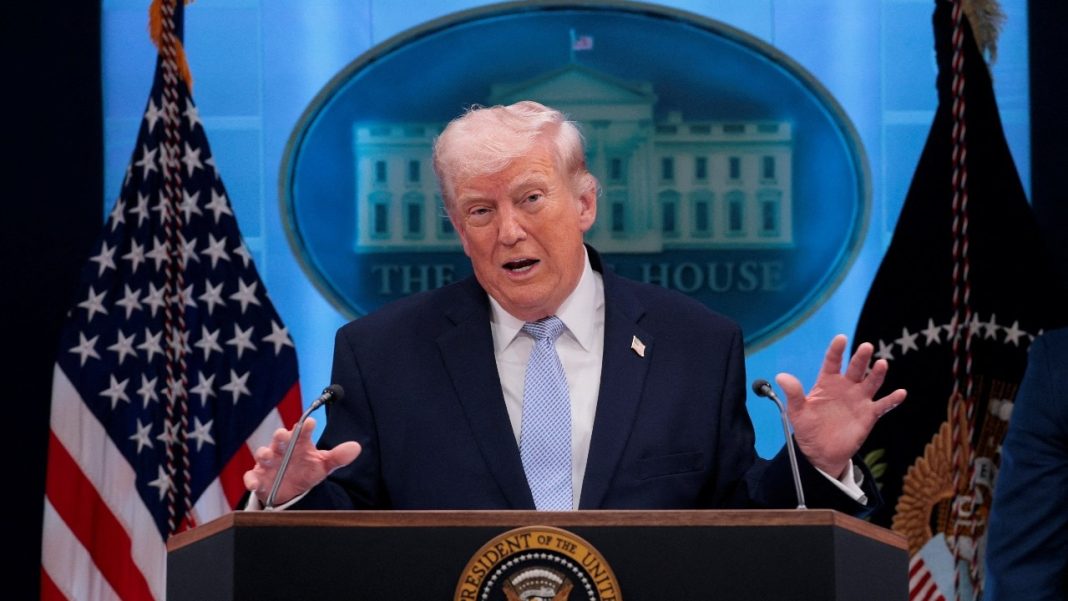
President Trump’s statement that “oil will flow quickly, with or without Iran” serves as a powerful declaration of intent by the United States. It signals a clear commitment to ensuring freedom of navigation through the Strait of Hormuz, implying that Washington is prepared to use all necessary means, including military force, to keep the vital waterway open. This stance comes against the backdrop of heightened US-Iran tensions, exacerbated by the US withdrawal from the Iran nuclear deal and the subsequent imposition of stringent sanctions on Tehran.
The implied message is twofold: a reassurance to global energy markets that the supply chain will not be severed, and a warning to Iran against any attempts to impede maritime traffic. The US has bolstered its military presence in the region, aiming to deter any aggressive actions by Iran. However, such assertive declarations, while intended to project strength and stability, can also be perceived as escalating rhetoric, potentially increasing the risk of miscalculation by either side.
For nations like India, this geopolitical posturing presents a complex dilemma. While the assurance of continued oil flow is welcome, the underlying tension and the possibility of conflict are deeply concerning. India maintains historical ties with Iran and has invested in the Chabahar Port project, viewing it as a gateway to Afghanistan and Central Asia, circumventing Pakistan. Simultaneously, India has deepened its strategic partnership with the US. Balancing these relationships while safeguarding its energy security requires careful diplomatic maneuvering.
Navigating the Volatile Waters: India’s Diplomatic Imperative
In the face of such volatility, India’s diplomatic efforts are geared towards de-escalation and promoting regional stability. New Delhi has consistently advocated for a peaceful resolution to the US-Iran standoff, understanding that any military conflict in the Gulf would have catastrophic consequences for the global economy and its own energy security. India’s External Affairs Minister has engaged with counterparts from the US, Iran, and other key regional players, urging restraint and dialogue.
Beyond diplomacy, India is also exploring strategies to enhance its energy resilience. While diversifying import sources and building strategic petroleum reserves are long-term goals, the immediate reality is a heavy reliance on Middle Eastern oil. Therefore, ensuring the unfettered passage of tankers through the Strait of Hormuz remains paramount. India’s engagement in multilateral forums and its independent foreign policy stand are crucial in navigating these turbulent waters, aiming to protect its economic interests without being drawn into the geopolitical crossfire.
The situation in the Strait of Hormuz remains a delicate balance of power, diplomacy, and economic imperatives. President Trump’s firm stance on oil flow underscores the global commitment to keeping this vital artery open, yet the path ahead is fraught with challenges. For India, the continuous flow of oil from the Gulf is not just an economic necessity but a cornerstone of its national development, making stability in the Strait of Hormuz an urgent and enduring priority.

