


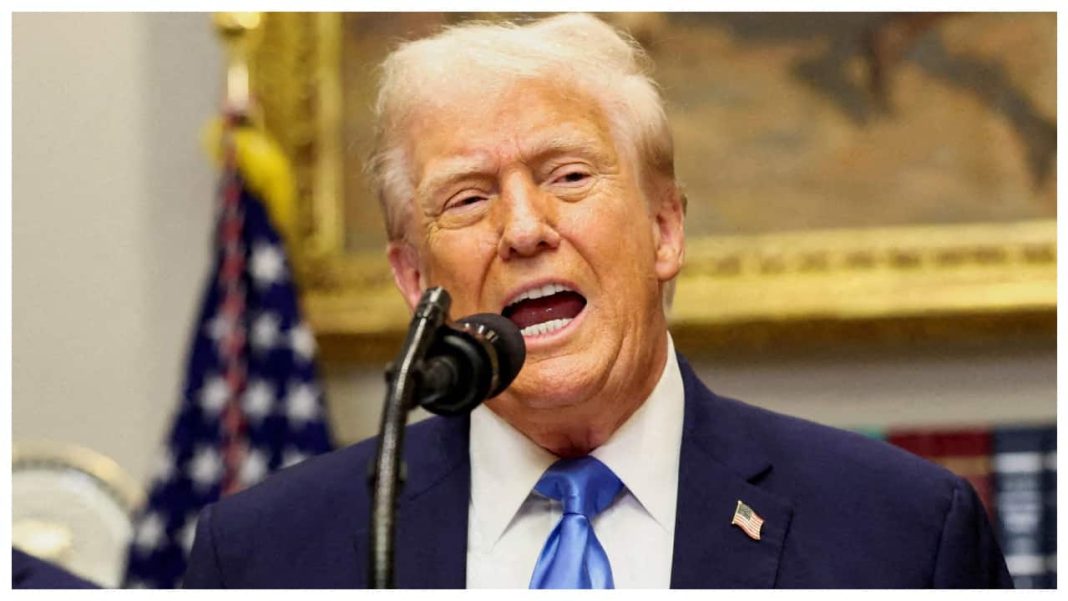
The global energy landscape, a delicate balance of supply, demand, and geopolitics, often reverberates with statements from influential world leaders. Recently, former US President Donald Trump’s characterisation of the blockade on Iranian oil as “incredible” has drawn attention, not just for its geopolitical implications but also for its undeniable link to the persistent rise in pump prices globally. For a nation like India, heavily reliant on crude oil imports, such pronouncements and their underlying realities translate directly into household budgets and economic stability.
Geopolitical Maneuvers and Global Crude Dynamics
Trump’s remarks, made amidst ongoing discussions about global energy supply and inflationary pressures, highlight the potent impact of geopolitical strategy on market fundamentals. The United States has maintained stringent sanctions on Iran’s oil exports for years, aiming to curb its nuclear program and regional influence. This policy effectively removes a significant producer from the global supply chain, tightening the market even as demand remains robust or grows.
When a major oil producer like Iran faces a “blockade” – in this context, comprehensive sanctions severely restricting its ability to sell oil internationally – the ripple effect is immediate. Less oil available globally, regardless of the reasons, invariably puts upward pressure on prices. “The Iran blockade is incredible. They are not selling any oil,” Trump reportedly stated, a remark that, while celebrating the effectiveness of sanctions, implicitly acknowledges their broader market ripple effects. This situation is further complicated by other global factors, including OPEC+’s production quotas, geopolitical instability in other oil-producing regions, and the fluctuating global demand driven by economic recovery and industrial activity.
The core issue is supply versus demand. With a substantial chunk of Iranian crude oil off-market, other producers must fill the void. If they cannot, or choose not to, oil prices climb. Benchmark crude oil prices, like Brent and WTI, serve as a barometer for global economic health and political tensions. Any sustained increase in these benchmarks sends shivers down the spine of net oil-importing nations.
India’s Economic Vulnerability to Rising Pump Prices
The implications of this global dynamic are particularly acute for India. As the world’s third-largest consumer and a major importer of crude oil, India procures over 85% of its oil requirements from international markets. This makes the Indian economy exceptionally vulnerable to fluctuations in global crude prices.
When international crude oil prices rise, the domino effect is swift and widespread. Indian oil marketing companies (OMCs) pay more for crude, which translates to higher petrol and diesel prices at the pump. These rising fuel costs act as a direct tax on consumers, eating into disposable incomes and fueling inflation. Everything from daily commutes to the transportation of essential goods becomes more expensive. This inflationary pressure can then spill over into food prices and other commodities, affecting the common Indian citizen profoundly.
Beyond the immediate impact on consumers, higher crude prices strain India’s macroeconomic indicators. The nation’s Current Account Deficit (CAD) tends to widen as the cost of imports rises, putting pressure on the Indian rupee. A weakening rupee makes future imports even more expensive, creating a challenging feedback loop. The Reserve Bank of India (RBI) often finds itself in a tight spot, balancing the need to control inflation with supporting economic growth, all while navigating external price shocks.
Navigating the Energy Headwinds: India’s Path Forward
Understanding these vulnerabilities, India has been actively pursuing strategies to mitigate the impact of global oil price volatility. Efforts include diversifying its crude oil import basket, forging new partnerships with oil-producing nations, and investing in strategic petroleum reserves. The government is also aggressively pushing for cleaner energy alternatives, including solar, wind, and hydropower, alongside a stronger emphasis on electric vehicles and ethanol blending in petrol. These initiatives aim to reduce long-term dependence on fossil fuel imports and enhance energy security.
However, the transition is gradual, and in the interim, India remains exposed. Diplomatic efforts to ensure stable and affordable energy supplies are crucial. While the geopolitical rationale behind actions like the Iranian oil blockade might serve specific national interests, their economic fallout is global. For nations like India, maintaining a robust dialogue with both oil producers and major consumers, advocating for market stability, and accelerating domestic energy transition remain paramount.
In conclusion, former President Trump’s characterization of the Iranian oil blockade as “incredible” underscores the profound link between foreign policy decisions and everyday economic realities. For India, grappling with rising pump prices, this linkage is a stark reminder of its energy import dependence and the urgent need to fortify its energy security strategy against an unpredictable global backdrop.

