


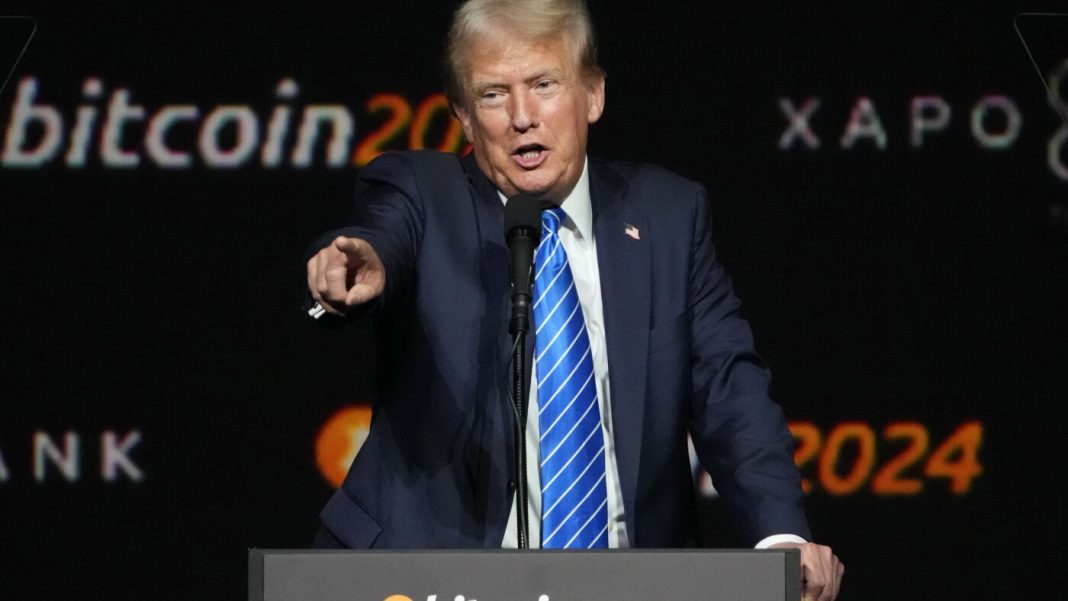
Remember the excitement? The feeling that the digital frontier was finally getting its due, that mainstream acceptance, backed by powerful voices, was just around the corner? For many in the crypto space, the narrative woven around certain political figures, particularly Donald Trump, hinted at an impending revolution. We heard whispers, then shouts, of a future where digital assets weren’t just niche tech but a cornerstone of economic policy. He seemed to embody a new, defiant stance, a willingness to challenge old financial guardrails. Yet, here we stand, watching Bitcoin and the broader crypto market navigate choppy waters, experiencing significant downturns. It begs the question: if we were promised a revolution, why does it feel like we’re caught in a storm?
The Hype Cycle and Political Wind
It’s easy to get swept up in the rhetoric. When a high-profile figure like Trump starts talking about crypto, whether it’s embracing NFTs, discussing Bitcoin as a potential hedge against inflation, or criticizing central bank digital currencies, the market reacts. There was a palpable sense that a former President, and a potential future one, could unilaterally clear a path for digital assets, ushering in an era of light-touch regulation and institutional embrace. His recent pivot from skepticism to a more crypto-friendly posture certainly energized many. It felt like a presidential endorsement, a signal that Washington might finally understand and champion this nascent industry.
But political promises, however grand, often ride on the winds of sentiment more than concrete, immediate policy shifts. A politician’s enthusiasm, while impactful for morale and short-term speculation, rarely overrides the complex global forces that truly govern market movements. The idea that a single individual, even one with immense influence, could simply decree a crypto boom into existence might have been an appealing fantasy, but the reality is far more intricate.
Beyond Political Promises: The Real Market Drivers
To understand the current state, we need to look beyond the political podium and delve into the fundamental dynamics of the market itself. Bitcoin, for all its revolutionary potential, remains an asset, subject to supply and demand, investor sentiment, and global economic pressures. Macroeconomic headwinds play a colossal role. When central banks signal tighter monetary policy, higher interest rates, or quantitative tightening, risk assets across the board – from tech stocks to cryptocurrencies – tend to suffer. Investors pull back from speculative ventures, seeking safer havens.
Regulatory uncertainty also casts a long shadow. Despite hopeful political rhetoric, the actual framework for crypto in many major economies remains fragmented and unclear. This lack of clear guidance can deter institutional investment and create a climate of apprehension. As one market observer recently put it, “Political endorsements can create buzz, but real adoption and stability come from clear regulatory runways and robust macroeconomic conditions, not just campaign trail promises.” Furthermore, the crypto market itself has its own inherent cycles, often driven by halving events, technological upgrades, and speculative bubbles followed by necessary corrections. These cycles predate any specific political alignment and will continue to shape the landscape, regardless of who occupies the highest office.
The Long Game of Digital Assets
So, where does that leave the promised crypto revolution? It suggests that while political figures can certainly influence sentiment and perhaps, eventually, policy, they are not the sole arbiters of market destiny. The digital revolution isn’t a switch that gets flipped by a single politician; it’s a complex, multi-faceted evolution driven by technology, global economics, investor behavior, and yes, gradual regulatory development. The current market downturn, while painful, is a stark reminder that the journey towards mainstream crypto integration is fraught with volatility and subject to forces far greater than any individual’s promises. The revolution may still be coming, but its path is paved by innovation and fundamental market forces, not just fleeting political pronouncements. Understanding this distinction is key to navigating the future of digital finance with a clear head.

