


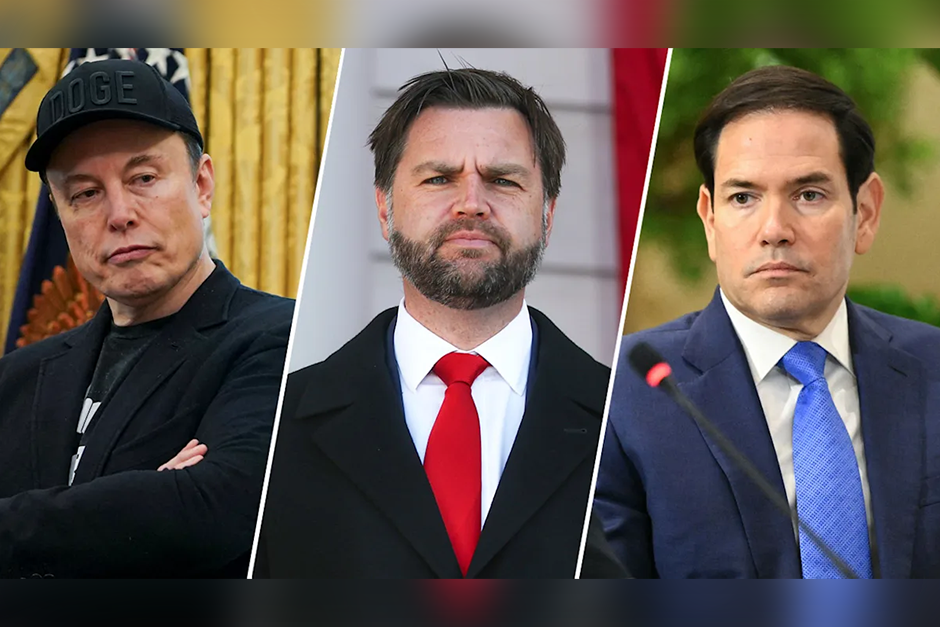
A digital skirmish is brewing, pitting European regulators against Elon Musk’s X, with a rather familiar cavalry riding to the platform’s defense: voices from the Trump administration. The European Union recently slapped X with a hefty $140 million fine, citing a failure to adequately tackle disinformation and illegal content under its pioneering Digital Services Act (DSA). This isn’t just about a social media company and a regulator; it’s a profound debate about speech, power, and the future of internet governance, now amplified by a potent political endorsement from across the Atlantic.
The EU’s Digital Crusade: Accountability or Overreach?
The EU’s Digital Services Act is arguably one of the most ambitious attempts globally to rein in the power of large online platforms. Designed to protect users and combat harmful content, the DSA places significant responsibilities on companies like X to moderate content, be transparent about algorithms, and quickly remove illegal material. The $140 million penalty against X isn’t arbitrary; it’s a direct consequence of perceived non-compliance, particularly concerning the spread of illicit content and disinformation during critical global events.
From Brussels’ perspective, this fine is a necessary measure to ensure platforms uphold their civic duties and prevent the digital space from becoming a haven for misinformation or hate speech. It’s about creating a safer online environment for European citizens, grounded in the belief that with great power comes great responsibility for the platforms shaping public discourse.
Trump Officials Enter the Fray: Defending Free Speech, or Something More?
The unexpected intervention from former Trump officials adds a compelling layer to this already complex narrative. Their pushback largely frames the EU’s action as an assault on free speech and an overreach into the operations of an American-led enterprise. This stance resonates deeply with a political ideology that often champions minimal government intervention, particularly when it comes to regulating speech online. For them, the EU fine isn’t just a regulatory penalty; it’s a form of censorship and an attempt to dictate terms to a company that should be free to operate without such burdensome restrictions.
One could argue this defense is also a strategic move, aligning with a broader narrative of “America First” and pushing back against international bodies perceived as infringing on national (or corporate) sovereignty. It posits that American tech companies should not be beholden to foreign regulatory frameworks, especially those interpreted as stifling open expression. As a veteran tech policy analyst, Dr. Anya Sharma, recently observed, “This isn’t merely about a fine; it’s a collision of regulatory philosophies. The EU prioritizes public safety and collective well-being, while the Trump-aligned stance emphasizes individual liberty and commercial freedom, often overlooking the societal costs of unmoderated content.”
A Glimpse into the Future of Global Tech Governance
This transatlantic clash over X’s content moderation practices is more than a one-off dispute; it’s a significant indicator of future battles in the evolving landscape of global tech governance. Will other nations follow the EU’s assertive regulatory model? Or will the pushback from influential political figures galvanize a counter-movement that prioritizes unfettered online expression, even at the cost of increased disinformation? The stakes are incredibly high.
Ultimately, this standoff forces us to confront fundamental questions about who controls the digital public square, what responsibilities platforms bear, and whose rules should prevail in an interconnected world. The outcome of this dispute, and the wider debate it fuels, will undoubtedly shape how we interact, share information, and govern the internet for years to come. It underscores a growing global tension between the desire for open digital platforms and the imperative to protect societies from harm.
The EU’s fine against X, and the subsequent defense from Trump officials, illustrates a widening chasm in how different entities view and regulate the digital realm. It’s a powerful demonstration that the internet, despite its borderless nature, is increasingly subject to very different national and supranational philosophies. TrendLyric will be watching closely as this crucial debate unfolds, knowing that the implications extend far beyond a single platform or a single fine.

