


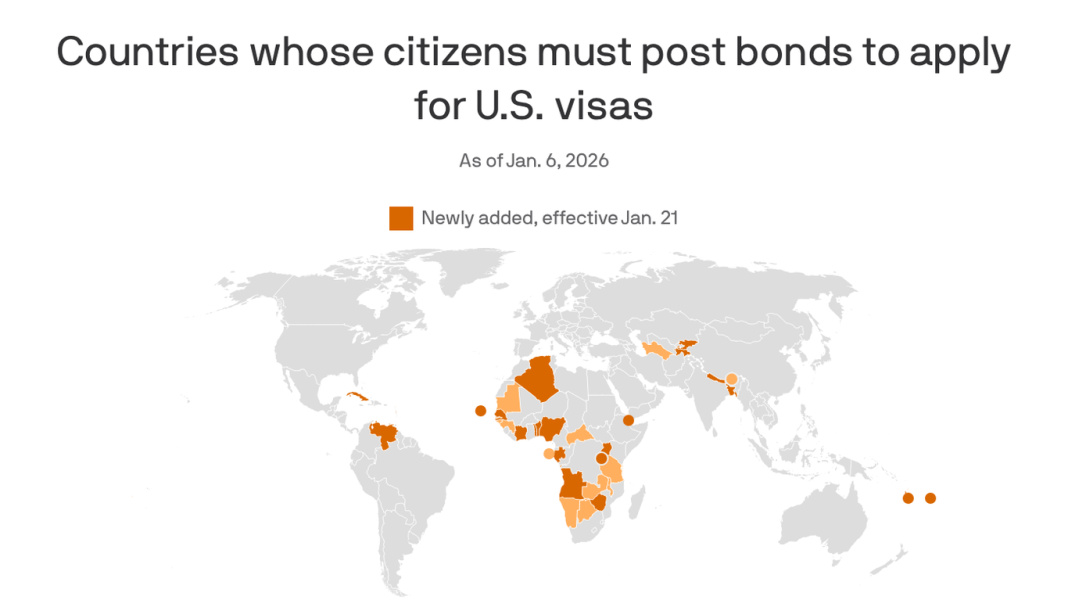
The landscape of U.S. immigration policy is in constant flux, and a recent development concerning Venezuelan nationals has sparked considerable discussion. Under the Trump administration, Venezuelans seeking U.S. visas are now facing a new hurdle: a mandatory security deposit. This isn’t merely an additional fee; it’s a significant financial barrier that could redefine who can and cannot access the American dream, or even temporary relief, from a nation grappling with profound humanitarian and economic crises.
The Steep Price of Entry
For many Venezuelans, escaping the dire conditions in their home country isn’t a choice but a necessity. Yet, the introduction of a security deposit for U.S. visas adds an exorbitant layer of cost to an already complex and expensive process. While the exact figures can vary depending on the visa type and individual assessment, these deposits can range into thousands of dollars – a sum that is simply insurmountable for the vast majority of Venezuelans, many of whom are struggling to afford basic necessities like food and medicine.
This policy effectively transforms visa eligibility from a matter of meeting specific criteria to one of financial privilege. It raises critical questions about equity and accessibility. “This isn’t just a fee; it’s a barrier designed to keep out those who need help the most, weaponizing economic hardship against people seeking stability,” observes Maria Rodriguez, an immigration rights advocate. For families with limited resources, the choice between paying for daily survival or pooling funds for a distant and uncertain visa application becomes an impossible dilemma.
Beyond the Wallet: A Broader Policy Statement
This security deposit requirement is more than just a bureaucratic tweak; it’s a potent policy statement. It signals a move towards a more restrictive, and arguably exclusionary, approach to immigration, particularly from countries experiencing severe internal turmoil. While proponents might argue it’s a measure to ensure visa compliance and prevent overstays, critics contend it disproportionately impacts vulnerable populations and undermines the U.S.’s historical role as a haven for those fleeing persecution or hardship.
The policy also raises concerns about its practical implementation and potential for unintended consequences. Will it truly deter those determined to enter the U.S., or will it merely push more individuals towards irregular, and often more dangerous, channels of migration? Furthermore, it sends a powerful message to the international community about America’s posture towards humanitarian crises, potentially eroding goodwill and diplomatic relations at a time when global cooperation is more crucial than ever.
Navigating a Shifting Landscape
The requirement for a security deposit places an immense burden on Venezuelans, many of whom are already navigating unimaginable challenges. It forces a re-evaluation of pathways to safety and opportunity, making legal entry into the U.S. a luxury rather than a possibility for many. As the debate continues, the human element behind these policies must not be forgotten. Each visa application, each deposit, represents an individual story, a family’s hope, or a desperate plea for a better future.
The implications of this policy are far-reaching, touching upon humanitarian principles, economic realities, and the very perception of America on the global stage. It underscores a trend towards increasingly stringent immigration controls, prompting a broader discussion about what kind of nation the U.S. aspires to be in an interconnected and crisis-prone world.

