


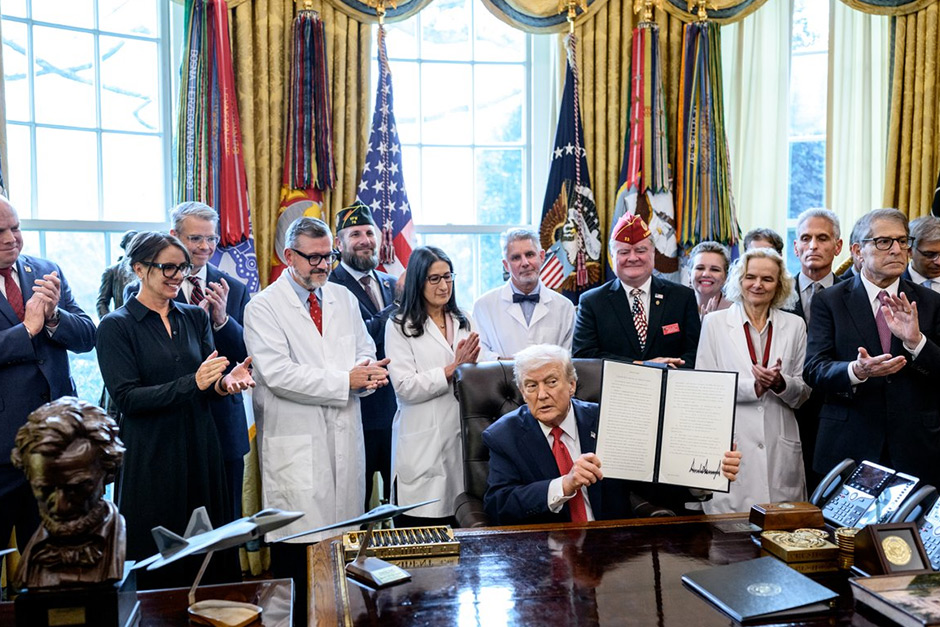
Well, if there’s one thing guaranteed to make headlines and raise a few eyebrows, it’s a policy pivot that touches on an area as historically contentious as cannabis. And yet, here we are. The White House has made a rather surprising announcement: an expansion of research into medical marijuana and CBD. For many, this isn’t just a policy tweak; it’s a seismic shift, signaling a new era of scientific inquiry into compounds once relegated to the shadows.
A Surprising Turn in the Green Revolution
It’s no secret that the journey of cannabis from illicit substance to potential medicine has been fraught with political and cultural battles. For decades, federal restrictions have made rigorous, large-scale scientific study incredibly difficult, even for compounds like CBD known for their non-psychoactive properties. So, when the current administration, often seen as traditionally conservative on drug policy, steps forward to champion expanded research, it’s a moment worth unpacking.
This isn’t about blanket legalization, not directly anyway. Instead, it’s a pragmatic acknowledgment that there’s a gaping hole in our understanding of how these substances interact with the human body. Think about the millions who already use CBD for anxiety, pain, or sleep, often without much guidance beyond anecdotal evidence. Or the patients in states where medical marijuana is legal, seeking relief for chronic conditions. The call for more robust research isn’t just a scientific imperative; it’s a response to a burgeoning public health demand that has quietly been building for years.
Unlocking Nature’s Pharmacy: The Scientific Mandate
The implications of this expanded research are profound. Imagine a future where doctors can prescribe cannabis-derived medicines with the same confidence and precision as any other pharmaceutical. That’s the potential here. Currently, many medical professionals feel caught between patient demand and a lack of definitive, federally recognized studies. This initiative aims to bridge that gap, clearing pathways for more clinical trials, deeper pharmacological investigations, and a clearer understanding of dosage, efficacy, and potential side effects.
One expert, Dr. Elena Rodriguez, a pharmacologist specializing in natural compounds, shared her perspective: “For too long, the scientific community has been handcuffed by outdated regulations. This move isn’t just about political will; it’s about finally giving researchers the tools and freedom to properly investigate what could be truly groundbreaking therapies. It opens the door to understanding the full therapeutic potential, and just as importantly, the risks, of cannabis and its derivatives.” Her words resonate with the quiet frustration many in the scientific world have felt for years.
This isn’t just about CBD anymore; it encompasses the broader spectrum of medical marijuana, including its myriad cannabinoids and terpenes. The goal is to move beyond mere anecdotal evidence and into the realm of evidence-based medicine, allowing patients and providers alike to make truly informed decisions about these complex compounds.
The Path Ahead for Wellness and Discovery
This announcement doesn’t just promise more scientific papers; it promises better-informed choices for individuals seeking alternative or complementary therapies. It legitimizes conversations that were once whispered in the margins and elevates cannabis and CBD research to the same level of scientific rigor as any other promising medical frontier. From chronic pain management to neurodegenerative diseases, the scope of potential applications is vast, and finally, the gates to comprehensive study are swinging wider.
The ripple effects of this policy shift will likely be felt across multiple sectors – from pharmaceutical development to public health education. It signals a maturation in how society and government view these substances, moving towards a science-first approach that could unlock unprecedented insights into plant-based medicine.
The White House’s announcement represents more than just a policy shift; it’s a significant cultural and scientific turning point. By prioritizing robust research into medical marijuana and CBD, the administration is effectively acknowledging the legitimate medical potential that has, for too long, been overshadowed by stigma and political gridlock. This isn’t the end of the conversation, but it’s a powerful new chapter, promising a future where wellness is guided by science, not just supposition. For anyone invested in the future of medicine, pain management, and holistic health, this is undoubtedly a development worth watching closely.

