


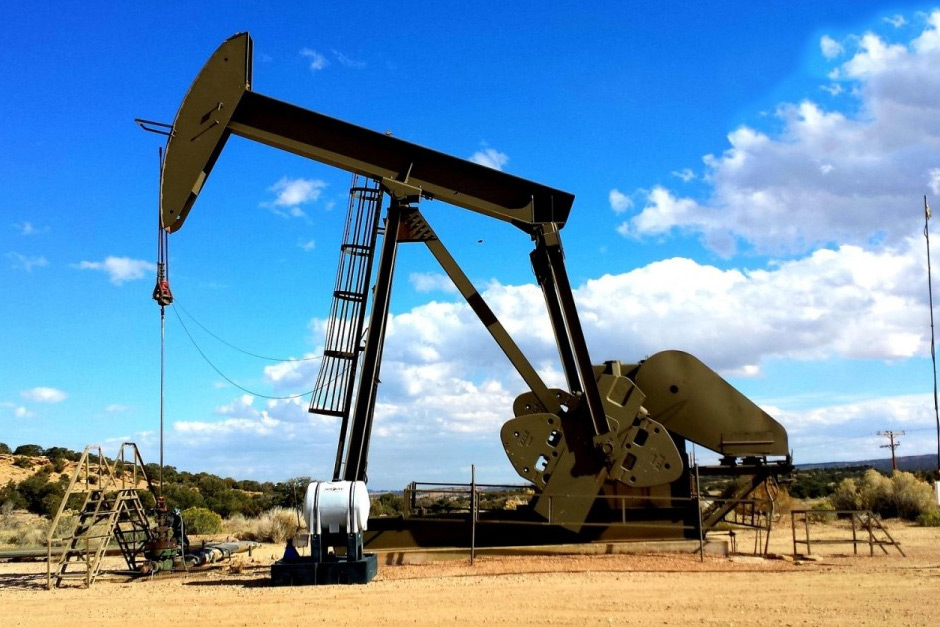
A bombshell announcement from the White House has sent shockwaves across diplomatic circles and global energy markets. President Donald Trump, in an unprecedented move, declared the United States’ intention to take over Venezuela’s beleaguered oil sector. Citing humanitarian crises, political instability, and a direct threat to regional stability, the declaration positions the US as the de facto administrator of the world’s largest proven oil reserves. This bold strategic maneuver, if implemented, represents a seismic shift in global geopolitics and has profound implications for crude supply, pricing, and the energy security of nations like India.
An Unprecedented Geopolitical Gambit
The US assertion of control over Venezuela’s oil industry marks a radical departure from conventional international relations. Venezuela, despite holding an estimated 300 billion barrels of proven oil reserves, has seen its production plummet from over 3 million barrels per day (bpd) two decades ago to a mere fraction today, largely due to mismanagement, corruption, and international sanctions. The declared US objective is ostensibly to stabilize the sector, restore production, and ensure a stable flow of oil to global markets, with revenues potentially earmarked for humanitarian aid and infrastructure rebuilding within Venezuela.
The legality and international acceptance of such a takeover are highly contentious. It raises questions about national sovereignty, the role of international law, and the potential for similar actions in other resource-rich, unstable nations. While the US argues its actions are an intervention for stability, critics may view it as resource nationalism under the guise of intervention. The immediate effect on markets is likely to be extreme volatility, as traders grapple with the potential for increased supply versus the immense geopolitical uncertainty and the risk of retaliatory actions from other global powers with vested interests in the region.
Global Energy Markets Bracing for Impact
The potential US takeover of Venezuelan oil carries multi-faceted implications for global energy markets. Initially, the announcement itself could trigger a significant spike in crude oil prices due to heightened geopolitical risk and uncertainty. However, the long-term outlook presents a more complex picture. If the US successfully restores Venezuela’s production capacity – a monumental task requiring massive investment and technical expertise – it could eventually lead to a substantial increase in global crude supply.
Venezuela’s crude is predominantly heavy and sour, requiring specific refining capabilities. A stable, increased supply of this type of crude could impact the differential pricing of various crude grades. More significantly, it could reshape the dynamics of OPEC+. The cartel, which has historically managed global supply, might find its influence diminished if a US-controlled Venezuela significantly boosts output outside of OPEC’s quotas. This situation also tests the responses of major energy consumers and producers like China and Russia, both of whom have considerable financial and strategic ties to Venezuela.
“This isn’t just about oil; it’s about the very architecture of global energy governance,” notes Dr. Priya Sharma, a Delhi-based energy security analyst. “The immediate price shock will be real, but the subsequent stabilization or further disruption will depend entirely on the execution of this takeover and the international community’s response. It could either flood the market with much-needed crude or usher in an era of unprecedented energy-related geopolitical friction.”
India’s Stake in the Shifting Sands
For India, a nation heavily reliant on crude oil imports – over 85% of its consumption – the developments in Venezuela are of critical importance. India has historically been a significant buyer of Venezuelan crude, which suited its refineries designed to process heavy sour oil. However, US sanctions on Venezuela had severely curtailed these imports, forcing India to diversify its sourcing, primarily towards the Middle East and, increasingly, the United States itself.
A US-controlled, stabilized Venezuelan oil sector could present both opportunities and challenges for India. On the upside, if the US can rapidly restore production, it might introduce a new, reliable source of heavy crude that India’s refineries are well-equipped to handle, potentially at competitive prices. This could enhance India’s energy security by further diversifying its import basket and reducing its over-reliance on a single region. Furthermore, an increase in global supply, if handled responsibly, could help temper international crude prices in the long run, easing India’s import bill and inflationary pressures.
However, challenges remain. India would need to navigate the geopolitical complexities of buying oil from a US-administered Venezuelan entity, potentially balancing its relationships with other key energy partners and strategic allies like Russia and China. The immediate price volatility could also hurt India’s economy, already grappling with inflationary pressures. India’s energy diplomacy will be tested, requiring deft management to secure favorable terms and ensure uninterrupted supply in this dramatically altered energy landscape.
The US’s dramatic move regarding Venezuela’s oil sector is a watershed moment. While the immediate future promises intense volatility and geopolitical maneuvering, the long-term implications could fundamentally reshape global energy markets. For India, a pragmatic, agile approach to its energy strategy, focusing on diversification and robust diplomatic engagement, will be paramount in securing its energy future amidst these unprecedented shifts.

