


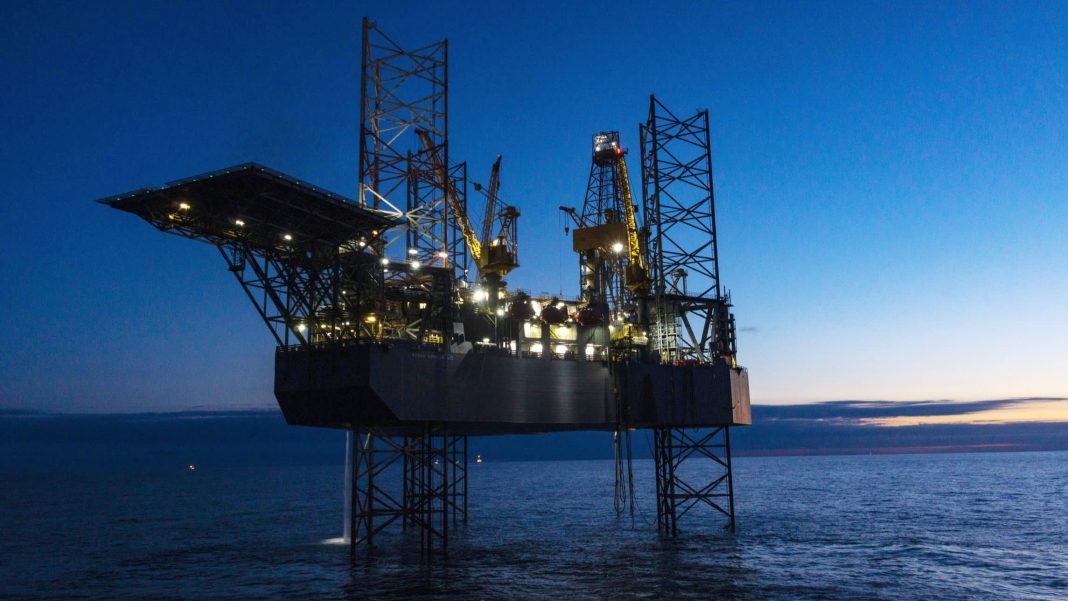
The vast, often tempestuous North Sea has long been synonymous with industrial might, a rugged frontier that fueled nations and built careers. For decades, its oil and gas fields were a beacon of prosperity, a powerhouse driving economies and innovation. But beneath the waves, and certainly on the shores where this industry’s heart beats, there’s a growing chill. What was once an unstoppable force now faces its most challenging chapter in generations, experiencing an investment drought not seen since the early days of its development.
The Fading Tide: A Seismic Shift in the North Sea
To understand the gravity of the current situation, one must appreciate the North Sea’s historical significance. It wasn’t just a source of energy; it was a symbol of energy independence and engineering prowess. Entire communities sprang up around its operations, from Aberdeen to Stavanger, supporting a complex ecosystem of drilling, extraction, and refinement. Yet, the robust investment that once flowed freely into these waters is now little more than a trickle. Companies are pulling back, projects are being shelved, and the long-term outlook appears increasingly bleak for new ventures.
This isn’t merely a cyclical downturn; many believe it’s a fundamental recalibration. The global energy landscape is transforming, driven by climate imperatives and a pivot towards renewables. While oil and gas remain critical components of the energy mix, the appetite for high-cost, high-risk exploration in mature basins like the North Sea is diminishing. The capital that once sought out new black gold is now often redirected towards greener pastures, leaving the North Sea to contend with aging infrastructure and declining reserves without the vital injections needed for renewal.
More Than Just Barrels: The Human Cost of Uncertainty
When investment dries up in an industry as foundational as North Sea oil and gas, the impact extends far beyond balance sheets. It ripples through communities, touching families, small businesses, and a skilled workforce that has dedicated their lives to this sector. The specialized engineers, technicians, and rig workers, many of whom followed their parents into the industry, now face an uncertain future. The once-assured pathways to lucrative careers are becoming fraught with doubt.
“I’ve seen plenty of ups and downs since I started offshore, but this feels different,” remarked Sarah Campbell, a logistics coordinator who has spent two decades supporting North Sea operations. “It’s not just a dip; it’s a fundamental shift. The air of uncertainty is palpable, and for many of us, it’s a tough pill to swallow after building our lives around this industry. We’re talking about livelihoods, not just barrels of oil.” Her sentiment captures the deep-seated concern permeating the communities reliant on the sector, highlighting the human element often lost in economic reports.
The drying up of investment also poses significant challenges for the massive infrastructure already in place. Without new funds, the safe and responsible decommissioning of aging platforms becomes a more complex, and potentially costly, undertaking. It’s a delicate balancing act to manage the decline of a vital industry while ensuring the well-being of its workforce and the environment.
Navigating Choppy Waters: A Legacy at a Crossroads
The North Sea’s oil and gas sector stands at a crossroads, grappling with the legacy of its prosperous past and the daunting realities of a rapidly changing future. The current investment slump, marking the most challenging period since the formative years of the 1970s, underscores a pivotal moment. The decisions made now, or the lack thereof, will profoundly shape the region’s economic trajectory and the lives of thousands.
As the energy transition gains momentum, the story of the North Sea becomes a potent reminder of how quickly even the most formidable industries can face existential questions. It’s a saga of adaptation, resilience, and the difficult conversations required to chart a sustainable path forward for a sector that has long powered our world. The future of this once-dominant energy heartland hinges on innovation, diversification, and a careful reckoning with its incredible, yet evolving, legacy.
*

