


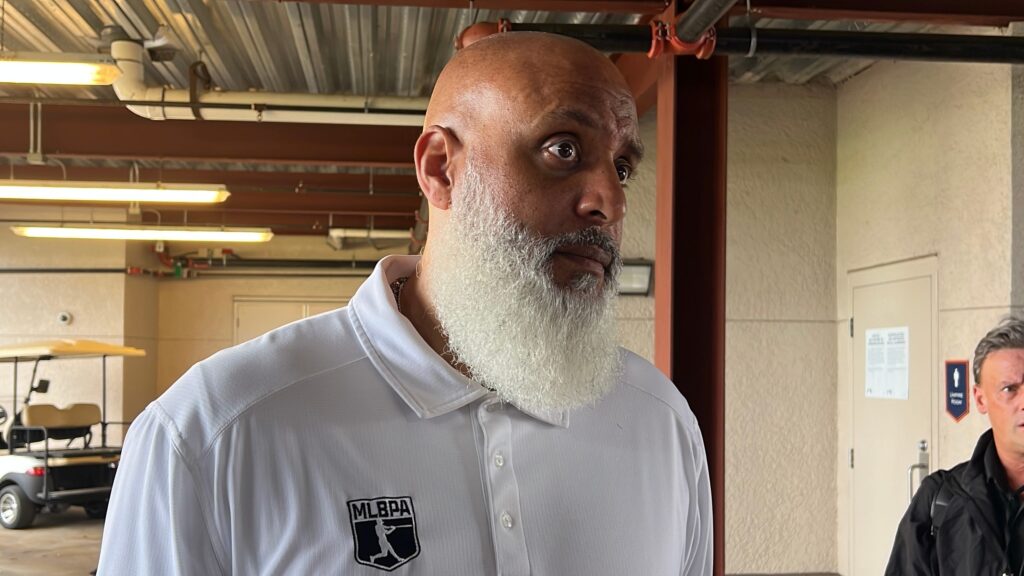
The baseball world is abuzz with significant news that transcends the diamond, echoing into the very fabric of how the game operates. Tony Clark, a figure who has quietly yet profoundly shaped the modern era of professional baseball, is stepping down from his pivotal role as the Executive Director of the Major League Baseball Players Association. It’s a departure that marks the end of an important chapter, prompting reflection on a tenure defined by dedication, negotiation, and unwavering advocacy for the players he represented.
From Dugout to Director’s Chair
Tony Clark’s journey to the helm of the MLBPA was unique, rooted in his own experience as a former major league first baseman. This insider perspective wasn’t just a talking point; it was the bedrock of his leadership. When he took over the union, he wasn’t merely an administrator; he was one of them, intimately familiar with the demands, aspirations, and often precarious nature of a professional baseball career. His tenure was anything but uneventful, navigating through some of the sport’s most contentious labor discussions.
He stood firm through periods of intense negotiation, including those that saw heated debates over player compensation, service time, and the economic structure of the game. It was a role that demanded a steady hand, a deep understanding of complex financial models, and an ability to unite a diverse group of highly individualistic athletes. Clark’s calm demeanor, even amidst significant pressure, became a hallmark of his approach, ensuring the players’ interests remained paramount.
A Legacy Forged in Advocacy
For many players, Clark represented a trusted voice, a bridge between their locker room concerns and the executive suites. His leadership saw the union through challenges that could have deeply fractured the sport, always prioritizing the collective strength and bargaining power of the players. He worked to safeguard their rights, push for improved working conditions, and ensure they received fair compensation in an ever-evolving sports landscape. The conversations surrounding player benefits, free agency, and competitive balance were often fraught, yet Clark consistently championed the players’ side, embodying their collective spirit.
“Tony Clark’s presence was quietly formidable,” remarks Maya Singh, a long-time observer of baseball labor relations. “He understood the pulse of the clubhouse better than anyone in a suit, and that empathy, combined with a sharp negotiating mind, made him an incredibly effective advocate for the players, even when faced with seemingly insurmountable odds.”
His commitment to player well-being extended beyond just contracts, touching on issues from health and safety protocols to fostering a sense of community within the union. He understood that the strength of the MLBPA came from its members feeling heard and valued.
The Future Beyond Clark’s Command
As Tony Clark prepares to hand over the reins, his departure leaves a significant void and prompts contemplation about the future direction of the MLBPA. He steered the union through turbulent waters, leaving an indelible mark on how professional baseball operates today. His legacy is one of steadfast advocacy and a deep commitment to the players whose careers he helped to shape, often behind the scenes.
The next chapter for the MLBPA will undoubtedly bring new challenges and opportunities, but it will do so standing on the foundation that Clark meticulously helped to build. It’s a moment to appreciate the quiet power of leadership and the profound impact one individual can have on an entire sport.

