


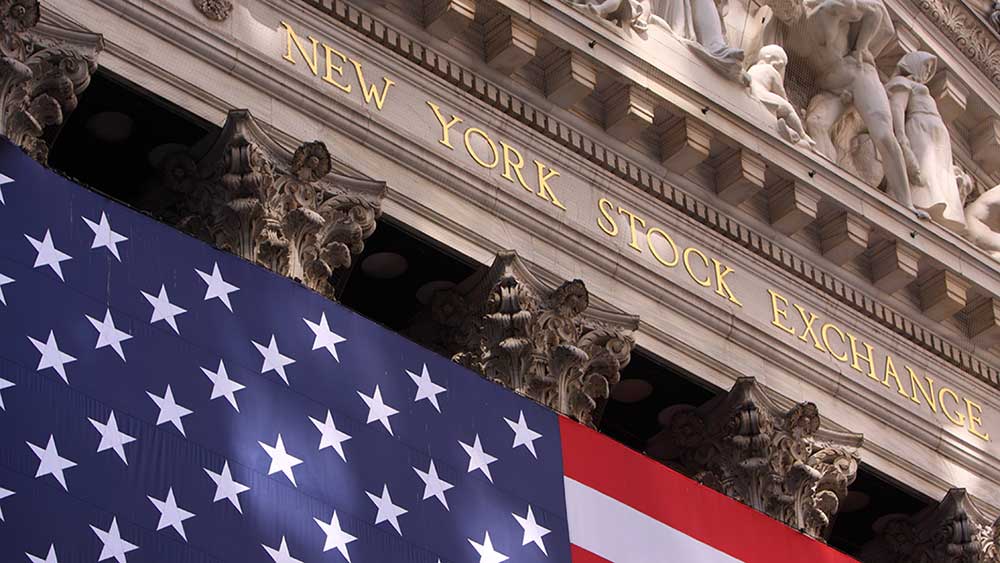
The financial markets are often a study in paradox, and today’s landscape offers a prime example. While geopolitical tensions involving the U.S. and Iran typically send jitters across global economies, sparking fears of instability and supply chain disruptions, the immediate reaction of key indices has been strikingly counter-intuitive. The Dow Jones Industrial Average and the Nasdaq Composite are both enjoying an upward trajectory, even as crude oil prices experience a significant downturn directly linked to the ongoing friction.
The Oil Market’s Unexpected Plunge
Common wisdom suggests that conflict in the Middle East, a vital oil-producing region, would inevitably lead to a spike in crude prices. Yet, the current U.S.-Iran situation has triggered the opposite effect. Several factors appear to be at play. Firstly, market participants might be interpreting the conflict as potentially prolonged but contained, diminishing the immediate threat of widespread physical supply disruptions. Instead, the focus could be shifting towards a potential global economic slowdown exacerbated by uncertainty, which would naturally dampen demand for oil.
Secondly, global oil inventories remain robust, and non-OPEC production, particularly from the U.S., provides a substantial buffer against supply shocks. This creates a market where even significant geopolitical events may not automatically lead to sustained price surges if underlying supply capabilities are strong. The result is a significant drop in crude prices, offering a potential boon for consumers through lower gas prices and for many industries facing reduced input costs.
Equity Markets Find a Silver Lining
While the oil market reacts to the geopolitical situation with a price crash, equity markets, particularly the Dow and Nasdaq, appear to be finding an unexpected tailwind. This divergence highlights the complex interplay of factors influencing investor sentiment. For many sectors, especially those heavily reliant on transportation or manufacturing, lower energy costs act as a de facto stimulus. Reduced operational expenses can translate into higher profit margins or allow companies to invest more in growth initiatives.
The Nasdaq, rich in technology and growth-oriented companies, often demonstrates resilience to traditional commodity price swings. These companies are less directly impacted by energy costs and can even benefit from shifts in consumer spending as individuals have more discretionary income due to cheaper fuel. The broader industrial base reflected in the Dow also stands to gain from improved cost structures, underpinning investor confidence in corporate earnings. It seems the market is currently weighing the positive impact of lower oil prices more heavily than the negative implications of geopolitical instability on overall economic activity.
Navigating the Volatile Waters
This unique market reaction underscores the intricate connections and sometimes paradoxical responses within global finance. While the immediate boost from lower oil prices is undeniable for many sectors, the underlying geopolitical tensions remain a source of potential volatility. Investors are constantly re-evaluating risk and reward, and today’s market movements reflect a current prevailing sentiment that the economic benefits of cheaper oil outweigh the immediate threats posed by the U.S.-Iran conflict.
However, the situation remains fluid, and market conditions can shift rapidly with any escalation or de-escalation of tensions. As one market observer wisely noted, “While the current dip in oil acts as a tailwind for many sectors, investors would be wise to remain agile, as geopolitical landscapes can shift dramatically, challenging even the most robust market predictions.” This sentiment reinforces the need for vigilance and a balanced perspective when interpreting today’s dynamic market conditions.
The market’s current response – a surging Dow and Nasdaq against a backdrop of crashing oil prices – presents a fascinating case study in how complex factors intertwine. It suggests that, for now, the economic relief offered by cheaper energy is a dominant force, overshadowing geopolitical anxieties. Yet, the inherent uncertainty of global affairs means that today’s bullish sentiment could evolve, emphasizing the crucial need for investors to stay informed and adaptable.

