


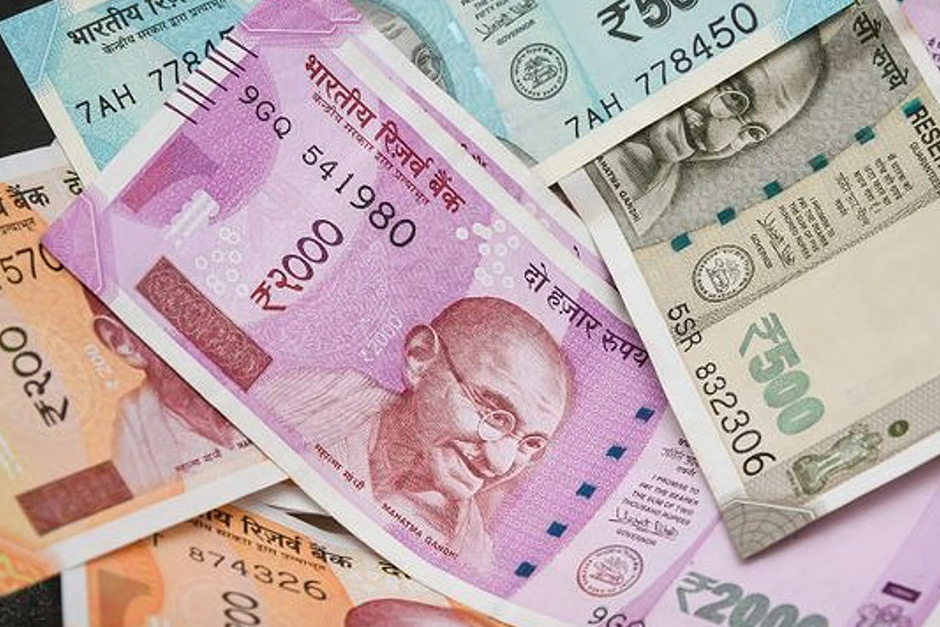
The Indian Rupee (INR) has been on a challenging trajectory against the US Dollar (USD) recently, consistently hitting new lows and now ominously nearing the 90 mark. This significant depreciation isn’t merely a statistic on financial news channels; it’s a barometer reflecting deeper economic currents, both global and domestic, with tangible implications for every Indian. As the currency crosses psychological barriers, understanding the forces at play and their potential impact becomes crucial for businesses, policymakers, and the common consumer alike.
The Global and Local Headwinds Driving Depreciation
The primary driver behind the Rupee’s persistent slide is a confluence of robust global factors and specific domestic challenges. On the global front, the strengthening of the US Dollar Index (DXY) plays a pivotal role. The US Federal Reserve’s aggressive monetary tightening, characterized by consecutive interest rate hikes to combat stubborn inflation, has made dollar-denominated assets more attractive. This has led to a significant outflow of foreign institutional investment (FII) from emerging markets, including India, as investors chase higher returns in safer US treasuries.
Furthermore, global geopolitical uncertainties, particularly the ongoing conflicts and their impact on commodity prices, have amplified the dollar’s safe-haven appeal. When global economic sentiment sours, capital typically flocks to the perceived safety of the US dollar, exerting downward pressure on other currencies.
Domestically, India faces its own set of challenges. A widening trade deficit, largely driven by expensive crude oil imports and strong domestic demand for other commodities, means more dollars are leaving the country than entering. While exports have shown resilience, the import bill continues to be substantial. The Reserve Bank of India (RBI) has actively intervened in the foreign exchange market, selling dollars from its reserves to curb volatility and prevent steeper falls. However, these interventions, while crucial for maintaining stability, also draw down precious reserves.
“The Rupee’s current depreciation is a complex interplay of global liquidity tightening, higher crude oil prices, and a strong dollar. While the RBI has been intervening to manage volatility, the fundamental pressures from the global economic landscape are significant,” observed Dr. Rina Soni, a prominent economist specializing in emerging markets. This highlights the external nature of many of the pressures, making it a difficult situation to fully control through domestic policy alone.
Decoding the Impact on India’s Economy and Citizens
A weakening Rupee has multifaceted implications across various sectors of the Indian economy:
Inflationary Pressures:
Perhaps the most direct and impactful consequence for the common Indian is higher inflation. India is a net importer of crude oil. When the Rupee weakens against the dollar, importing oil becomes more expensive in Rupee terms, leading to higher fuel prices. This, in turn, cascades through the economy, increasing transportation costs for goods and services, ultimately making everything from vegetables to manufactured goods more expensive for the end consumer. Similarly, imported electronics, machinery, and raw materials used in manufacturing also become costlier.
Trade Dynamics:
While a weaker Rupee theoretically makes Indian exports more competitive by making them cheaper for foreign buyers, the reality is often more nuanced. Many Indian industries rely on imported components or raw materials. The benefit of cheaper exports can be offset by the increased cost of these imports. Companies with significant foreign currency debt also face higher repayment burdens when the Rupee depreciates.
Foreign Travel and Education:
For Indians planning to travel or study abroad, a depreciating Rupee means their expenses in dollar terms (or other foreign currencies) translate to a much higher Rupee outlay. This makes foreign holidays, international university fees, and living costs abroad significantly more expensive, potentially altering plans for many families.
Foreign Institutional Investment (FII) and Foreign Direct Investment (FDI):
Sustained depreciation can deter FIIs, as the returns on their investments, when converted back to dollars, are eroded. This can lead to further outflows. While FDI, being long-term, is less immediately affected, a perception of currency instability can make India a less attractive investment destination over time.
What Lies Ahead?
The path forward for the Rupee largely hinges on global economic developments and the effectiveness of domestic policy responses. If the US Federal Reserve continues its aggressive rate hikes, the dollar is likely to remain strong, keeping pressure on the Rupee. A moderation in global crude oil prices or a significant boost in India’s exports could provide some respite.
The RBI will likely continue its watchful stance, intervening to prevent disorderly movements in the currency market without targeting a specific exchange rate. The government’s focus on boosting domestic manufacturing, reducing non-essential imports, and attracting stable long-term foreign direct investment will be crucial in building a more resilient economy less susceptible to external shocks. While the proximity to 90 per dollar is concerning, it serves as a stark reminder of India’s integration into the global economy and the need for robust economic management to navigate these turbulent times.

