


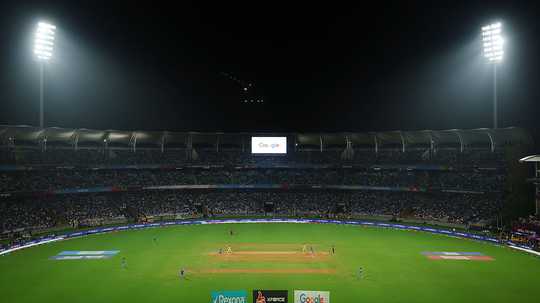
The electrifying atmosphere of the Women’s Premier League (WPL) has been a beacon of progress for Indian cricket, with its second season continuing to captivate audiences nationwide. However, a jarring note of silence is set to punctuate the league’s vibrant narrative, as three crucial WPL matches scheduled at the DY Patil Stadium in Navi Mumbai are reportedly slated to play out in front of largely empty stands. This development has sparked discussions among fans and analysts alike, raising questions about the factors at play and the broader implications for women’s cricket in India.
The Unsettling Silence at DY Patil
For a league that has been lauded for its spirited contests and burgeoning fan engagement, the prospect of deserted seats in Navi Mumbai presents a stark contrast to the fervent crowds witnessed in other matches. The DY Patil Stadium, a venue synonymous with grand cricketing spectacles, including previous IPL finals, will host games featuring high-profile teams such as Mumbai Indians, UP Warriorz, Gujarat Giants, and Royal Challengers Bangalore. These aren’t obscure fixtures; they involve some of the league’s biggest names and most followed franchises, making the decision or circumstance leading to empty stands particularly noteworthy.
While the official communication often attributes such scenarios to “logistical decisions” or “broadcast optimization,” the visual reality of empty stadia for professional sporting events always prompts deeper inquiry. Mumbai, a city known for its unparalleled passion for cricket, presents a unique backdrop. When even a major cricketing hub struggles to fill seats for a premier league, it signals a need to examine the underlying dynamics at play, both for event organizers and the evolving landscape of women’s sports viewership.
Unpacking the Factors Behind Low Expected Turnout
Several factors could contribute to the decision or anticipation of empty stands for these specific WPL encounters in Navi Mumbai. Firstly, scheduling conflicts often play a significant role. Matches played during weekday afternoons, coinciding with typical work and school hours, inherently face challenges in attracting a large live audience. While television viewership remains a priority, a vibrant stadium atmosphere undoubtedly amplifies the on-screen experience.
Secondly, the geographical considerations of Navi Mumbai itself might be a factor. While part of the greater Mumbai Metropolitan Region, accessibility from various parts of Mumbai can be time-consuming, especially during peak traffic. This could deter potential attendees who might otherwise flock to a more centrally located venue. Furthermore, the intensity and focus of promotional activities for these specific games, compared to potentially higher-stakes or weekend fixtures, could also influence public awareness and drive.
Lastly, as a relatively nascent league, the WPL is still in its formative years of building a consistent in-person fan base. While the initial seasons generate immense buzz, sustaining and growing ground attendance requires continuous, targeted efforts. “This situation, while concerning, isn’t entirely unexpected for a burgeoning league,” notes sports analyst Rohan Sharma. “Building a strong fan base takes time, consistent effort, and a keen understanding of local dynamics. The WPL has immense potential, but these early challenges are crucial learning curves that highlight the need for strategic planning beyond just broadcast metrics.“
Implications for the Future of Women’s Cricket
The empty stands in Navi Mumbai, while a localized issue for a few games, serve as a potent reminder of the ongoing journey for women’s professional sports in India. While television ratings for WPL have been commendable, live attendance remains a crucial barometer of a league’s long-term health and cultural integration. It speaks to the immersive experience, community building, and direct economic impact beyond media rights.
For the WPL, which is committed to elevating women’s cricket, these instances prompt a re-evaluation of strategies regarding venue selection, match timings, local promotions, and fan engagement initiatives. It underscores the importance of making attendance as seamless and appealing as possible, leveraging the star power of players and the quality of cricket on display. Continued investment in grassroots initiatives, coupled with innovative marketing campaigns that specifically target local communities, will be vital to cultivate a robust and loyal fan base that consistently fills stadiums.
Ultimately, the sight of empty seats is a temporary setback, not a reflection of the league’s potential or the talent within. It’s a call to action for all stakeholders – organizers, franchises, and fans – to collectively nurture and champion the WPL, ensuring that the remarkable performances on the field are consistently met with the roaring appreciation they deserve from the stands.
The WPL is a testament to the progress of women’s sports, and overcoming these challenges will only strengthen its foundation for a truly sustainable and widely celebrated future.

