


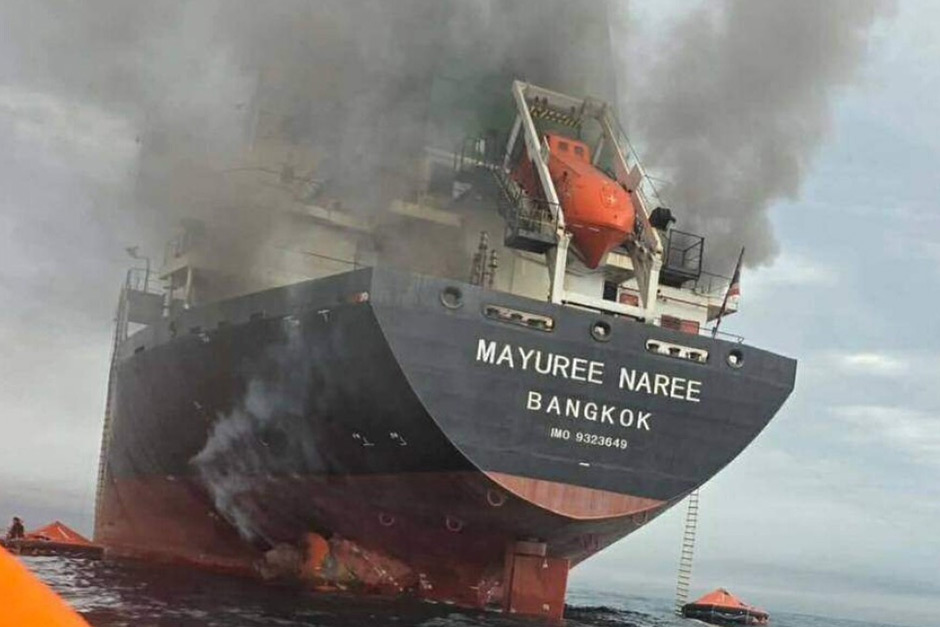
The Persian Gulf, a vital artery for global commerce, is once again a hotbed of escalating tensions. Reports have emerged detailing attacks on three more ships in the strategic waterways, sending fresh ripples of concern across international markets and diplomatic circles. These latest incidents are not isolated; they are part of a worrying pattern that threatens maritime safety and, crucially, global energy supplies. And in a stark warning that has captured worldwide attention, Iran has cautioned that continued instability in the region could see oil prices rocket to an unprecedented $200 a barrel.
Waves of Worry: The Latest Maritime Incidents
The recent targeting of three additional vessels in the Persian Gulf has ignited a fresh wave of alarm. While details regarding the nature of the attacks and those responsible remain under investigation, the incidents underscore the precarious security situation for international shipping. This isn’t just about individual vessels; it’s about the uninterrupted flow of trade through one of the world’s most critical maritime choke points. The Strait of Hormuz, in particular, sees a significant portion of the world’s oil transiting its narrow waters daily, making any disruption a matter of global economic consequence.
For nations and industries reliant on stable supply chains, the repeated assaults are a direct threat to business continuity and global stability. Insurers are reassessing risk premiums, shipping companies are navigating heightened anxiety, and the specter of serious disruption looms large over what should be a free and open passage for international trade.
Iran’s Dire Warning: $200 Oil on the Horizon?
Amidst this backdrop of escalating maritime insecurity, Iran has issued a formidable warning: should the current trajectory of instability continue, the world could see oil prices soar to an eye-watering $200 per barrel. This isn’t just a hypothetical scenario; it’s a pointed statement from a major regional power directly bordering these troubled waters, and one that holds significant sway over the region’s energy landscape.
The implications of such a price surge are nothing short of catastrophic for the global economy. “A sustained period of $200 oil wouldn’t just be an inconvenience; it would trigger a severe global recession, fuel rampant inflation, and erode consumer purchasing power across every continent,” explains Dr. Lena Khan, a geopolitical energy analyst. “The interconnectedness of the global economy means that instability in one critical energy-producing region has immediate and far-reaching consequences for everyone, from your local gas station to international manufacturing plants.” Iran’s warning serves as a stark reminder of the delicate balance between regional security and global economic health.
The Global Ripple Effect of Gulf Instability
The notion of oil reaching $200 a barrel is more than just a headline-grabbing figure; it represents a significant threat to global prosperity. Such a price point would not only cripple industries heavily reliant on energy, like transportation and manufacturing, but would also drastically increase the cost of living for ordinary citizens worldwide. Every product, every service, and every commute would become significantly more expensive, pushing economies already grappling with inflation to the brink.
Governments would face immense pressure to mitigate the impact, potentially through subsidies or strategic reserve releases, but these are often temporary fixes to a systemic problem. The long-term fallout would be a severe contraction in global economic growth, job losses, and increased social unrest as nations struggle to adapt to the new energy reality. The situation in the Persian Gulf isn’t merely a regional skirmish; it’s a barometer for the global economy, and right now, that barometer is pointing towards stormy weather.
As the world watches the Persian Gulf with bated breath, the call for de-escalation and diplomatic solutions grows louder. The confluence of maritime attacks and Iran’s ominous warning paints a concerning picture for the immediate future. The stakes are undeniably high, with the stability of a vital global trade route and the health of the world economy hanging precariously in the balance.

