


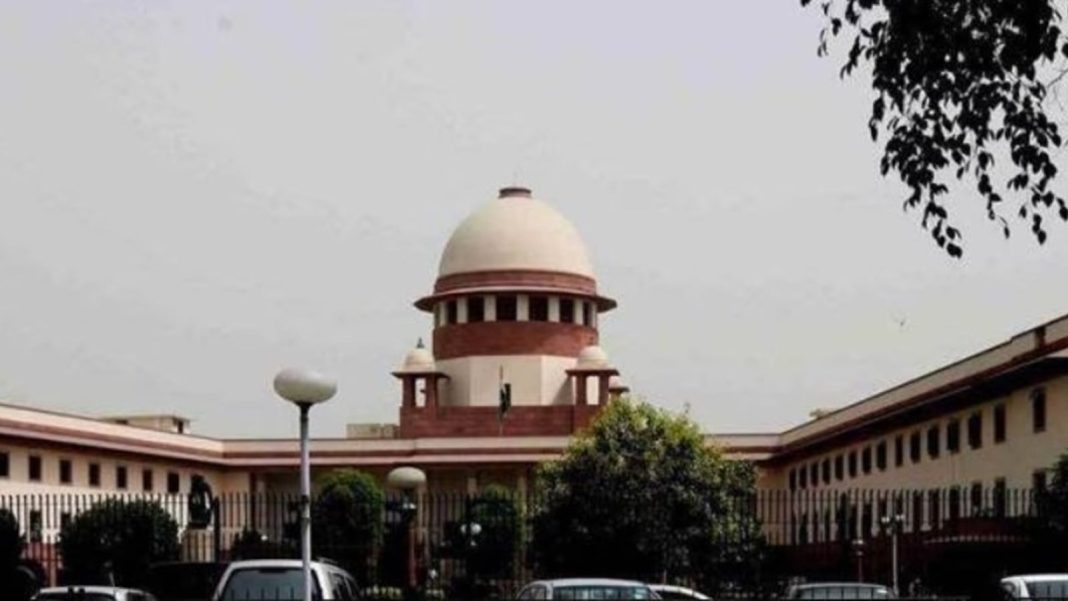
India, the world’s largest democracy, relies on an intricate electoral machinery that stretches from the highest offices of the Election Commission (EC) down to the grassroots. At the very foundation of this immense system are the Booth Level Officers (BLOs). Often overlooked, these individuals are the unsung heroes responsible for ensuring the accuracy of voter rolls and facilitating the voting process. Recently, their critical role and the threats they face came under sharp focus when the Supreme Court of India issued a stern warning to the EC: “Deal with it or it will cause anarchy,” a stark reminder of the potential repercussions if their safety and independence are not secured.
The Unsung Pillars: The Role and Risks of BLOs
BLOs are typically local government or school employees appointed by the Election Commission to manage a specific polling booth area. Their responsibilities are extensive and fundamental to a free and fair election. They are tasked with the crucial job of updating electoral rolls, ensuring that eligible voters are included and deceased or shifted voters are removed. They conduct door-to-door verification, address voter queries, facilitate voter registration, and play a pivotal role in voter awareness campaigns. In essence, they are the direct link between the Election Commission and the average citizen, acting as the eyes and ears of the electoral body on the ground.
Despite their pivotal role, BLOs often operate under challenging circumstances. They are vulnerable to various forms of pressure and intimidation from local political actors, vested interests, or even community strongmen. Instances of threats, harassment, and coercion to manipulate voter lists or influence voting behaviour are not uncommon. These officers, often part-time in their BLO duties and full-time in their primary government jobs, frequently lack adequate protection or a robust grievance redressal mechanism. Their dual role can sometimes make them susceptible to pressures from their parent departments as well, complicating their ability to function impartially. The integrity of the entire electoral process hinges on their ability to perform their duties without fear or favour.
Supreme Court’s Stern Rebuke and the Call for Action
The Supreme Court’s unequivocal statement came during a hearing concerning the effective functioning of the Election Commission and the protection of its officers. The apex court highlighted the immense responsibility placed on BLOs and expressed grave concern over reports of threats and political pressure they endure. The Justices underscored that if these ground-level functionaries are not empowered and safeguarded, the very foundation of electoral fairness would be compromised. The explicit warning, “Deal with it or it will cause anarchy,” serves as a powerful message to the Election Commission, urging it to prioritize the security and independence of BLOs and address their vulnerabilities comprehensively.
The Court’s intervention stems from a recognition that a democracy’s strength is directly proportional to the fairness and transparency of its elections. Any attempt to undermine the BLOs, who are the first point of contact for voters and the last line of defence against electoral malpractices at the booth level, could lead to widespread inaccuracies in voter rolls, disenfranchisement of genuine voters, or inclusion of ineligible ones. Such systemic failures could erode public trust in the electoral process, potentially leading to instability and challenging the democratic mandate. The directive from the highest court mandates the EC to devise and implement effective mechanisms to protect these vital officers.
Upholding Electoral Integrity: Implications and Way Forward
The Supreme Court’s warning carries significant implications for electoral reform and the future conduct of elections in India. It places an undeniable onus on the Election Commission to fortify its support systems for BLOs. This could involve several measures: strengthening legal provisions to punish those who threaten or intimidate BLOs, establishing faster and more accessible grievance redressal mechanisms, providing adequate security during sensitive periods, and offering better training and clear guidelines on dealing with political pressure. Furthermore, ensuring that BLOs feel secure and confident in reporting malpractices without fear of reprisal is paramount.
Beyond protective measures, there is also a need to enhance the status and support for BLOs. Adequate remuneration, official recognition for their critical service, and clearly defined roles and responsibilities can boost morale and commitment. Empowering BLOs also means ensuring their complete operational independence from local political interference. Ultimately, safeguarding BLOs is not merely about protecting individuals; it is about protecting the integrity of India’s democratic exercise itself. The Supreme Court’s timely and strong intervention serves as a crucial reminder that the health of India’s democracy depends on the unwavering commitment to fairness and the protection of every cog in its vast electoral machine.
The path forward demands a collaborative effort from the Election Commission, state governments, and civil society to create an environment where BLOs can perform their duties without fear, ensuring that the electoral process remains robust, credible, and truly representative of the people’s will.

