


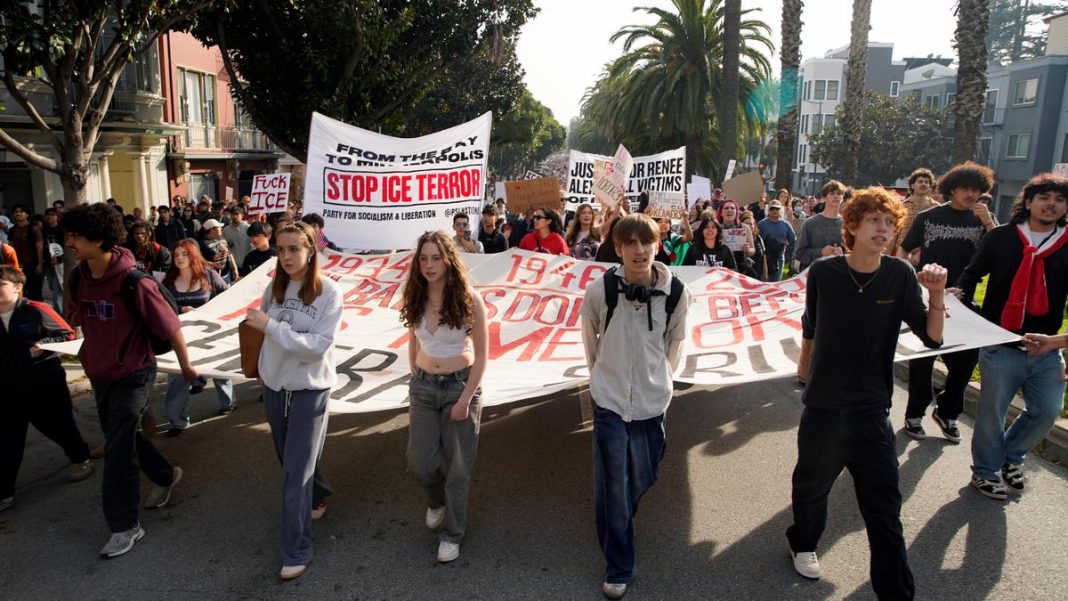
MINNEAPOLIS, USA – In a significant display of public sentiment, thousands of individuals converged on the streets of Minneapolis recently, participating in a large-scale demonstration driven by escalating anger over immigration policies. The rally, which saw participants from various demographics, underscored the deep divisions and intense emotions surrounding the issue of immigration across the United States. Organised by grassroots movements advocating for stricter border controls and revised immigration frameworks, the event transformed downtown Minneapolis into a crucible of debate, reflecting a national discourse that continues to boil.
The protest, largely peaceful yet charged with fervent speeches and passionate chants, highlighted a growing frustration among a segment of the American populace. Demonstrators voiced concerns ranging from the perceived strain on public services and infrastructure to national security implications and the rule of law. The sheer volume of attendees signals not just local discontent but a palpable surge in a sentiment that resonates far beyond Minnesota’s borders, indicating that immigration remains a pivotal and deeply divisive topic in American socio-political life.
The Roots of Resentment: Economic and Social Strain
The anger expressed in Minneapolis is rooted in a complex tapestry of socio-economic anxieties and cultural shifts. Many protesters cited economic pressures, arguing that an influx of undocumented immigrants places undue burden on taxpayer-funded services such as healthcare, education, and social welfare programs. Speakers at the rally pointed to overcrowded schools and stretched municipal budgets as direct consequences, advocating for policies that prioritise documented residents and citizens.
Beyond economics, a strong undercurrent of concern for national sovereignty and the integrity of the border was evident. Banners and placards called for fortified borders, expedited deportations for those residing illegally, and a re-evaluation of asylum processes. “We are a nation of laws, not open borders,” declared one prominent sign, encapsulating a sentiment frequently echoed through the crowd. This perspective often frames immigration as a matter of national security and adherence to legal frameworks, rather than purely humanitarian concern.
The rally also served as a platform for individuals who feel their voices are often unheard in mainstream political discourse. These participants expressed a sense of being overlooked by federal policies, which they believe do not adequately address the challenges faced by local communities grappling with changing demographics. The city of Minneapolis, like many urban centers across the US, has experienced significant demographic shifts over recent decades, contributing to a complex interplay of community dynamics and sometimes, tension.
Voices from the Crowd: A Call for Change
Amidst a sea of American flags and protest signs, individual stories and collective demands painted a vivid picture of the rally’s intent. Organisers meticulously ensured the event remained focused on policy change rather than individual vilification, though the language used by some attendees certainly conveyed deep-seated frustration. One of the recurring themes was a demand for accountability from elected officials at both state and federal levels to address what many perceive as a crisis at the southern border.
Speaking to a local reporter covering the event, Maria Sanchez, a second-generation American and small business owner from a Minneapolis suburb, articulated a common grievance: “My parents came here legally, worked hard, learned English, and followed the rules. Why should others get a pass? We need a system that’s fair to everyone and respects the law.” Her statement reflects a sentiment often heard among those who advocate for stricter immigration enforcement – a belief in upholding legal pathways and processes as the cornerstone of a just system.
The rally’s organisers emphasised that their intention was to send a clear message to Washington D.C. that the current approach to immigration is unsustainable and requires urgent reform. They called for greater resources for border enforcement, a streamlined and more rigorous vetting process for asylum seekers, and policies that deter illegal crossings. The energy of the crowd suggested a community deeply invested in these issues, determined to make their concerns heard in the national conversation.
Navigating a Divisive Path Forward
The Minneapolis rally serves as a powerful microcosm of the broader national debate on immigration in the United States. It highlights the deeply entrenched positions, the emotional intensity, and the urgent desire for solutions from various segments of society. As political leaders grapple with developing comprehensive immigration reform, events like this underscore the significant challenge of reconciling differing viewpoints and crafting policies that address both humanitarian concerns and national interests.
For an Indian audience, observing such socio-political developments in the US offers insights into the complexities of global migration patterns and their profound impact on host nations. The debates around economic burden, national identity, and legal frameworks resonate with similar discussions in many parts of the world, albeit in different contexts. The Minneapolis rally, therefore, is not just a local event; it is a clear indicator of a highly charged issue that will undoubtedly continue to shape American politics and society for years to come.
The road ahead for US immigration policy is fraught with challenges. The Minneapolis protest indicates that public anger is indeed boiling, and without comprehensive and widely accepted solutions, such demonstrations are likely to remain a recurring feature of the American landscape.

