


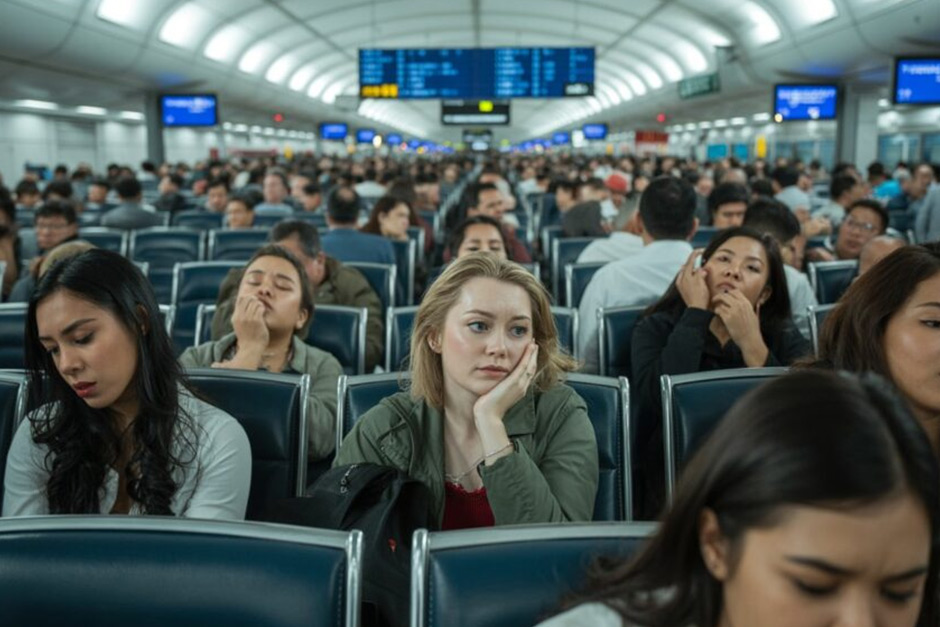
A massive wave of flight disruptions has left thousands of travelers stranded across major Asian aviation hubs, with at least 224 flights cancelled and 2,550 experiencing significant delays. The unprecedented chaos has rippled through the networks of leading carriers like Emirates, JAL, AirAsia, Singapore Airlines, and Cathay Pacific, severely impacting operations in Japan, the UAE, Singapore, Malaysia, and Hong Kong. For many Indian travelers using these busy transit points, what began as a routine journey has quickly devolved into a stressful ordeal of uncertainty and prolonged waits.
Widespread Cancellations and Delays Paralyze Key Hubs
The scale of the current aviation turmoil is significant, affecting some of the world’s busiest air corridors. From the bustling terminals of Dubai and Singapore, crucial gateways for international travel, to the key East Asian hubs of Tokyo, Kuala Lumpur, and Hong Kong, passengers are facing an uphill battle to reach their destinations. Airlines including Emirates, Japan Airlines (JAL), AirAsia, Singapore Airlines, and Cathay Pacific have borne the brunt, grappling with operational challenges that have led to a cascade of cancellations and delays.
While specific causes vary across regions, industry observers point to a combination of factors. Adverse weather conditions, particularly in East Asia, have played a role, exacerbating existing pressures on air traffic control and airline schedules. Technical issues and crew availability constraints, often a consequence of previous disruptions, further contribute to the compounding problems. The intricate web of global aviation means a delay in one hub can easily affect connecting flights thousands of kilometres away, creating a domino effect that impacts millions of travel plans.
The immediate consequences are dire: missed connections, forced overnight stays, and unforeseen expenses for accommodation and rebooking. For many, it’s not just about lost time but also significant financial strain and disruption to personal and professional commitments. Airlines are working to re-accommodate passengers, but with such a high volume of affected flights, options are often limited and wait times extended.
Indian Travelers Face Significant Hurdles
Given the strong ties and frequent travel between India and the affected regions, particularly the UAE and Singapore, a substantial number of Indian citizens have found themselves caught in this vortex of travel disruption. Dubai, a prime transit point for Indians traveling to Europe, Africa, and the Americas, has seen its airport operations heavily impacted, leading to numerous Indian passengers being stranded.
Similarly, Singapore, a vital hub for onward journeys to Southeast Asia, Australia, and North America, has also experienced major setbacks, leaving Indian tourists, business travelers, and students in limbo. The ripple effects extend to flights originating from major Indian cities like Mumbai, Delhi, Bengaluru, and Chennai, with several services either delayed or canceled as a consequence of the disruptions in destination or transit hubs.
“This isn’t just a delay; it’s a domino effect that’s turned our meticulously planned trip into a nightmare,” lamented Rohan Sharma, an Indian IT professional stranded in Dubai on his way to London. “We’re just hoping to get back to Mumbai soon, even if it means sacrificing our onward journey.” His sentiment reflects the frustration of countless others who had planned important meetings, family visits, or crucial connecting flights now jeopardized.
Airlines are advising passengers to check their flight status regularly and contact their customer service channels for the latest updates. However, with call centers overwhelmed, many travelers are left relying on airport staff and real-time updates from airport authority websites, often struggling to find clear information.
Navigating the Fallout and Future Implications
The current situation underscores the fragility of global air travel networks when faced with widespread operational challenges. While airlines are striving to restore normalcy, the sheer volume of cancellations and delays suggests it will take several days, if not longer, to fully untangle the logistical snarl. Passengers are strongly advised to keep travel insurance details handy, understand their passenger rights regarding delays and cancellations, and proactively communicate with their respective airlines.
For the aviation industry, this episode serves as another reminder of the need for robust contingency plans and enhanced coordination across global networks. As travel demand continues to surge, particularly in Asia, ensuring resilience against unforeseen events remains paramount to maintaining passenger confidence and the smooth functioning of international air travel.
Indian travelers planning journeys through these affected hubs in the coming days should exercise caution, anticipate potential delays, and confirm their flight status well in advance of their departure. The immediate focus remains on assisting stranded passengers and gradually restoring the rhythm of air travel across these crucial Asian corridors.

