


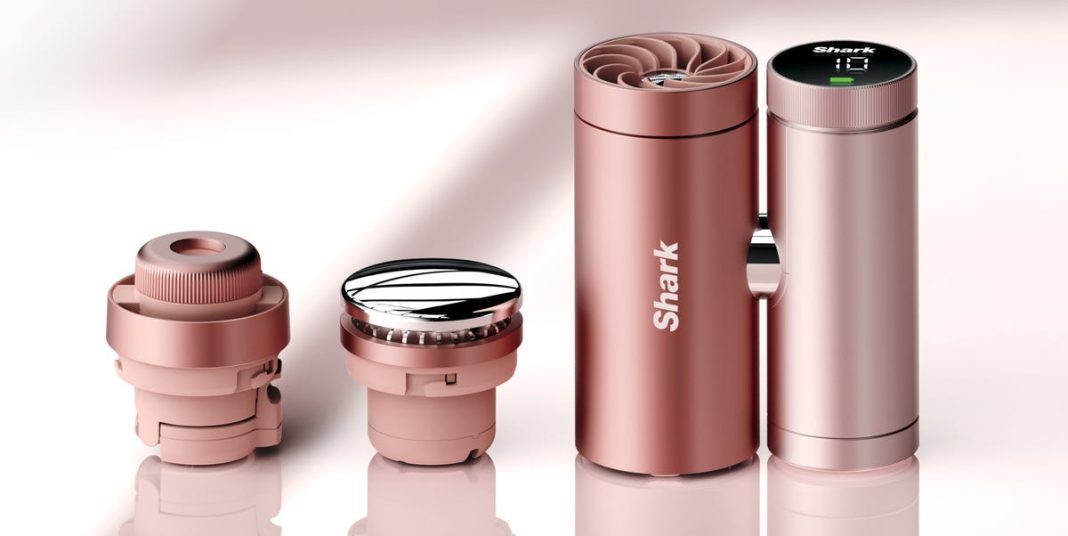
India’s summers are synonymous with scorching heat, relentless humidity, and the constant search for relief. From bustling metropolitan streets to vast agricultural fields, the mercury often climbs to levels that challenge comfort, productivity, and even health. While air conditioners and fans offer respite indoors, the struggle persists for those who spend significant time outdoors or in non-air-conditioned environments. What if personal cooling could be as portable and accessible as a smartphone? A new wave of wearable cooling devices is emerging, promising to fundamentally alter how individuals handle the intense heat, potentially offering a localized, efficient solution to a pervasive national challenge.
The Technology Behind Personal Cooling
These innovative devices are not merely miniature fans strapped to the body. They leverage various scientific principles to provide localized cooling. One common approach involves thermoelectric cooling, utilising the Peltier effect to transfer heat away from the skin. Tiny semiconductor modules, when an electric current passes through them, create a temperature difference – one side gets cool, the other warm. This cool side is then placed against the skin, while the warm side dissipates heat into the surrounding air, often aided by small fans.
Other technologies include phase-change materials (PCMs), which absorb and release heat as they change from solid to liquid and back, maintaining a stable, cool temperature for a duration. Some devices also integrate advanced forms of evaporative cooling, using moisture and airflow to reduce skin temperature more efficiently than traditional methods. The key differentiator is their ability to target specific body areas, like the neck, wrists, or torso, which are effective points for thermal regulation. They are designed to be lightweight, ergonomic, and powered by compact, rechargeable batteries, making them ideal for on-the-go use.
Transforming Life in India’s Heat
For a country where a significant portion of the workforce operates outdoors – from construction workers and traffic police to farmers and delivery personnel – the implications of effective wearable cooling are profound. Prolonged exposure to high temperatures not only reduces productivity but also poses serious health risks, including heat stroke and dehydration. A personal cooling device could offer crucial protection, enhancing both comfort and safety during arduous working hours.
Beyond the workforce, the daily lives of millions of Indians could be positively impacted. Commuters navigating crowded public transport or waiting at open-air bus stops during peak summer months often endure oppressive heat. Such devices could provide immediate, personal relief, making journeys more bearable. Furthermore, with rising temperatures and increasing frequency of heatwaves across India, these wearables could serve as a vital tool for the elderly, children, and individuals with pre-existing health conditions who are more vulnerable to heat stress.
“The potential for these devices in India is immense,” states Dr. Priya Sharma, a Chennai-based environmental health researcher. “It’s not just about comfort; it’s about public health and economic resilience. By offering targeted cooling without the massive energy consumption of centralised AC systems, they represent a sustainable step forward in climate adaptation for our population.” The localised nature of these devices also offers an energy-efficient alternative to cooling an entire room or vehicle, aligning with India’s broader goals for energy conservation and sustainable development. As climate change continues to make summers hotter and longer, innovative personal solutions become increasingly critical.
The Road Ahead: Adoption and Impact
While the technology shows immense promise, widespread adoption in India will depend on several factors, including affordability, battery life, durability in harsh conditions, and public awareness. As manufacturing scales and designs become more refined, costs are likely to decrease, making them accessible to a wider demographic. Local innovation and adaptation to specific Indian needs, such as resistance to dust and sweat, will also be crucial for success.
The vision of a future where individuals can carry their own micro-climate, impervious to the sweltering sun, is rapidly moving from concept to reality. Wearable cooling devices are not just a technological novelty; they represent a significant leap in personal climate control, offering a tangible solution to India’s escalating battle against heat. As these innovations become more integrated into daily life, they hold the power to redefine comfort, productivity, and well-being for millions across the nation.

