


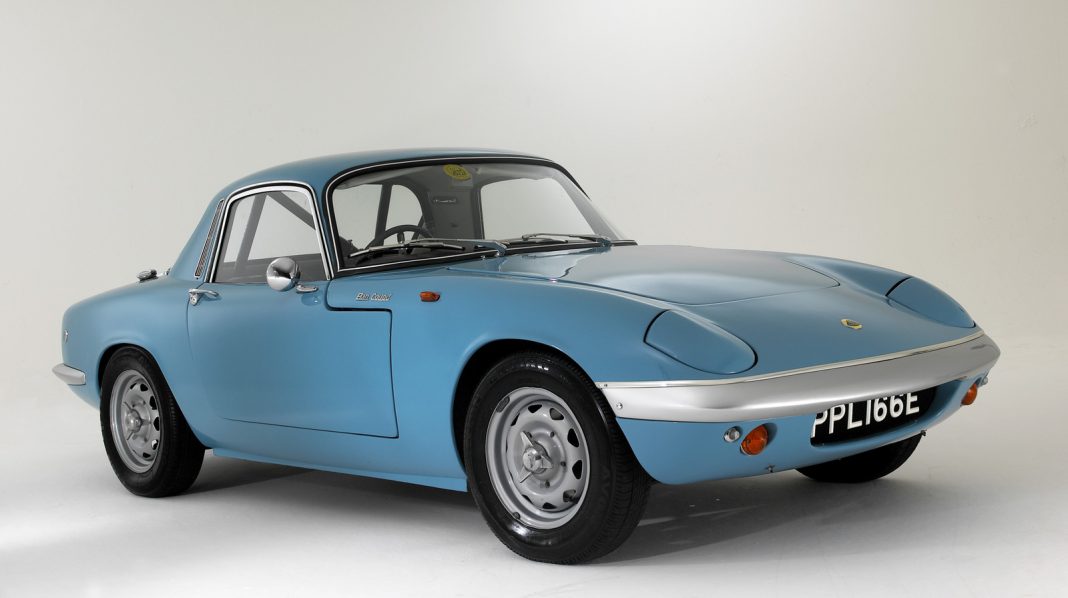
The Mazda Miata, or MX-5 as it’s known in many corners of the globe, stands as a modern icon. It’s the best-selling two-seat convertible sports car in history, celebrated for its pure driving joy, accessible performance, and unwavering reliability. But like all legends, its story isn’t purely original. Deep in its DNA, woven into its very spirit, is the blueprint of a groundbreaking British roadster that set the standard for lightweight exhilaration long before the Miata ever graced our roads.
The British Spark: Engineering Purity
Cast your mind back to the early 1960s, a time when cars were often heavy and unwieldy. Then, a revelation emerged from the workshops of Lotus: the Lotus Elan. Penned by the visionary Colin Chapman, a man whose mantra was “Simplify, then add lightness,” the Elan was a radical departure. It featured a revolutionary fiberglass body, incredibly light and strong, mounted on a steel backbone chassis. This wasn’t just a car; it was a driving philosophy made tangible.
The Elan wasn’t about raw power; it was about balance, responsiveness, and an intimate connection between driver and machine. Its small, peppy engine combined with a featherlight curb weight created a package that danced through corners with unparalleled agility. Drivers raved about its precise steering, communicative chassis, and the sheer, unadulterated pleasure of piloting it. It embodied the concept of “jinba ittai” – horse and rider as one – long before Mazda coined the phrase. This British roadster offered a driving experience so pure, so engaging, that it reset expectations for what a sports car could be.
Echoes Across the Pond: A Legacy Reimagined
Decades later, in the late 1980s, Mazda embarked on a mission to revive the spirit of the classic British roadster. They looked at the market, saw a void for an affordable, reliable, and utterly fun two-seater, and found their muse in the Lotus Elan. The Miata wasn’t designed to be a copy, but rather a spiritual successor, built upon the same fundamental principles that made the Elan a legend. Mazda engineers famously purchased and meticulously studied an Elan, dissecting its every curve and component to understand its magic.
The parallels are striking: a compact size, pop-up headlights (on the first generation), a minimalist, driver-focused cockpit, and a relentless pursuit of balance over brute force. Just like the Elan, the Miata wasn’t intimidating; it was inviting. It was a car that encouraged you to push its limits a little, to feel the road, and to enjoy every single gear change. While the Elan often struggled with Lotus’s infamous reliability quirks, Mazda brilliantly engineered the Miata to deliver the same exhilarating experience with bulletproof dependability. As one classic car enthusiast put it, “The Elan was pure genius, but often demanded genius-level patience. The Miata took that genius and made it accessible to everyone, without losing an ounce of its soul.“
A Heritage of Joy
The Lotus Elan, though perhaps lesser known to the casual observer today, is undoubtedly the soulful predecessor of the Mazda Miata. It laid down the fundamental principles of what makes a great lightweight roadster: direct steering, a balanced chassis, an eager engine, and a connection that transcends mere transportation. Mazda didn’t just build a car; they paid homage to a philosophy, reinterpreting it for a new era and a global audience. So, the next time you see a Miata zipping by with a grin on the driver’s face, remember the elegant British machine that first taught the world the true joy of simple, unadulterated driving.

