


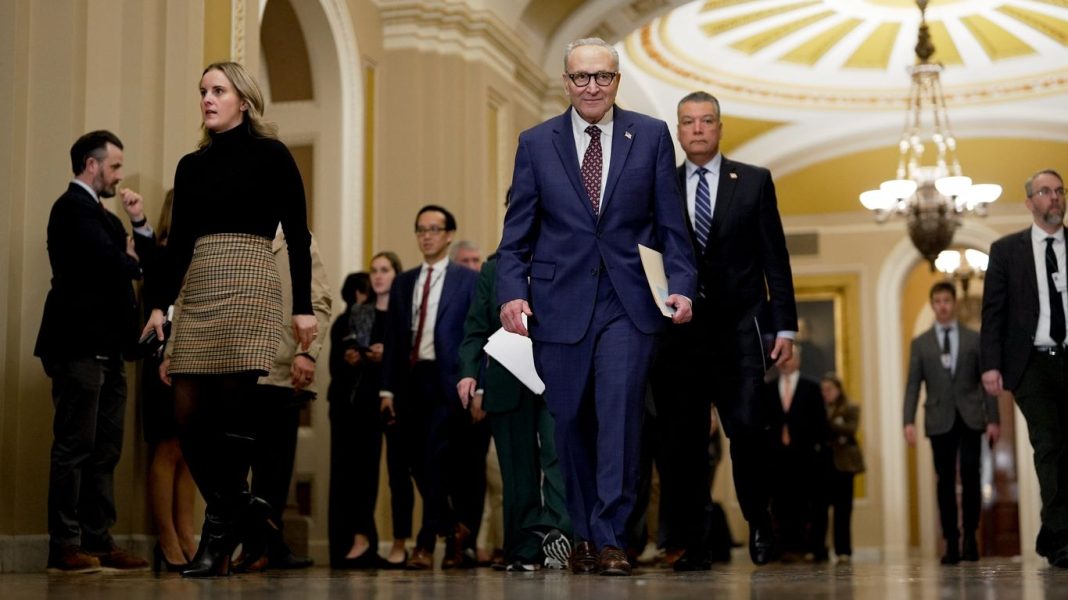
The rumblings of another potential government shutdown often dominate headlines, focusing on political battles and the immediate plight of federal employees. But beneath the surface of the Capitol Hill drama lies a sprawling network of private services that are inextricably linked to government functions. When the federal lights go out, it’s not just civil servants who feel the chill; a surprising array of private businesses, from tech startups to construction firms, find themselves on incredibly thin ice.
The Invisible Workforce: Government Contractors on Shaky Ground
Think of the government, and you might picture agencies and departments. But much of the actual work is performed by private companies operating on federal contracts. These contractors provide everything from IT support and cybersecurity to maintenance, research, and even cafeteria services. A shutdown means these contracts are often immediately paused or suspended, leading to an immediate halt in payments.
For the large corporations, it’s a significant hit, but for smaller and mid-sized contracting firms, it can be catastrophic. They still have payroll, rent, and other operational costs, but their primary revenue stream evaporates overnight. Employees, who are not federal workers, are often furloughed without pay or even laid off. “We’ve built our entire business model around serving federal agencies,” says Maria Rodriguez, CEO of a cybersecurity firm that works primarily with government clients. “When the government shuts down, our revenue stops, but our bills don’t. It forces us into impossible choices about our employees, who are just trying to support their families. It’s a terrifying uncertainty.” This ripple effect isn’t just a corporate balance sheet issue; it directly impacts thousands of private sector jobs and the local economies where these businesses operate.
Regulatory Bottlenecks: Halting Innovation and Growth
Beyond direct contractors, a vast ecosystem of private services depends on government agencies for approvals, permits, and oversight. Imagine a pharmaceutical company awaiting FDA approval for a new life-saving drug, or a construction firm needing an environmental permit from the EPA for a major infrastructure project. When key government functions cease, these crucial processes grind to a halt.
The consequences are far-reaching. New drugs can’t come to market, delaying patient access and costing companies millions in lost potential revenue. Construction projects stall, leading to significant delays, increased costs, and the temporary unemployment of private sector workers like engineers, architects, and laborers. Banks and financial institutions might struggle with loan approvals that require federal sign-offs. Even something as seemingly simple as getting a new business license or an export permit can become an insurmountable hurdle. This regulatory paralysis doesn’t just inconvenience; it actively stifles economic growth, halts innovation, and creates a climate of unpredictability that makes businesses hesitant to invest.
The interconnectedness of our economy means that a government shutdown is never an isolated event. It’s a tremor that sends shockwaves through countless private enterprises, impacting their ability to operate, innovate, and employ. From the tech firm keeping federal servers secure to the construction company waiting on a permit, these vital private services stand to be collateral damage, reminding us that government stability is not just a political ideal, but an economic necessity that underpins the livelihoods of millions beyond the beltway.

