


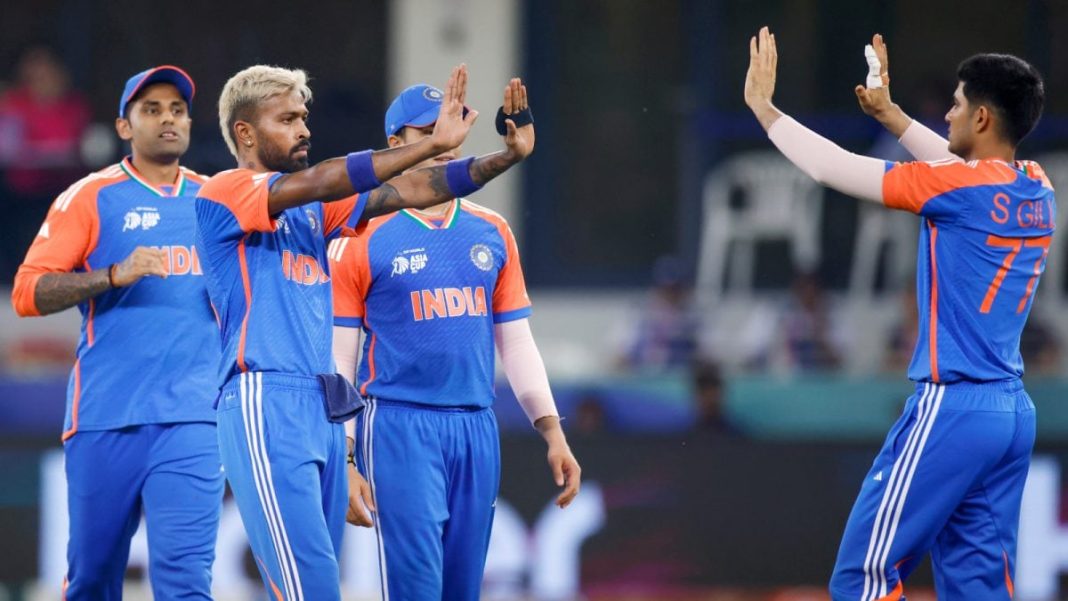
As the T20 World Cup looms on the horizon, India’s cricketing landscape is abuzz with discussions surrounding player fitness, form, and strategic management. At the heart of many of these conversations is Hardik Pandya, the dynamic all-rounder whose unique skill set is widely considered indispensable for the national team’s success in the shortest format. Recent warnings from seasoned cricketing minds like Gautam Gambhir and Ajit Agarkar underscore a critical concern: Hardik’s workload and its potential impact on his availability and performance.
The Irreplaceable All-Rounder: Hardik Pandya’s Unique Value
Hardik Pandya isn’t just a player; he’s a vital cog that balances India’s T20 machinery. His multifaceted abilities – explosive batting in the death overs, crucial medium-pace bowling in the middle, and exceptional fielding – make him a rare commodity in Indian cricket. He offers the captain flexibility, enabling the inclusion of an extra specialist bowler or batsman without compromising the team’s overall balance. When Hardik is fit and firing as a genuine all-rounder, bowling his full quota of four overs, he elevates the entire team’s dynamics.
His power-hitting prowess provides the much-needed impetus at the backend of an innings, often changing the momentum of a game in a handful of overs. Simultaneously, his ability to pick up vital wickets and contain runs in the middle overs provides relief to India’s frontline bowlers. The sheer lack of a like-for-like replacement in the domestic circuit further amplifies his importance. Without Hardik, the team management is often forced to compromise, either by extending the batting line-up with part-timers or by shortening the bowling resources, both of which can be detrimental in high-stakes tournaments like the T20 World Cup.
The Workload Conundrum: Warnings from Cricket Pundits
The conversation around Hardik’s workload isn’t new, but it has gained renewed urgency ahead of a major ICC event. Gautam Gambhir, a former India opener and T20 World Cup winner, minced no words in highlighting Pandya’s singular importance. “There’s no player like Hardik Pandya. There never was, and probably there never will be, in India,” Gambhir reportedly stated, emphasizing the need to manage him judiciously. His primary concern revolves around Hardik’s ability to bowl his full quota of overs, which has been inconsistent in recent years due to recurring injuries, particularly to his back.
Echoing similar sentiments, Ajit Agarkar, the chief selector, has also hinted at the critical nature of Hardik’s fitness. While not directly quoting Agarkar on the workload, the sentiment within the cricketing fraternity is clear: his availability as a full-fledged all-rounder is non-negotiable for India’s T20 World Cup aspirations. Hardik’s history with injuries is a stark reminder of the delicate balance required. The team management faces the challenge of keeping him match-fit without pushing him too hard and risking another setback that could derail India’s campaign.
Navigating the Road to the T20 World Cup: A Balancing Act
The road to the T20 World Cup presents a significant strategic challenge for the Board of Control for Cricket in India (BCCI) and the team management. With Hardik Pandya being such a crucial asset, his careful management becomes paramount. This isn’t merely about physical fitness; it also involves mental freshness and ensuring he peaks at the right time.
One potential strategy could involve selective participation in matches leading up to the World Cup, especially in less critical bilateral series. While Hardik is a prominent figure in the Indian Premier League (IPL) and leads his franchise, his international commitments will likely take precedence. Communication between the national team management and his IPL franchise will be crucial to monitor his training intensity and match workload. Regular fitness assessments, tailored rehabilitation programs, and perhaps even a controlled bowling regimen might be implemented to ensure he arrives at the World Cup 100% ready to contribute with both bat and ball.
The implications of Hardik not being able to bowl his full complement of overs are substantial. It would force a significant re-think of the team’s balance, potentially requiring an extra specialist bowler and consequently weakening the batting, or vice-versa. This kind of last-minute compromise could severely impact India’s tactical flexibility in a high-pressure tournament.
In conclusion, Hardik Pandya’s unique abilities make him an indispensable player for India in T20 cricket. The warnings from cricketing veterans like Gambhir and Agarkar are a timely reminder that his workload management is not just a preference, but a critical imperative. As the T20 World Cup approaches, ensuring Hardik Pandya is in prime physical condition, capable of delivering his all-round brilliance, will be one of the most vital strategic decisions for the Indian team’s quest for glory.

